
Tata Motors will increase prices on vehicles in its entire PV line-up (cars and SUVs) beginning from July 1, 2026 due to increased input costs, supply chain challenges and the need to maintain profitability while investing in new technologies and product development.
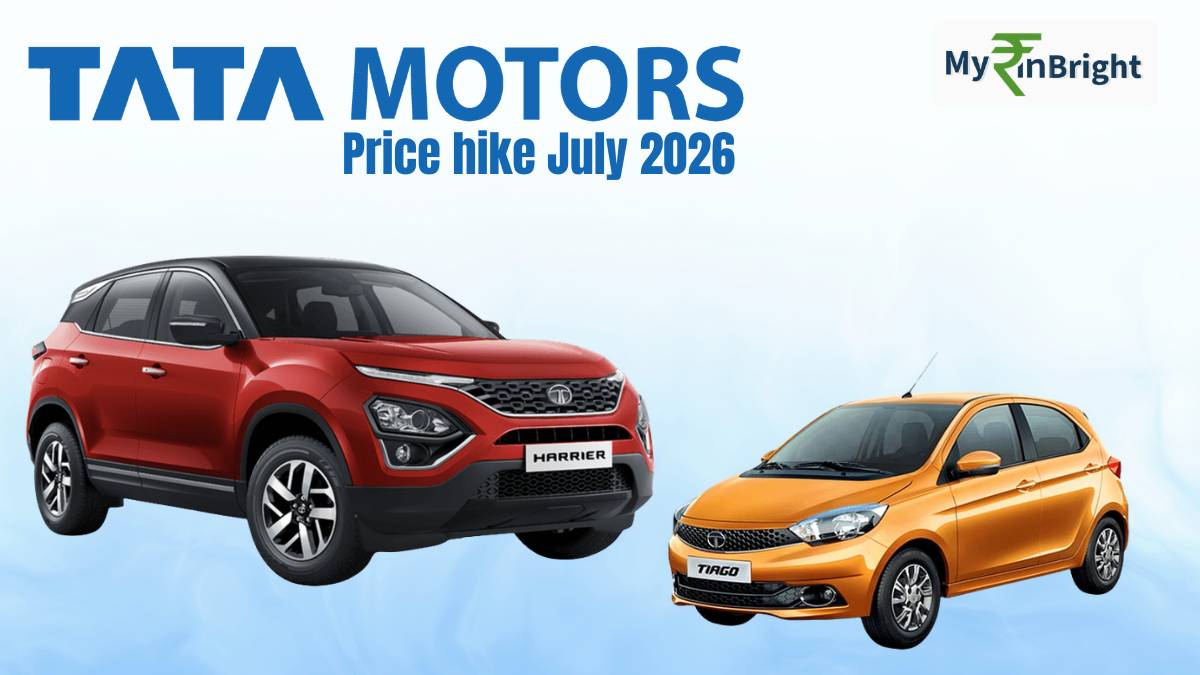
The price hike will apply to popular models like Tata Punch, Nexon, Harrier, Safari and Altroz. The company did not specify the percentage increase for each model but industry analysts expect it to be between 0.5 and 2% for each variant and segment.
Tata Motors said that the change was needed to offset the impact of higher commodity prices, increased logistics costs and regulatory compliance expenses. It said it’s taken a significant amount of the cost last year but now needs to pass on part of that to customers to maintain the operation.
Even with a price hike Tata Motors is still the product purveyor of value. Recently the automaker has announced new versions of the Nexon and Harrier with more advanced safety features and connected technology in its portfolio. Also it is building an electric vehicle (EV) offering (Nexon EV and Punch EV) in the Indian market.
Tata Motors’ strong brand identity and strong brand positioning and the overall growth in India’s passenger vehicle market are expected to keep the price hike in line with Tata Motors and its rise in India’s passenger vehicle market will be able to keep the demand as industry experts think the price hike won’t have a significant impact on demand. With more disposable incomes and a growing interest in SUVs, Tata Motors will be able to maintain its sales momentum even with the price hike.
Tata Motors’ decision to hike car and SUV prices from July 1 reflects broader industry trends of rising costs and evolving consumer demand. The price of cars and SUVs may be slightly higher but the company’s focus on innovation and safety and expansion of the EV will keep the product lines at the same time in terms of value for customers will continue to drive the company’s products at the same time.





Comments
Please to leave a comment on this article.