
In another move to enhance road safety and comply with motor insurance laws, the Supreme Court of India has recommended that fuel supply to vehicles for which third-party insurance is invalid be limited. It was made in the context of road safety and compensation for victims of accidents, and it has been expressed that the number of uninsured vehicles on Indian roads is high.
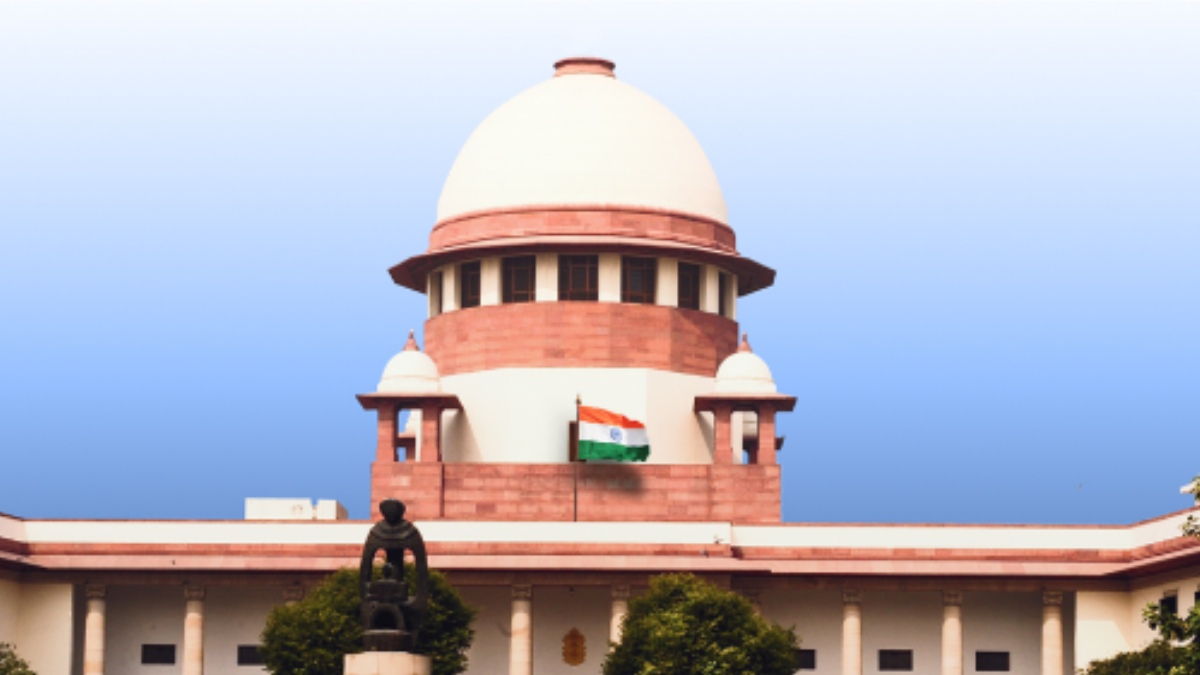
Third-party motor insurance is compulsory under the Motor Vehicles Act, since it provides insurance for victims of road accidents caused by insured vehicles. But a lot of vehicles are still driving illegally on roads without insurance coverage and leave victims of a collision vulnerable, and it is costly to get compensation.
The Supreme Court said that stronger enforcement measures may be needed to ensure compliance with the law. One of the ideas was to tie fuel purchases to insurance status, so that vehicles without valid third-party insurance could be prevented from accessing fuel until they comply with the legal requirement.
Although the proposal is still under discussion and no final direction has been given, this observation has generated a national debate among policymakers, transport authorities, insurance companies, and owners of vehicles.
Why is Third-party insurance mandatory?
Third-party insurance is one of the most important legal requirements for every motor vehicle owner in India. Unlike comprehensive insurance, which also covers damage to the owner’s own vehicle, third-party insurance primarily protects individuals who suffer losses due to an accident involving the insured vehicle.
In cases of injury, disability, death, or property damage, compensation is usually awarded through Motor Accident Claims Tribunals (MACTs). The compensation can be difficult and protracted if the offending vehicle lacks valid insurance, and the victims and their families can suffer.
The Supreme Court has repeatedly emphasized that mandatory insurance is not merely a regulatory requirement but a critical social protection mechanism designed to safeguard innocent road users.
Concerns Over Uninsured Vehicles
Authorities have frequently highlighted the growing challenge posed by uninsured vehicles across the country. Digital insurance systems, online renewals, and awareness campaigns are not enough for many owners to be able to renew their policies after they expire, even if there are digital insurance systems and online reminders.
Many of these factors are considered to contribute to low compliance, including lack of awareness, intentional non-renewal in order to save money, and not enough enforcement to carry out routine traffic checks.
The presence of uninsured vehicles increases the cost of compensation for compensation systems and may delay justice for accident victims.
How fuel restrictions could work?
The proposal before the Supreme Court would be to integrate insurance databases with fuel stations or other verification mechanisms. Vehicles without active third-party insurance could be denied fuel until valid insurance coverage is restored.
Supporters say that such a mechanism could be very effective and could lead to dramatically higher compliance rates because access to fuel is key for vehicle operation.
But experts also emphasize that such a system would require extensive technological integration between insurance companies, transport departments, fuel retailers, and government databases.
Possible Challenges
But it has also raised practical and legal issues, and the proposal has been backed by road safety advocates.
Transport experts say real-time verification systems would be necessary to validate insurance status at fuel stations. Any technical issues or old records may inconvenience genuine vehicle owners.
There are also concerns about rural areas where internet connectivity and digital infrastructure may not always be reliable. There would need to be effective grievance redressal mechanisms to address incorrect denials of fuel.
Legal experts say that any such policy would be subject to detailed regulatory rules and coordination between government agencies prior to implementation.
Potential Benefits
Experts in road safety believe that stronger enforcement would help significantly reduce the number of uninsured vehicles on Indian roads.
Improved compliance would also provide better access to compensation for accident victims and increase overall insurance coverage in the transport sector.
Insurance industry representatives have also suggested that higher compliance could improve financial stability within the motor insurance ecosystem while encouraging more responsible vehicle ownership.
Digital Enforcement Gains Momentum
Digital governance in transport administration is increasingly being adopted in India through online vehicle registration systems, electronic driving licenses, FASTag integration, and digital insurance verification.
The connection between fuel supply and insurance status is in line with the trend for technology-based compliance mechanisms to improve efficiency and reduce regulatory violations.
No Final Order Yet
It should be noted that the Supreme Court has only proposed the idea in a case. The suggestion does not currently constitute a binding direction, and no nationwide restriction on fuel supply for uninsured vehicles has been imposed.
Any future policy would probably require consultation with the Union Government, state governments, insurance regulators, petroleum companies, and transport authorities before being formally implemented.
The Supreme Court’s decision brought home again the need for mandatory third-party motor insurance and stronger enforcement mechanisms. With India’s road safety issues still at the forefront and timely compensation for accident victims, innovative policy measures will be considered.
When fuel restrictions will be part of India's road safety policy remains to be seen. The discussion serves as a reminder for vehicle owners to verify third-party insurance, not only to comply with the law but to protect themselves and others in case of an accident.




Comments
Please to leave a comment on this article.