
Sohan Enterprises has been under the microscope of GST authorities over a ₹90.25 crore fake invoice fraud that came to light as part of the government’s ongoing crackdown on tax evasion and fraudulent input tax credit (ITC) claims. The investigation is on the issue of non-supply of goods or services and if true, then the public will suffer a huge hit.
The investigation started after GST compliance officers detected suspicious transactions and irregularities during routine GST compliance checks, officials said. The firm may have made fake tax invoices of ₹90.25 crore which allowed for false input tax credit claims by various entities, they said.
The GST department has intensified efforts in recent years to identify shell companies and businesses that may be issuing bogus invoices. The tax credits, so long as they come from legitimate business transactions, will be lost for the government as well as inefficiency.
Bank records, GST returns, bank transactions and supporting documentation are being examined as part of the investigation to find out the extent of the alleged fraud, the government said. The authorities are also looking at whether other entities were connected to the suspected invoice network and whether other companies benefited from the transactions.
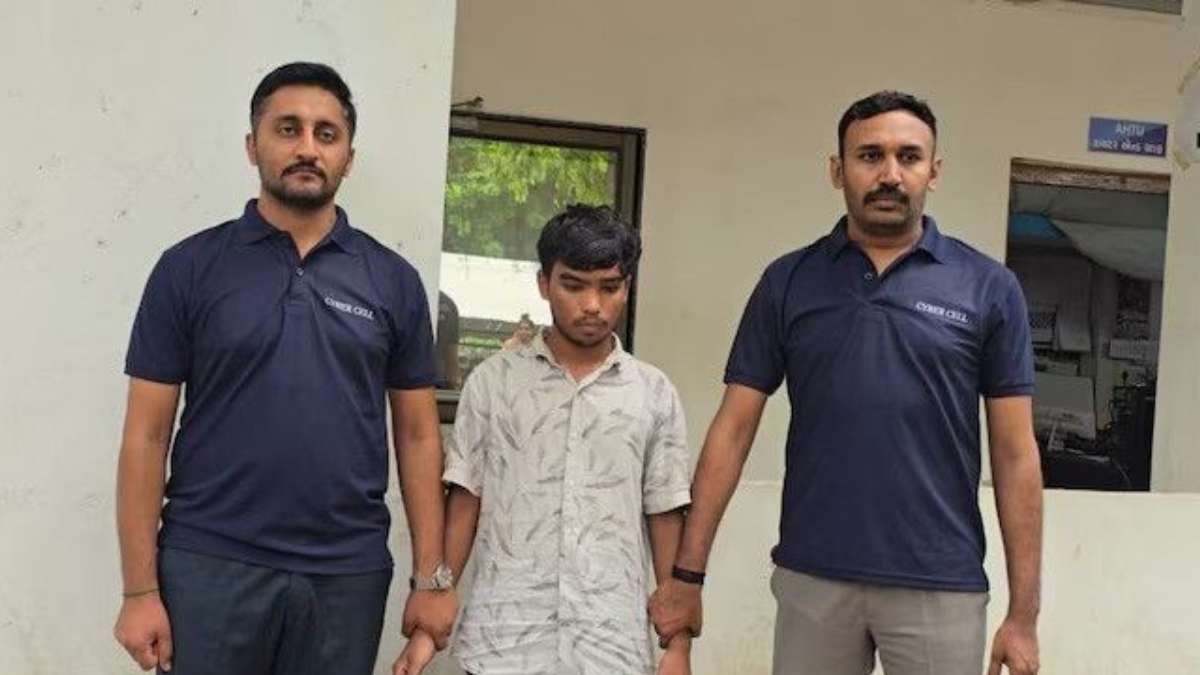
It is confirmed that enforcement teams have done verification exercises and are seeking digital and documentary evidence. The company and individuals involved might also be subject to a penalty from the Central Goods and Services Tax (CGST) Act as well as the tax dues, fines as well as prosecution, if the investigation turns out to be accurate.
The case is indicative of the government’s continuing focus on GST compliance through data analytics and technology-based monitoring. Artificial intelligence and invoice matching systems and risk assessment have come to be used to identify suspicious transactions and to stop tax evasion by tax authorities, the government said.
And not only is there revenue loss for fake invoice fraud but it also leaves a disparity in the playing field for businesses that comply with tax regulations. Before any business is involved in GST transactions and/or if a company is to be able to accept it from suppliers and it is necessary to use a GST invoice, they say, they would need to verify that the GST invoices are a part of genuine business transactions to receive payment for goods and services with a genuine invoice.
At this point in time the investigation is not closed and the allegations are being investigated by the authorities. There are no final results and what happens will be determined by the evidence collected in the course of the investigation.
The case is just one more reminder of a GST compliant and transparent business practice to be followed up on. Companies should keep track of all records, verify trading partners and comply with tax laws in order to avoid legal problems as the enforcement agencies continue their investigation into tax fraud across the country.




Comments
Please to leave a comment on this article.