
Shell has seen a big increase in profits since 2015, thanks to strong trading and refining operations in the oil trading and refining businesses to offset tough market conditions. The results show that the company is able to adapt to fluctuations in international energy markets and still earn a robust profit with a diversified portfolio of businesses.
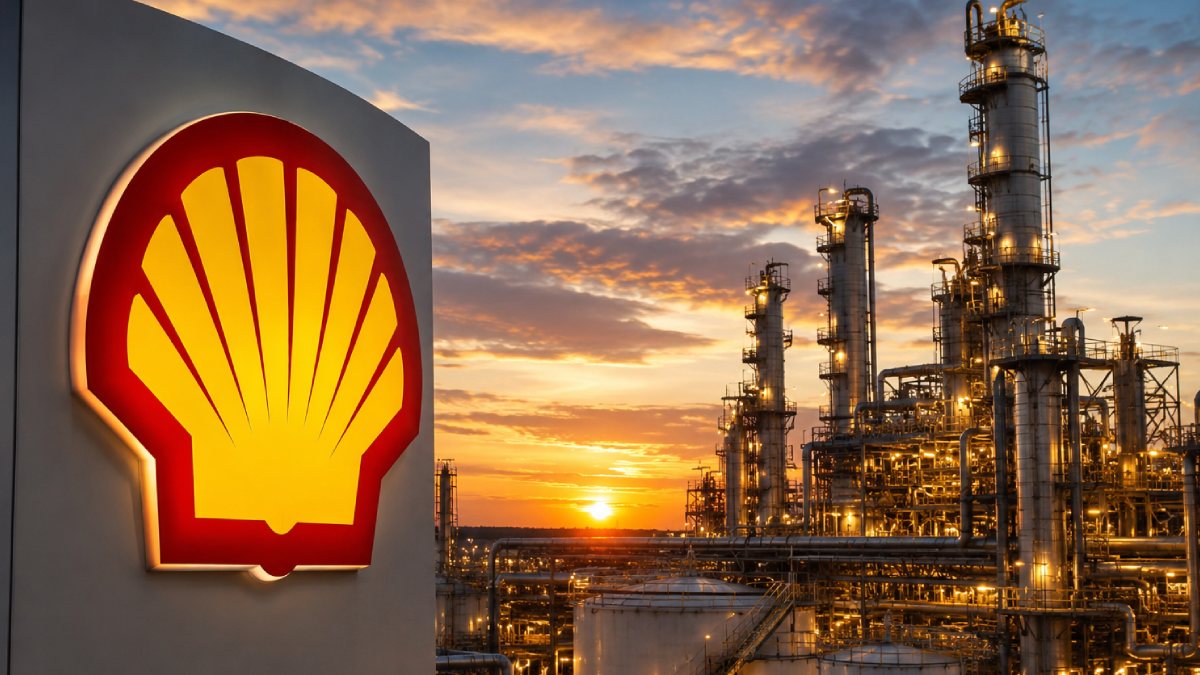
These results are the result of the world’s energy sector being in a volatile state of affairs with oil prices fluctuating, demand for fuel changing and the world moving toward cleaner energy. But Shell's multichannel business model has made it able to generate strong earnings from several segments - especially commodity trading and downstream refining.
The company’s global oil trading division is one of the biggest contributors to the company’s improved profitability. Shell is one of the world’s largest energy traders, trading crude oil, refined fuels, natural gas and other energy products globally.
Trading operations experienced when the price is volatile are often more susceptible to market fluctuations, allowing companies to optimize their supply chains and make the best of trading opportunities.
The refining segment was also a big part of the earnings growth. Refining margins because of strong demand for transportation fuels (diesel, aviation fuel and gasoline) led to better profitability. Refining companies have benefited from the continued global demand especially regions with high economic growth and more travel activities.
Shell’s diversified business portfolio provides stability even in the face of difficulties in one area. LNG, chemicals, renewable energy, hydrogen, electric vehicle charging infrastructure, low-carbon solutions and more are still in service of Shell in oil trading and refining. This is the balance between managing commodity prices and preparing for a future transition to clean energy in the long run.
Company management also cited disciplined capital allocation, operational efficiency and sound asset performance as factors in the latest results. Shell is still focused on cost control and looking at projects that yield good returns. They also have a shareholder-friendly dividend and share buyback program as well as have been shareholder-focused and they’ve continued to keep the company’s focus on dividends and buybacks to reassure investors.
The good earnings are despite increasing competition in the global energy industry. Nowadays, major international oil companies have to juggle investment in conventional fossil fuels but also growing renewable energy resources in global energy production.
Oil and gas are still a major source of global energy, but at the same time big oil companies are investing in carbon reduction technologies, sustainable fuels, offshore wind, solar energy and carbon capture projects.
Industry analysts say oil price volatility is still one of the biggest challenges facing global energy companies. Geostrategic conflicts, production decisions of the biggest oil producers, economic growth trends and changing fuel consumption patterns all affect energy prices. Bigger organizations with a big trading base and integrated supply chains like Shell are better able to manage these fluctuations than smaller firms that only produce oil.
Refining operations have also been profitable thanks to relatively strong demand for petroleum products. As international travel is recovering and industrial activity is steady in many regions, demand for aviation fuel, diesel and petrochemical feedstocks has supported refinery utilization rates. So integrated energy companies are able to maintain stable downstream earnings even in commodity price and supply uncertainty.
At the same time, Shell is continuing its energy transition strategy. It has said that it is investing in low-carbon technology and reliable supplies of oil and natural gas in order to meet global energy needs.
The company has emphasized energy security and emissions reduction via an integration of traditional energy and investment in renewable and cleaner alternatives.
That was not lost on financial markets, with investors who viewed Shell's performance as a measure of operational resilience against the odds and the profit increase as evidence of Shell's ability to stay on track. Strong cash flow generation also frees up cash flow to invest in its conventional and new energy businesses for investment in the future.
Shell will continue to be a global energy market player and it is expected that its trading system will never be static– it will always be a dynamic game with economic trends underway, geopolitical developments, climate policy changes and consumer demand.
Shell’s results demonstrate how integrated energy companies can leverage diversified operations to navigate market uncertainty well. Shell is well-positioned to achieve value for shareholders and grow at the same time as it is not only in the oil trading game and profitable refining, but also in the oil industry, with a strong financial position (in terms of return on investment in a cleaner energy field) and to stay ahead of the changing climate in the global energy market.





Comments
Please to leave a comment on this article.