
The key indices in India's stock market fell sharply on Friday as the BSE Sensex was down more than 400 points on the day and Nifty 50 on the day of the opening; and stocks in the world market sentiment on the one hand fell as the global stock market sentiment and on the other hand crude oil prices rose.
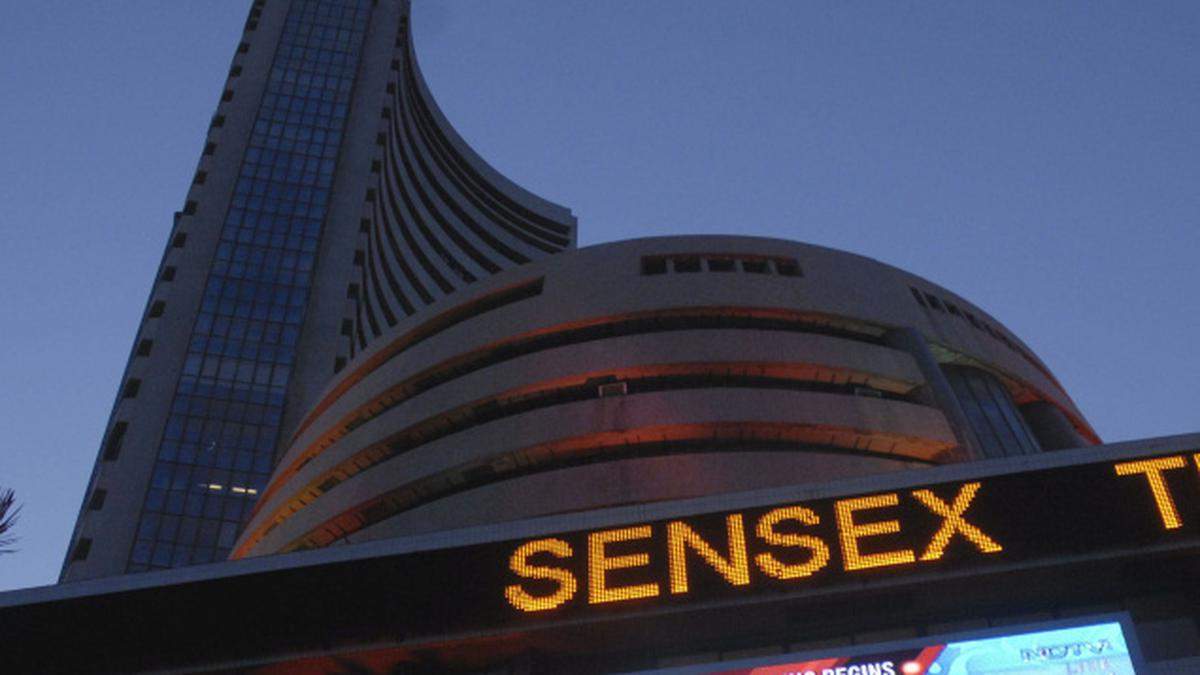
The cautious start followed negative cues from the market and investors sold off in response and took a risk-off approach to global markets. Global economic growth concerns, geopolitical uncertainty and oil prices on oil prices raised concerns for global markets and global stock markets led to widespread selling in many markets in the early morning trading sessions.
The key driver of market sentiment was the sharp rise in crude oil prices. Brent crude rose to $83.48 per barrel, while WTI (West Texas Intermediate) crude added 85 cents to $78.84 per barrel. Higher crude prices on the other hand have been seen as bad news for India, which is one of the world’s largest crude oil importers, as it will raise import costs, widen the current account deficit and increase inflation.
The declines of the most important indices were led by selling in information technology, financial services, auto and metals sectors. Investors also kept watch over the domestic and global economic trend which would affect the market direction in the next few weeks.
The weakness in global stock market as well as the rise in the value of global stock markets and the rise in oil prices has led traders to book profits after the market’s recent gains, market players say, and market players are taking profits because of strong stock market sentiment is still weak in terms of their investment on the back of the weakening stock market. FII sentiment will also be a big concern of the market and foreign institutional investor (FII) participation, currency market, currency movement, and commodity market sentiment will be the key influences on the near term.
Despite the poor start to the day, analysts have a positive view on Indian equities and the long term prospects for Indian stocks are still good given that domestic market sentiments are not changed and the domestic fundamentals are still robust, corporate earnings are strong, and retail investors are still around the table. However, short-term volatility could remain as investors monitor global developments, inflation and inflation expectations, central bank policy expectations and geopolitical events.
Climbing crude oil prices are especially relevant to aviation, paints, chemicals, logistics and oil marketing companies in particular which have higher input costs, which may affect profit margins. But upstream energy companies may also benefit from higher prices - depending on prices at the time and global demand.
Investors are also closely watching the movement of Indian rupee against the U.S. dollar as currency fluctuations can further influence import costs and foreign investment flows. If the rupee falls further and crude prices remain high, then the market will be in a very volatile state as well.
As trading proceeds, market participants will be watching for global cues, institutional buying activity, commodity prices and corporate developments for further direction. While there was a sense of cautious sentiment in the opening session, long-term investors must not buy what you see and sell what you see and not what you see.






Comments
Please to leave a comment on this article.