
India’s bike-taxi market is now increasingly a three-way battle between Rapido, Uber and Ola, but one company has emerged victorious. Rapido is estimated to control about 61% of India’s bike-taxi market and is the dominant player in the fast-growing two-wheeler ride-hailing space.
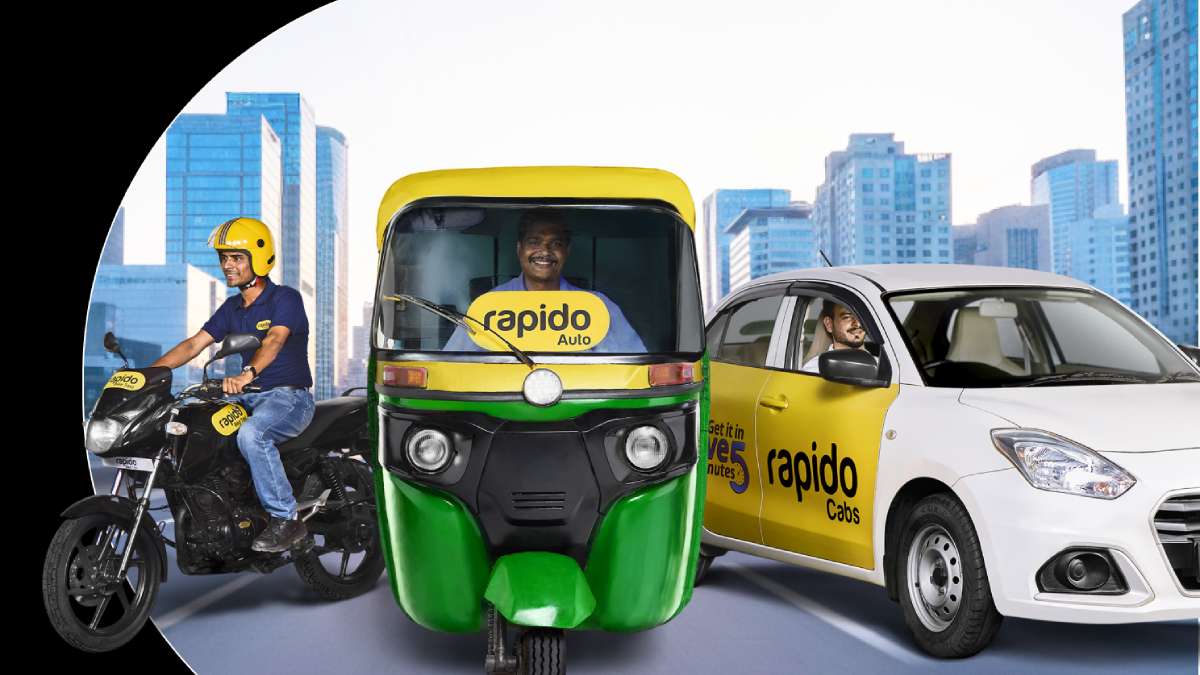
The Bengaluru-based mobility platform has also expanded beyond bike taxis into autos and cabs, helping it become one of India’s largest ride-hailing platforms overall.
Rapido leads the bike taxi race
In 2026, Rapido was estimated to have about 61% of the bike taxi market share, versus competitors.
Uber Bike is considered the next major player, with Ola Bike still a long way behind.
Rapido’s earlier focus on affordable two-wheeler transportation helped it build a large driver and customer network. Its subscription-based approach for drivers has also been credited with helping the company compete aggressively on pricing.
The competitive landscape is now changing rapidly. Uber recently expanded its bike-taxi service to 100 more Indian cities and now has more than 220 cities to offer it. It shows that two-wheeler mobility is increasingly important to the ride-hailing business in India.
Rapido has 82 million monthly active users
Rapido's advantage is not only bike taxis. Rapido is not limited to bike taxis.
According to Sensor Tower data cited by Mint, Rapido attracted around 82 million monthly active users between March and May 2026, up 67% year-on-year. That compared with:
Platform Average Monthly Active Users Rapido 82 million Uber 39 million Ola 27 million
The figures for the app monthly users are not only for bike-taxi users. This is important because Rapido now offers a variety of mobility services.
Earlier Sensor Tower data for January-February also showed Rapido ahead, with about 73.96 million monthly active users versus 39.05 million for Uber and 28.15 million for Ola.
Rapido also leads overall ride volumes
Rapido has expanded to the ride-hailing market as well.
In March 2026, Rapido had around 6.5 million rides per day, compared to 3.7 million for Uber and 1.5 million for Ola.
Rapido co-founder Aravind Sanka also said in June that the company had captured 35–40% of India's overall cab-ride market, demonstrating how quickly the company has moved beyond its original bike-taxi business.
Why is Rapido growing so quickly?
There have been several reasons why Rapido has expanded:
Affordable bike-taxi fares Strong presence in Tier-II and Tier-III cities Large driver network Subscription-based driver model Increasing demand for low-cost urban transportation Expansion into autos and cab services Shorter travel times through two-wheelers
The company has turned itself from being a bike-taxi company to a whole mobility platform.
Uber is fighting back
Uber is responding aggressively. Its recent expansion into 100 more cities shows that the company is seeing huge potential for growth in India’s two-wheeler mobility market.
This could make competition more intense, particularly in smaller cities where bike taxis can provide an affordable alternative to traditional cabs.
Ola, meanwhile, continues to be an important player, but it has been losing user engagement. Sensor Tower data showed Ola's monthly active users at around 27 million during March-May 2026, much lower than Rapido's 82 million.
The bigger picture
Rapido has changed the landscape in India's ride-hailing industry. The startup started as a bike-taxi app but has now far surpassed the established competitors in a number of key metrics of usage.
With a 61% estimated bike-taxi market share, 82 million average monthly active users and roughly 6.5 million daily rides, Rapido has emerged as a formidable force in Indian mobility.
But the 61% bike-taxi market-share figure should be considered an industry estimate and not a regulator-published market statistic. The more independently reported Sensor Tower figures provide more evidence that Rapido's overall user lead is stronger.
If Uber continues to expand its bike-taxi network and Ola tries to regain market share, India’s affordable mobility market could become even more competitive over 2026 and beyond.






Comments
Please to leave a comment on this article.