
A huge breakthrough was made in the investigation of a ₹6.30 lakh Facebook gift scam in Gujarat’s Rajkot district with a Delhi-based man arrested for leading the operation. It started after a farmer from Jasdan Taluka was deceived on the basis of receiving a valuable gift from somebody he had come in touch with on Facebook.
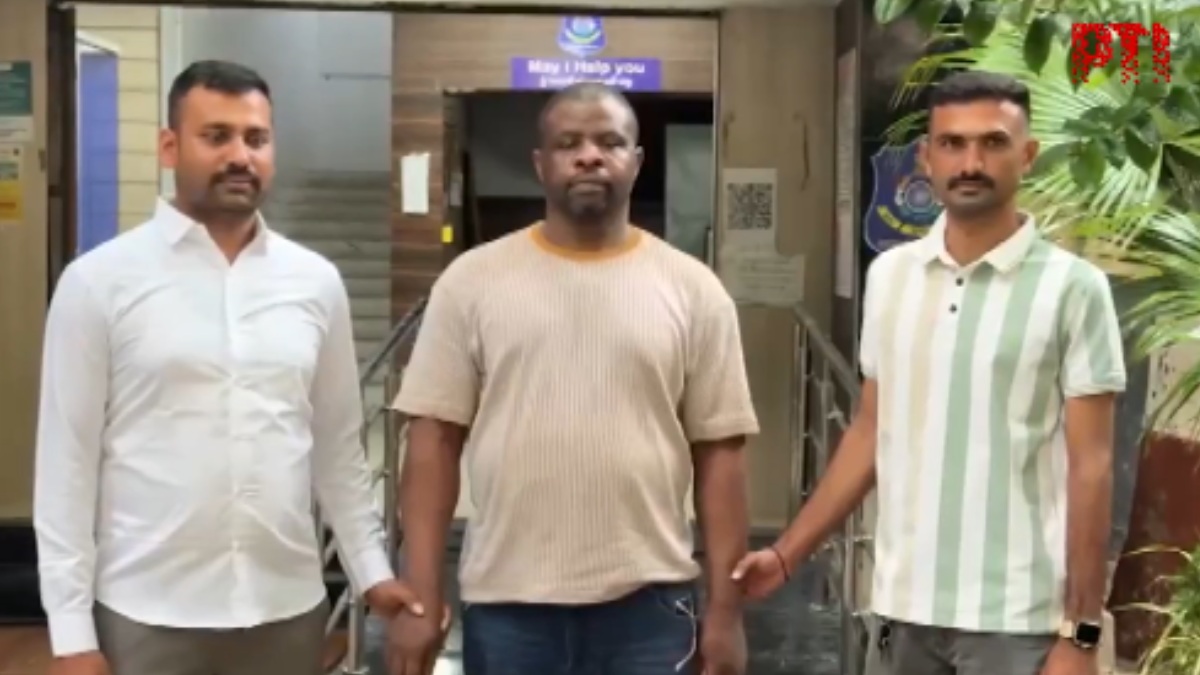
As Rajkot District Superintendent of Police Vijay Singh Gurjar told Rajkot District Superintendent of Police Vijay Singh Gurjar, investigators have made significant progress since the arrest.
Police investigation of the accused has also uncovered information about six other people who may have been targeted through similar means, he said. The investigation also looks into links to as many as 15 bank accounts as well, raising the possibility that the fraud network could be larger than initially thought by investigators.
The case underscores rising risks of social media-based fraud, i.e., fraudsters develop relationships with victims online before attempting to get them to pay money. Facebook and other social platforms are also the preferred venues fraudsters use to recruit victims to trust them, build trust and eventually induce a financial demand.
In the Rajkot case, the farmer was contacted via Facebook and was led to think he would receive a gift. Such scams tend to start with innocent, harmless online chats. The fraudsters may introduce themselves as friends, acquaintances and/or local contacts and claim that they have sent a package containing expensive items to their victim.
The situation can escalate when the victim is told by customs, airport authorities, courier officials or another agency that the package has been held. Fraudsters may demand payments in the name of taxes, customs charges, processing fees, clearance charges or other expenses. When the victim transfers money, more demands can follow.
The alleged ₹6.30 lakh loss in Rajkot is an example of how quickly such a lie can be costly. What might be an unexpected opportunity to receive a valuable gift can result in a huge loss if the victim is always persuaded to pay again.
The Delhi-based accused was arrested as police thought he wasn’t just an individual, but was essentially in charge of the operation, and they believe his role was very large. But detectives are still trying to determine the full extent of his connection and see if there are more people who may have helped with contacting victims, collecting money or even opening bank accounts.
The discovery of six other alleged victims could bring important clues to the suspected network. Police can then compare the circumstances of each case to see if telephone numbers, social media accounts, bank accounts or payment methods were used, and whether there was a commonality of phone numbers, social media profiles, or even money-transfer methods, the report said.
The investigation into 15 bank accounts is also a part of the case. Cyber fraud operations often rely on multiple accounts to receive and move money. Transaction records might help investigators to find out where money came from and where it went on to be sent.
Bank accounts connected to cybercrime might also be evidence of the size and duration of an alleged fraud. Analyzing the transaction patterns, investigators can look for multiple deposits from different victims and transfers to other accounts. That may allow investigators to determine if an account was used for a single incident or for a larger operation.
It’s also a lesson in being cognizant when talking to unknown people online. Social media platforms allow people to communicate across borders but users may not always know who is actually the one who is operating the account. A person who is presenting themselves as someone with the name of a foreign friend or business contact or potential friend may not be who they say they are.
The gift scam is the easiest to use as it is when criminals take advantage of curiosity and excitement: a big package or an unexpected gift can make victims forget the warning signs. Fraudsters can also claim that the package will be returned or even destroyed if a payment can’t be made in time.
Cybersecurity experts and law-enforcement agencies generally advise people not to transfer money simply because someone online says they have a parcel or gift waiting for them. Genuine customs or courier-related payments should be verified through official channels and not through some unverified person's contact information provided.
A very important warning sign is repeated payments. A fraudster may first ask for a relatively small amount and then introduce another charge after receiving the first payment. Victims may get trapped in the process because they believe that one more payment will bring the promised gift out.
The Rajkot investigation also shows that victims need to report suspected cyber fraud as quickly as possible. Early reporting can allow the authorities to trace transactions, contact financial institutions and investigate accounts through which money may have been transferred. Delays in recovery will make recovery of funds more difficult if money is transferred from one account to another.
For the farmer from Jasdan, the alleged fraud resulted in a big financial loss. Now a police investigation is going to be done not only to establish responsibility for the incident but also to see whether the accused and any of his associates were involved in similar cases.
The involvement of a Delhi-based suspect in a case registered in Gujarat also illustrates the interstate nature of many online fraud investigations. Digital communication and banking systems allow cybercriminal networks to operate across state boundaries, meaning local police may have to coordinate with authorities in other regions during an investigation.
The six additional victims could broaden the scope of the case. Investigators are likely to examine whether the alleged victims were approached using similar Facebook profiles, messages or promises. If patterns were found, police could link the cases in a different way that might have appeared unrelated.
The 15 bank accounts will also be a big part of the equation. Investigators would want to know who held the accounts, how money moved between them and whether other people were involved in handling the alleged proceeds.
At the same time, the allegations against the arrested individual will have to be established through the investigation and legal process. An arrest does not by itself establish guilt, and the accused is entitled to due process under the law.
The case is a good example of how cybercrime is more than just hacking. Social engineering, fake identities and emotional manipulation are just as effective tools for criminals. In most cases, the victim will go through the pain of moving money voluntarily because he or she believes they are being told that the payment is necessary.
People who use Facebook and other social media should not give sensitive financial information to strangers and should never send money just because someone says they are bringing a gift, prize or valuable parcel.
VIDEO | Rajkot, Gujarat: Under the ongoing investigation into a Rs 6.30 lakh Facebook gift scam targeting a farmer in Jasdan taluka, police have arrested the African woman’s ex-boyfriend from Delhi, who allegedly masterminded the operation. His interrogation has revealed six… pic.twitter.com/UW5IIPJjRH
— Press Trust of India (@PTI_News) August 13, 2026
All claims involving customs fees, courier charges or government payments should always be independently verified. The ongoing investigation of Rajkot police into the alleged ₹6.30 lakh Facebook gift scam could bring in more people that have been identified and 15 bank accounts examined. It can also point to whether any fraud is being conducted elsewhere.
The case highlights a really simple but crucial cyber-safety lesson: An unexpected online gift will never be a reason to make big payments to strangers. A cautious approach, independent verification and early reporting of suspicious transactions will prevent online deception (and hence a big loss of money) from becoming quite a big problem.






Comments
Please to leave a comment on this article.