
The rapid adoption of artificial intelligence (AI) could present very difficult challenges for India's information technology workforce, according to Rajesh Nambiar, highlighting the need for employees and companies to prepare for a major transformation in the nature of technology jobs.
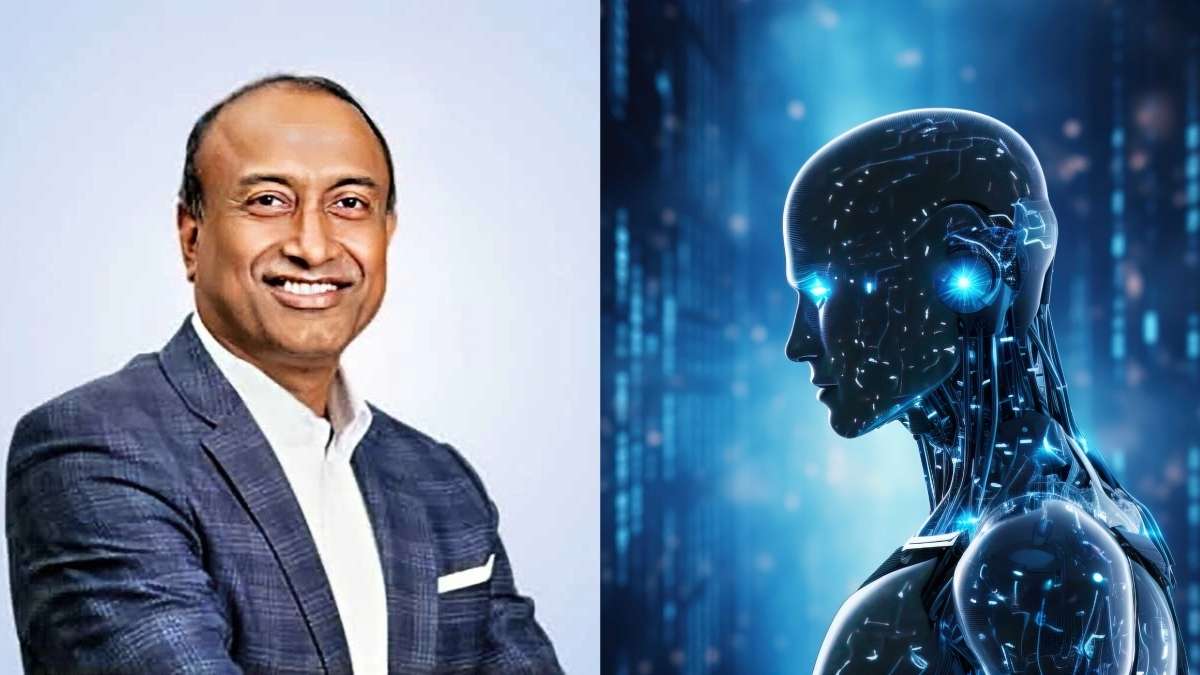
India’s IT industry has long been one of the country’s biggest employment generators, with millions of professionals in software development, IT services, business process management and technology consulting. But the rapid development of generative AI and automation is changing how companies approach software development and other technology-driven tasks.
The concern is not that AI will eliminate every IT job, but rather that some traditional roles may be under increasing pressure as companies automate repetitive and predictable duties. Basic coding, software testing, data processing, documentation and some customer-support tasks might now be done by AI tools more easily.
This could affect entry-level technology jobs especially. For years, the IT services industry in India has relied on huge numbers of graduates, who typically start their careers with relatively standardized technology and business processes. Now if AI systems could handle some of these tasks faster and at less cost, companies would have fewer people to do some of that work.
AI also creates new job opportunities. Demand for AI-related professionals may increase for those with knowledge in AI engineering, machine learning, cybersecurity, cloud computing, data science, AI governance and advanced software development. And those who are able to work effectively with AI tools will have an edge in the job market.
For India’s IT workforce, reskilling and upskilling may be more important. Professionals may need to move beyond routine technical tasks and develop skills that are harder to automate, like problem-solving, creativity, business understanding, communication and strategic thinking.
The change in the way Indian IT companies compete globally could also alter that. India’s traditional advantage has been its large pool of relatively inexpensive technology talent. If AI helps companies to work more efficiently with smaller teams then the industry will become more dependent on quality, innovation and specialized expertise than workforce size alone.
But the transition is not going to be instant. That’s why so many IT companies are investing heavily in AI but also having to train people and integrate AI into existing services. The impact will vary significantly across roles, companies and technology segments.
For young Indians considering careers in IT, the message is increasingly clear: learning AI should be part of technology education and not as a separate specialization. And understanding how AI tools work and how they can be applied to real business problems could be a key career skill.
India’s IT sector has successfully adapted to several technology shifts in the last few decades. The AI revolution could be another major transformation— one that reduces demand for some traditional roles while creating entirely new categories of work.






Comments
Please to leave a comment on this article.