
Petronet LNG Ltd., the biggest LNG importer in India, came under pressure on Wednesday on news that QatarEnergy will extend force majeure on LNG shipments until mid-October. This triggered fears of supply shortages, and investors sold off the company shares.
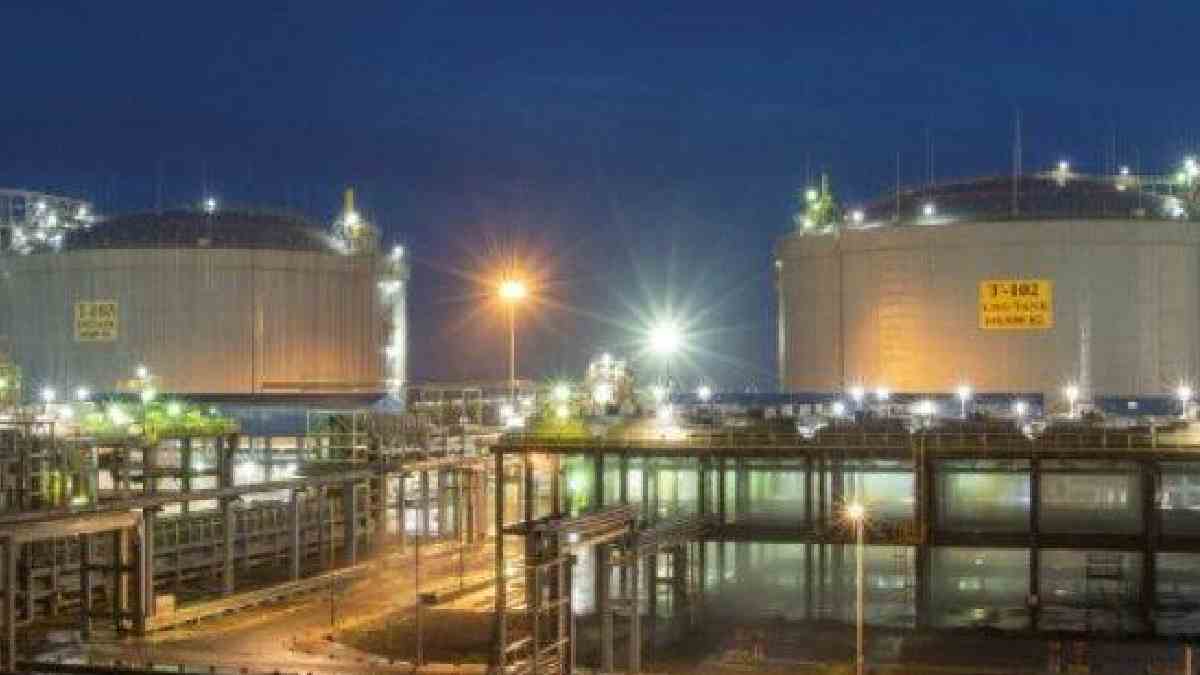
Petronet LNG shares fell as much as 4.40% in morning trade on NSE on Thursday. At 3 p.m., the stock was down 3.70% at ₹269.30.
What is Force Majeure?
Force majeure is a contractual condition that allows one or both parties to temporarily cancel or delay a contract when extraordinary events beyond their control keep them from fulfilling the contract.
Such events may include:
Natural disasters
Wars or armed conflicts
Political unrest
Government restrictions
Major industrial accidents
Severe disruptions to supply chains.
In the LNG industry, force majeure could disrupt cargo deliveries and thus the supply commitments between exporters and importers.
Why Investors Reacted
The report that QatarEnergy might extend force majeure through mid-October raised concerns about the continuation of LNG supplies to global buyers such as India. However, while there was no immediate effect on Petronet LNG’s operations, investors were not impressed because the company is the one importing LNG to meet India’s surging energy demand.
Market participants are worried that if longer-term supply uncertainty continues to linger, there could be:
Increased LNG procurement costs.
Tightened global gas supplies.
Impact import schedules.
Create volatility in energy markets.
Share Price Performance
Petronet LNG experienced sharp selling pressure after the reports.
Market Snapshot
Intraday decline: Up to 4.40%.
Price at 3:12 pm: ₹269.30.
Loss at that time: 3.70%.
The stock recovered some of its losses during afternoon trade but remained under pressure.
What is the importance of Qatar for India's LNG supply?
Qatar has long been one of India's largest suppliers of liquefied natural gas through long-term contracts.
Petronet LNG imports large volumes of LNG for distribution to:
Fertilizer manufacturers
Power generation companies
City gas distribution networks
Industrial consumers
Hence, any uncertainty around shipments from Qatar is closely watched by both investors and energy market participants.
Broader Energy Market Concerns
The latest developments happen at a time of great geopolitical tension and supply chain disruptions in the energy business.
Any interruption in LNG exports from major producing nations can affect:
International LNG prices
Domestic gas availability
Energy costs for industries
Inflationary pressures
And while force majeure announcements can create short-term market volatility, the long-term impact depends on the duration of supply disruptions and the availability of alternative cargoes.
Outlook
Investors will now be monitoring QatarEnergy and Petronet LNG to see whether they will communicate to investors about shipment schedules and supply arrangements.
The company’s capacity to find alternative LNG suppliers, control procurement costs, and ensure uninterrupted deliveries will be key parameters influencing market sentiment in the coming weeks.
Even if Wednesday’s drop was evidence of immediate concerns about supply uncertainty, the impact on Petronet LNG in the longer term will depend on how quickly global LNG markets stabilize and whether the reported force majeure results in significant shipment delays.





Comments
Please to leave a comment on this article.