
The banking industry is undergoing one of its biggest transformations in decades. At the heart of this change is Open Banking, a system that enables banks to securely share customer financial data with authorized third-party providers—only with the customer's explicit consent.
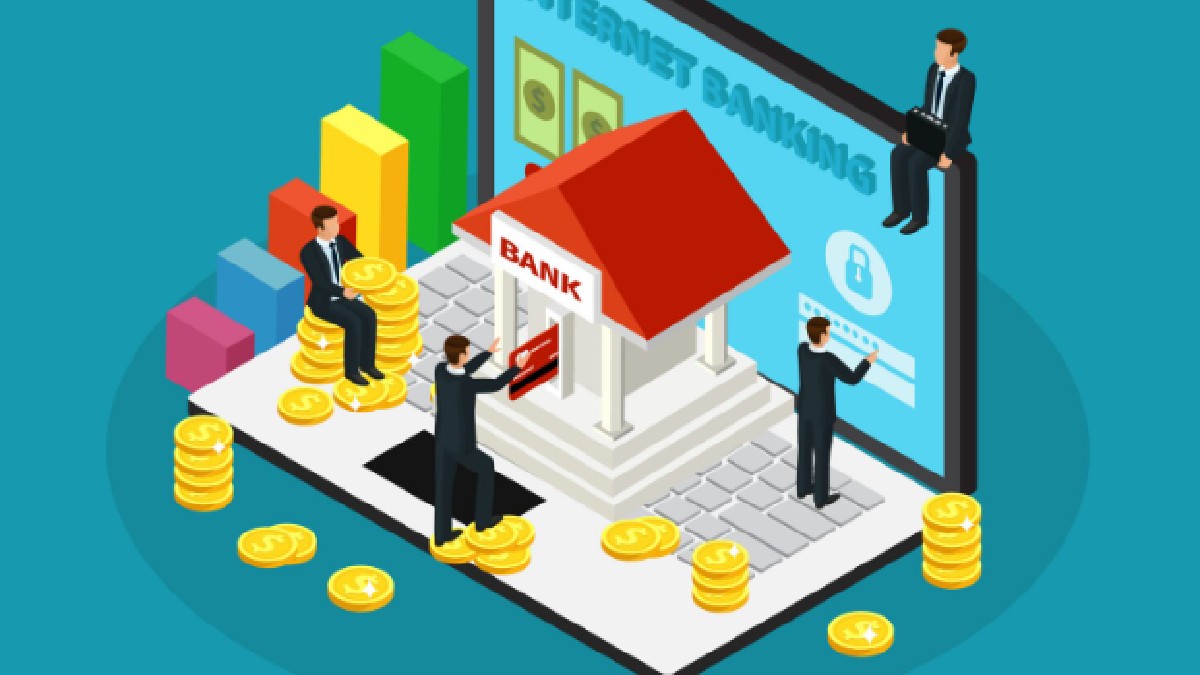
In 2026, Open Banking has become a key driver of innovation across the global financial ecosystem. By breaking down traditional barriers between banks and financial technology (FinTech) companies, it is creating faster payments, smarter financial products, and highly personalized banking experiences.
Rather than replacing traditional banks, Open Banking is enabling greater collaboration between banks, technology firms, and consumers to deliver more efficient and customer-centric financial services.
What Is Open Banking?
Open Banking is a framework that allows customers to securely share selected financial information from their bank accounts with licensed third-party providers through Application Programming Interfaces (APIs).
With customer authorization, Open Banking enables users to:
- View multiple bank accounts in a single application
- Access personalized budgeting and financial planning tools
- Make faster bank-to-bank payments
- Compare financial products more effectively
- Connect with investment, lending, and wealth management platforms
A fundamental principle of Open Banking is that customers—not banks—control who can access their financial information.
How Open Banking Works
The Open Banking ecosystem relies on secure APIs that act as digital bridges between banks and authorized financial service providers.
The typical process involves:
- A customer grants permission to share specific financial data.
- The bank securely transmits the approved information through encrypted APIs.
- A licensed third-party provider accesses only the authorized data.
- The application delivers services such as budgeting, lending, investment analysis, or payment processing.
- Customers can review or revoke access at any time.
This approach improves convenience while maintaining strong privacy and security standards.
Key Features of Open Banking
Customer-Controlled Data Sharing
Customers decide which financial information is shared, with whom, and for how long.
Unified Financial Dashboard
Users can manage multiple bank accounts, credit cards, loans, and investments from a single platform.
Faster Payments
Open Banking supports direct account-to-account payments, reducing reliance on traditional payment intermediaries and often lowering transaction costs.
Personalized Financial Services
Financial apps can analyze spending patterns and offer customized recommendations for savings, investments, insurance, and budgeting.
FinTech Innovation
Open APIs allow developers to create innovative financial products while operating within secure regulatory frameworks.
Benefits of Open Banking
Benefits for Customers
Open Banking provides several advantages, including:
- Greater control over personal financial data
- Easier money management
- Access to personalized financial products
- Faster and lower-cost digital payments
- Better budgeting and financial planning tools
- Improved comparison of financial services
Benefits for Businesses
Businesses can benefit from:
- Faster payment settlements
- Improved cash flow management
- Reduced transaction fees
- Better financial insights (with customer consent)
- Enhanced customer experiences
Benefits for Banks and FinTech Companies
Open Banking encourages:
- Faster innovation
- Stronger collaboration between financial institutions
- Improved customer engagement
- New revenue opportunities
- More competitive financial services
Open Banking vs. Traditional Banking
| Feature: Traditional Banking, Open Banking | ||
| Data Access | Limited to individual banks | Shared securely across authorized platforms |
| Innovation | Slower product development | API-driven innovation |
| Customer Control | Limited | High customer control |
| Financial Overview | Separate accounts | Unified financial dashboard |
| Third-Party Integration | Restricted | Securely enabled |
Security in Open Banking
Security remains one of the highest priorities within Open Banking ecosystems.
Key security measures include:
- End-to-end encryption
- Multi-factor authentication (MFA)
- Secure API authentication
- Token-based access systems
- Consent-driven data sharing
- Continuous fraud monitoring
- Compliance with financial regulations
Importantly, customers retain full control over their permissions and can withdraw access whenever they choose.
Why APIs Matter
Application Programming Interfaces (APIs) are the technological foundation of Open Banking.
They enable:
- Secure communication between banks and financial apps
- Real-time account information sharing
- Instant payment initiation
- Integration of multiple financial services
- Faster development of innovative financial products
Without secure APIs, Open Banking would not function.
Real-World Applications
Open Banking is already supporting a wide range of practical financial services.
Personal Finance Management
Applications automatically categorize spending, track budgets, and recommend savings opportunities.
Faster Lending Decisions
Banks and lenders can access customer-authorized financial information in real time, enabling quicker and more accurate credit assessments.
Account Aggregation
Consumers can monitor multiple accounts across different banks through one application.
Smart Payment Solutions
Businesses and individuals can automate recurring payments and streamline transaction management.
Business Financial Management
Companies can simplify payroll processing, expense management, accounting, and cash flow forecasting through connected financial platforms.
Challenges Facing Open Banking
Despite its growing adoption, Open Banking still faces several challenges.
These include:
- Customer concerns about data privacy
- Cybersecurity threats
- Varying regulations across countries
- Limited public awareness
- Dependence on reliable digital infrastructure
- Resistance from legacy banking systems
Addressing these issues will be essential to building trust and encouraging wider adoption.
The Future of Open Banking
Open Banking is expected to evolve into a broader ecosystem known as Open Finance, extending secure data sharing beyond bank accounts.
Key future trends include:
Open Finance
Customers will be able to securely connect banking, insurance, pensions, investments, mortgages, and other financial products through a unified ecosystem.
AI-Powered Financial Services
Artificial Intelligence will analyze financial data to deliver highly personalized financial recommendations, automated budgeting, and predictive insights.
Faster Global Payments
International money transfers are expected to become quicker, cheaper, and more transparent through interconnected financial networks.
Embedded Finance
Financial services will increasingly be integrated into retail, travel, healthcare, mobility, and social media platforms, allowing users to access banking without leaving their preferred apps.
Digital Financial Identity
A secure digital identity could simplify authentication across banking, payments, insurance, lending, and investment platforms.
Open Banking and Financial Inclusion
Open Banking has significant potential to expand financial access.
It helps:
- Individuals with limited credit histories qualify for financial products
- Small businesses access financing more easily
- Consumers compare products transparently
- Rural populations use digital financial services
- Lower-income communities benefit from affordable financial solutions
By enabling secure data portability, Open Banking encourages greater competition and broader access to financial opportunities.
Final Thoughts
Open Banking represents a fundamental shift from institution-centered banking to customer-centered financial services. By giving consumers greater control over their financial data while encouraging collaboration between banks and FinTech companies, it is creating a more innovative, transparent, and connected financial ecosystem.
As Open Banking continues to evolve alongside Artificial Intelligence, blockchain, cloud computing, and embedded finance, it will play a central role in shaping the future of global finance. The next generation of banking will be open, secure, intelligent, and tailored to the unique needs of every customer.






Comments
Please to leave a comment on this article.