
New Zealand’s inflation picture is more complicated because consumer prices were surging sharply in the June 2026 quarter. The underlying price pressures were much lower. The recent data are likely to keep the Reserve Bank of New Zealand (RBNZ) on the lookout for the differentiating between temporary external shocks and persistently high domestic inflation.
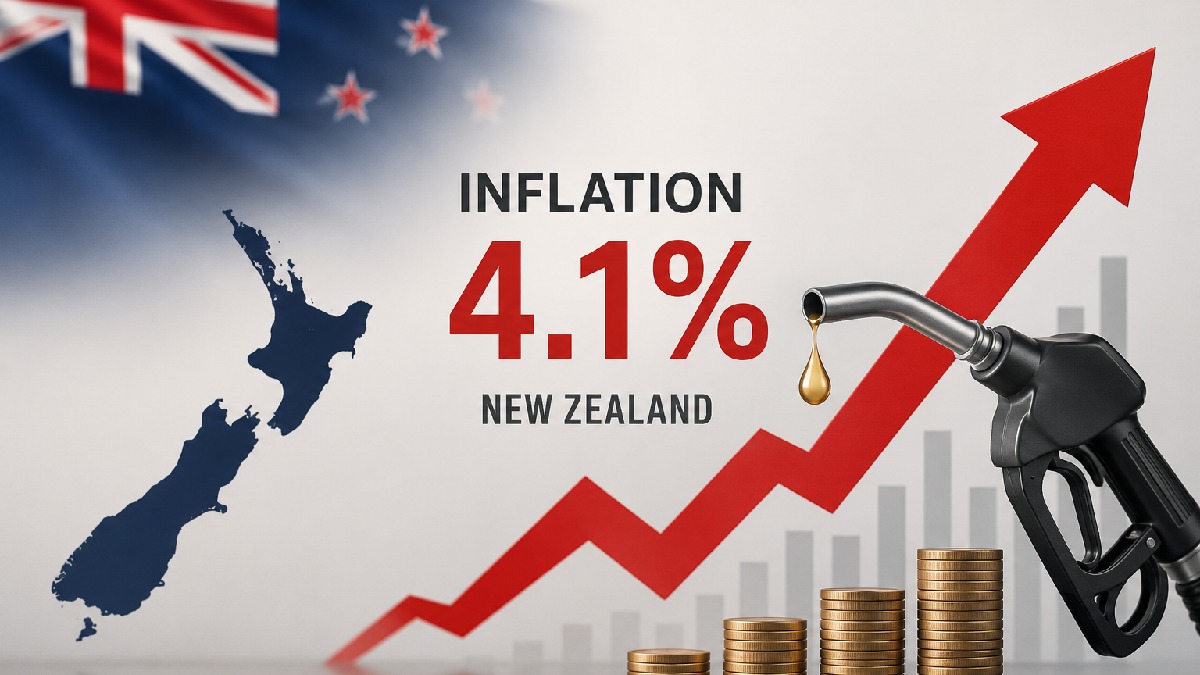
The annual consumer price inflation rate rose to 4.1% in the June quarter, up from 3.1% in the March quarter. Transport and energy costs also had a strong year-on-year increase, and petrol prices led the annual growth.
But measures that exclude some of the most volatile components showed a more moderate picture. Inflation excluding food, household energy and vehicle fuels was 2.5%, suggesting that the big increase in headline inflation in the broader economy did not reflect the underlying trend.
The RBNZ's core inflation indicators will continue to be closely watched by markets. The Sectoral Factor Model is central to central bank measures for key inflation indices as it attempts to provide a way to track inflation trends by comparing common movements in prices from different sectors of the economy.
The model separates price movements into two categories: tradable and non-tradable. Tradable prices are products and service prices that are subject to foreign competition and imported costs, while non-tradable prices more accurately reflect the domestic economy and are less affected by foreign competition.
The RBNZ’s latest available Sectoral Factor Model reading suggests underlying inflation is 2.7% year-on-year in the March 2026 quarter. And so that measure is very relevant in distinguishing between short-term price shocks and broader inflationary pressures that may demand a sustained monetary policy response.
The latest inflation data come shortly after the RBNZ raised its Official Cash Rate by 25 basis points to 2.50% on July 8. It said more monetary stimulus might be needed to return inflation back to the 2% midpoint of its 1% to 3% target range.
The RBNZ has said headline inflation will be lighter as energy costs come down. But the sharp rise in fuel costs will continue to influence inflation expectations and household spending in the medium term.
The data also puts the New Zealand dollar in a complicated position. Higher headline inflation and the recent interest-rate hike in the dollar might help the currency by heightening expectations of tighter monetary policy. But at the same time, softer underlying inflation and economic uncertainty in the home country would temper expectations for a strong rate hike.
The New Zealand dollar slipped from a seven-week high after the latest inflation-related data but was higher on the day against the US dollar.
For the RBNZ, the key question will be whether the current inflation surge is temporary or whether it starts to take a more widespread share of wages, services and broader domestic prices. The answer will most clearly determine the central bank’s next policy moves.
The new numbers underscore why monetary policymakers are still concerned with core inflation measures in place, rather than headline CPI. Although energy prices have pushed the headline rate sharply higher, the core inflation figures show that the overall inflation problem may be a bit less severe than the headline figure suggests.






Comments
Please to leave a comment on this article.