
In a significant move aimed at easing cross-border travel and trade, Nepal has revised its currency regulations, allowing both Indian and Nepali citizens to bring into and take out of Nepal Indian currency notes of ₹200 and ₹500 denominations. The revised rule applies to banknotes issued on or after November 9, 2016, with a maximum limit of ₹25,000 per person.
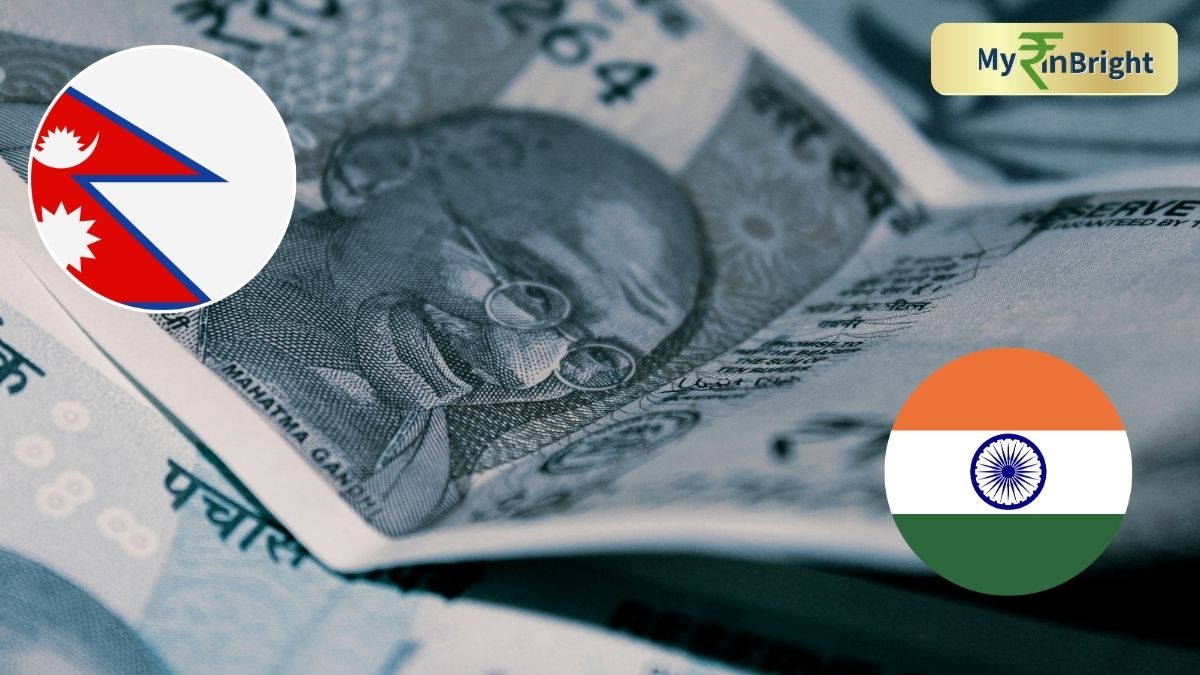
The updated regulation was announced by the Nepal Rastra Bank (NRB), ending years of restrictions that were introduced after India's 2016 demonetisation. Under the previous rules, higher-denomination Indian currency notes were either restricted or not permitted, making travel and cross-border transactions more difficult for tourists, traders, and residents living near the India-Nepal border.
With the latest change, Indian and Nepali nationals can now legally carry ₹200 and redesigned ₹500 notes across the border, provided the total value does not exceed ₹25,000. The NRB has clarified that pre-November 9, 2016 ₹500 and ₹1,000 notes remain prohibited in Nepal.
The decision is expected to provide relief to thousands of Indian tourists visiting Nepal every year, as well as Nepali citizens who frequently travel to India for business, education, healthcare, and shopping. It is also likely to simplify cash transactions in border towns, where cross-border movement is common due to the close economic and cultural ties between the two countries.
Industry observers believe the revised policy will benefit tourism, retail trade, and small businesses operating along the India-Nepal border. Easier access to commonly used Indian currency denominations could reduce inconvenience for travelers who previously had to rely on lower-denomination notes or digital payment alternatives.
Despite the relaxation, the currency movement remains subject to foreign exchange regulations. The ₹25,000 limit per person continues to apply, and travelers are advised to comply with the latest customs and banking guidelines while entering or leaving Nepal.
The move reflects the close financial and economic relationship between India and Nepal, which share an open border and significant people-to-people exchanges. By easing restrictions on Indian currency, Nepal aims to facilitate smoother travel, strengthen bilateral trade, and improve convenience for millions of cross-border travelers.






Comments
Please to leave a comment on this article.