
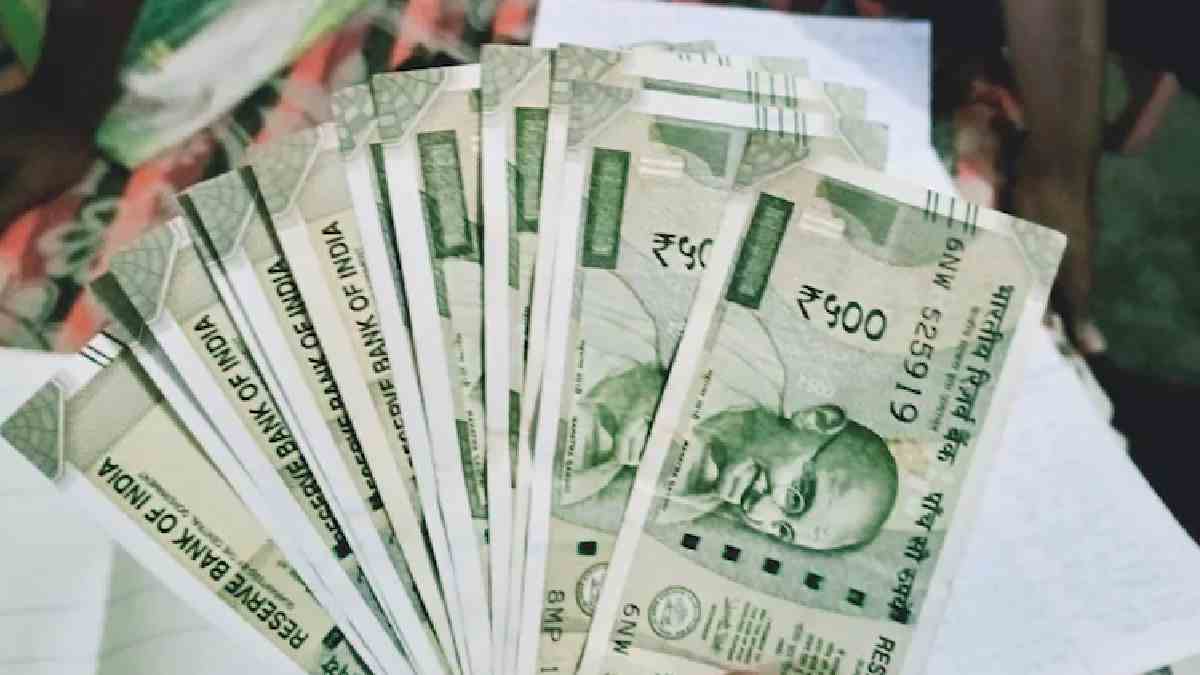
In a big relief for travellers, tourists and business communities, Nepal has officially allowed Indian ₹200 and ₹500 currency notes to be carried into and out of the country, ending a restriction that had been around for nearly a decade after India's 2016 demonetisation.
The decision by the Nepal Rastra Bank (NRB) will significantly enhance cross-border travel, tourism and trade between India and Nepal, which share one of the world’s most open international borders and deep cultural, economic and family ties.
The new rules provide better flexibility for Indian visitors to Nepal and Nepalese citizens who frequently travel to India for business, education, employment and religious tourism.
Indian ₹200 and ₹500 notes now Permitted
According to the latest notification issued by the Nepal Rastra Bank, both Indian and Nepalese nationals are now allowed to carry Indian currency notes of ₹200 and redesigned ₹500 denominations, provided the notes were issued after November 9, 2016.
The total amount permitted is up to ₹25,000 per person, in accordance with Nepal's existing foreign exchange regulations.
Although these provisions had already been published earlier in the Nepal Gazette after necessary regulatory approvals, the central bank reissued the notification to remove confusion and clarify the implementation of the revised policy.
Why were ₹500 notes earlier restricted?
The ban dates back to India's demonetisation drive on November 8, 2016, when the Government of India withdrew old ₹500 and ₹1,000 currency notes from circulation.
Following that decision, Nepal banned Indian currency notes above ₹100 as old high-value notes were no longer legal tender and regulatory mechanisms for the redesigned notes were not yet finalised.
For almost ten years, travellers entering Nepal could legally carry only Indian currency notes of ₹100 denomination or lower, even though the overall carrying limit remained unchanged.
In the end, the latest decision cuts down on that inconvenience.
Important Rules Every Traveller Should Know
Hence, the announcement is welcome, but Nepal Rastra Bank has also clarified some important conditions.
Travellers can now carry:
Indian ₹200 notes issued after November 9, 2016. Redesigned Indian ₹500 notes issued after November 9, 2016. Maximum limit of ₹25,000 per individual
Even then, there are restrictions in place
Nepalese citizens cannot bring Indian currency into Nepal from any country other than India.
Similarly, Indian currency cannot be carried from Nepal to any third country except India.
The restrictions were put in place because cross-border currency movement is a subject of concern and we want to prevent misuse.
Foreign Currency Declaration Rules
The Nepal Rastra Bank has also reiterated customs declaration requirements for foreign currencies.
Travellers to Nepal can bring foreign currency worth up to USD 5,000 (or the equivalent) without filing a customs declaration.
If the amount exceeds USD 5,000, it must be declared to customs authorities upon arrival.
Officials also added that travellers can carry Indian currency of the same value only if they have the appropriate denomination and declaration requirements.
Big relief for Tourism and Trade
The new currency rules will help to boost tourism and business activity.
Every year, millions of Indian pilgrims and tourists visit Nepal’s famous destinations such as Pashupatinath Temple, Muktinath, Janakpur, Lumbini, Pokhara and Kathmandu.
Likewise, thousands of Nepalese citizens travel regularly to India for employment, education, healthcare, shopping, and trade.
When ₹200 and ₹500 notes are made legal, everyday transactions can be done much more easily. Small denomination notes can be exchanged before travel.
Hotels, restaurants, taxi operators, local businesses and traders will also benefit from the simplified currency regulations.
Old ₹500 and ₹1,000 notes still not allowed
Despite the relaxation, Nepal has made it clear that old Indian ₹500 and ₹1,000 notes issued before November 9, 2016 remain prohibited.
Only the new ₹500 and ₹200 notes introduced after demonetisation are recognised under the new regulations.
Travellers are therefore advised to carry only valid Indian currency notes before entering Nepal.
Stronger India-Nepal Connectivity
India remains Nepal’s largest trading partner and one of its largest sources of tourists. The two countries also have centuries-old cultural, religious, and economic ties, supported by an open border that allows easy movement of people.
The latest decision by Nepal Rastra Bank will strengthen those links by facilitating transactions with the assistance of the bank, but also taking care to protect the safety of travellers.
As for Indian tourists who are planning holidays, pilgrimages, or business trips to Nepal, the new rules remove a long-standing inconvenience and make cross-border travel considerably more convenient.






Comments
Please to leave a comment on this article.