
As soon as you see a negative balance on your bank account it can be scary to you. The customers will immediately assume that you have to pay up the balance and close the account and will be told they need to do so if you’re going to close it. But when your balance is bad, it doesn’t always mean you are going to owe money to the bank.
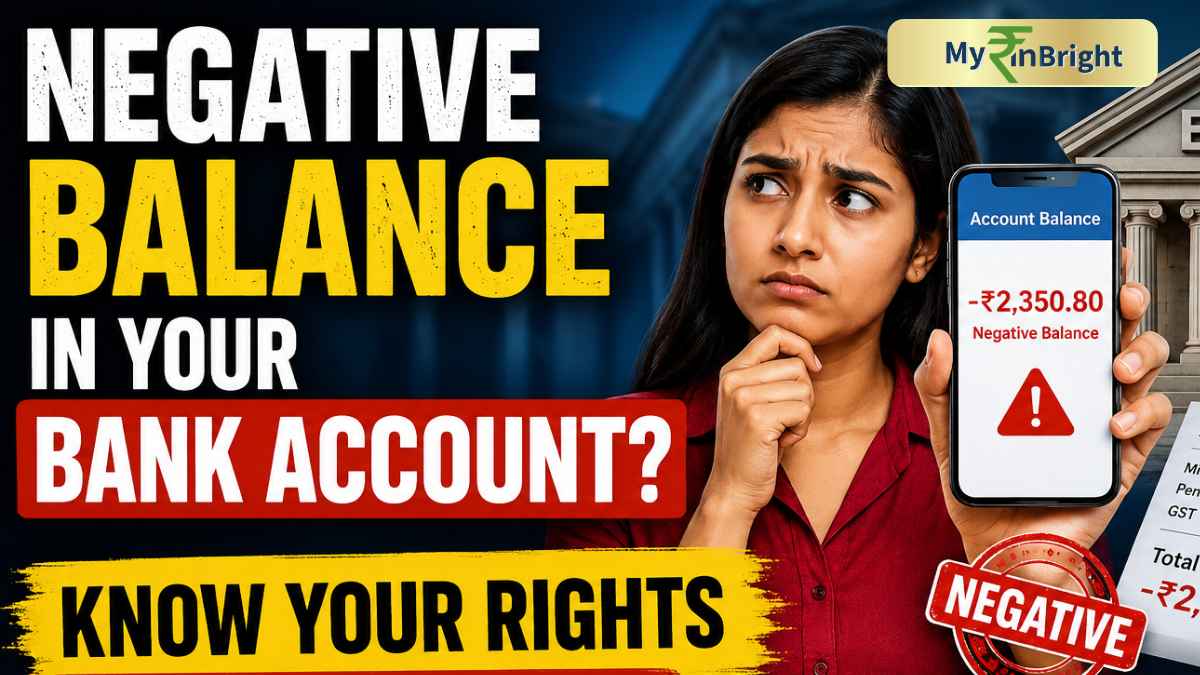
In many cases, negative balances occur due to minimum balance penalties, maintenance charges or other service fees which show up in the inactive or dormant accounts as minimum balance penalties, or maintenance charges or other service fees in the form of service fees that are still reflected in inactive or dormant accounts. Before payment is made customers need to know they have rights before any payment.
One thing banks can’t do is automatically push a savings account to an ever-increasing negative balance because of minimum balance penalties. Regulatory guidelines have placed restrictions on the way such charges are levied, particularly if they lead to unreasonable negative balances.
Some customers discover that their old or unused bank accounts have been showing negative balances for months or even years. This happens so frequently because periodic charges are still on the account statement, even when the account is no longer actively used. If you get such a situation, don’t assume that you need to immediately pay the amount.

Instead, contact your bank and ask for a detailed explanation of how the negative balance was calculated. Request a statement showing the charges applied and seek clarification on whether the amount is legally recoverable under the bank's policies and applicable regulations.
If you believe the charges are incorrect or unfair, submit a written complaint to the bank. Keep a copy of the complaint and obtain an acknowledgement or complaint reference number. Proper documentation is helpful when a problem remains unresolved.
If the bank does not provide a satisfactory response within the prescribed time or you are unhappy with its resolution, you can escalate the matter through the Reserve Bank of India's Integrated Ombudsman Scheme, which provides customers with a formal grievance redressal mechanism for banking complaints.
It is also important to regularly check all your bank accounts, including those you no longer use. If an account is no longer needed, then follow the necessary closure process and avoid the problem of confusion or unnecessary charges with it.
A negative balance should never be viewed as an automatic obligation to pay without understanding why or why not. And it depends on what the account terms, the banking regulations and what constitutes the nature of charges are.
Before making any payment, verify the facts, seek clarification from your bank, and understand the remedies available to you. Knowing your rights can help you avoid unnecessary financial burden and ensure any charges imposed on your account are fair, transparent, and in accordance with banking rules.





Comments
Please to leave a comment on this article.