
India’s ambitious vision of becoming a $30 trillion economy by 2047 will require sustained economic growth, higher productivity and millions of quality jobs. Labour reforms would be a key part of achieving this goal by making expansion easier for businesses and by making formal jobs available and making India more competitive.
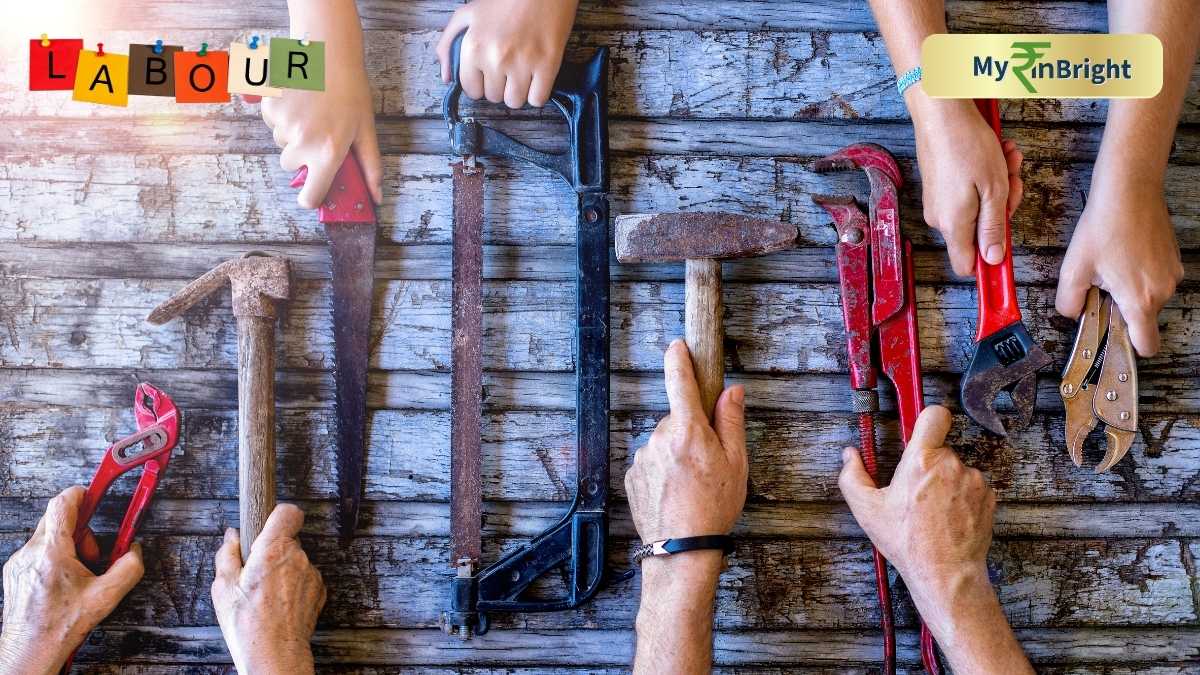
India has introduced various labour-related reforms in recent times to simplify rules and harmonize laws across the country. The four Labour Codes—wages, industrial relations, social security and occupational safety—are designed to harmonize India’s labour system. The simpler the laws that businesses need to comply with, the more workers benefit from the wages, social security and workplace protections that are there.
The biggest potential advantages of labour reforms are their ability to foster formal employment. The majority of India’s workforce remains in the informal economy. More formalisation also gives workers access to social security, retirement benefits, insurance and other benefits, and productivity and tax compliance as well. A larger formal workforce would also increase household incomes and consumer spending.
The labour reforms will have a great impact on India’s manufacturing and export plans. India is looking to become a major global manufacturing hub in the future and should be able to scale operations and be competitive with other countries in Asia. Flexible but well-regulated labour markets can encourage companies to build factories, expand production and create jobs. And some sectors—electronics, automobiles, textiles, pharmaceuticals, renewable energy—may also benefit from a more predictable labour system.
But reforms alone won’t be enough to achieve the $30 trillion economy vision. India would also need massive investments in infrastructure, education, healthcare, technology and skill development. And it’s also a matter of increasing the employability of the young people in India. As artificial intelligence and automation take control of the workplace, workers should have digital, technical and vocational skills to work in this new world.
So labour reforms will have to be a trade-off between business flexibility and workers’ rights. Companies need to be flexible to adjust to changing market conditions; employees need to be paid adequately, work safely and securely, and social security is important. Proper implementation of reforms will determine if the reforms are working for the purpose they are supposed to and how transparent rules and strict enforcement will be.
If implemented efficiently together with other structural reforms, India's labour reforms can help in increasing productivity and attracting investment and employment in the next decades. And with the country on track to grow to a $30 trillion economy by 2047, having a productive, skilled and formally employed workforce is one of the most important elements in the economic growth puzzle.






Comments
Please to leave a comment on this article.