
The cyber safety of the elderly has been reinforced with Kolkata Police's Cyber Pronam initiative, a dedicated scheme for senior citizens and financial fraud protection. Kolkata Police saw a lot of cybercrime in older people that are more susceptible to sophisticated online fraud schemes. In the digital age of day-to-day life and information sharing by raising awareness and training, digital education, and quick police intervention in the city, Kolkata Police is a part and parcel of that.
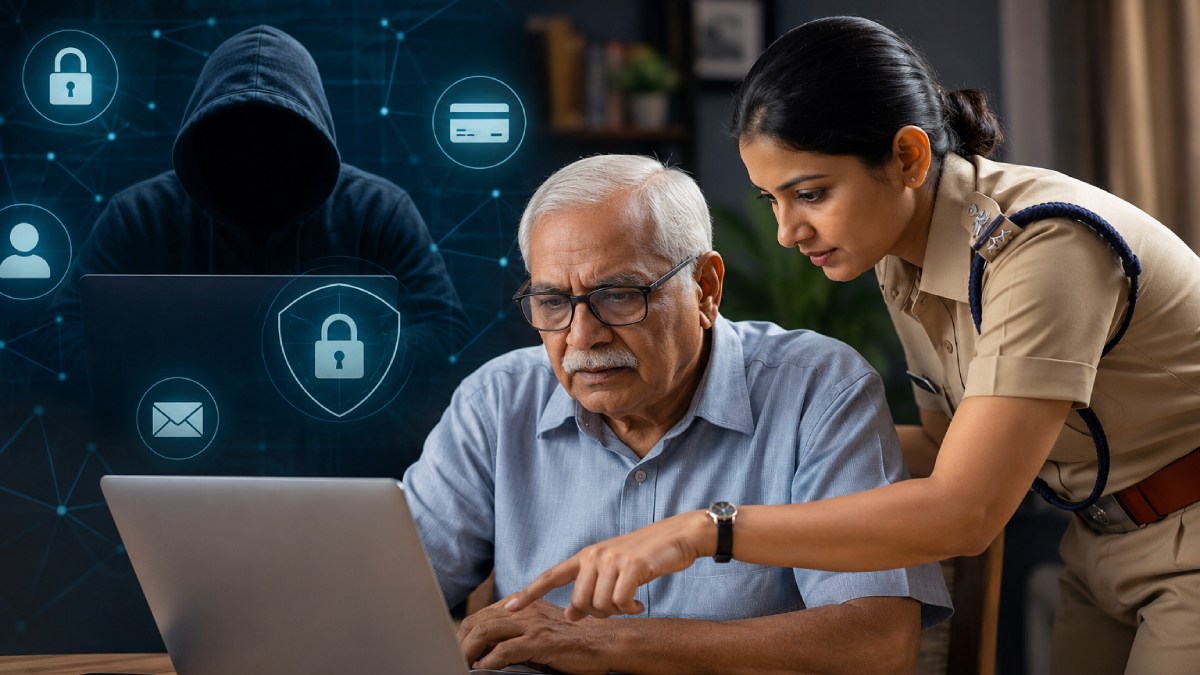
Cyber fraud is one of the fastest-growing forms of crime in India and fraudsters use ever more sophisticated tactics to deceive victims. Senior citizens are often targeted through fake bank calls, phishing emails, fraudulent investment offers, impersonation scams, digital arrest scams, OTP frauds, QR code scams, and fake customer care numbers. Suspected criminals are often using trust, fear, or ignorance of digital technology to convince victims to give up private banking information or transfer money.
Based on these problems, Kolkata Police launched the Pronam programme years ago as a welfare programme for senior citizens as a priority for the safety and well-being of senior citizens. The expansion into Cyber Pronam gives a digital security component to the programme as well, and elderly residents are provided with all the information on how to identify online threats and act in case of suspicious activity.
Under the expanded initiative, police are expected to engage more actively with registered senior citizens through awareness programmes, community meetings, and personalised guidance. Officers will explain common cyber fraud techniques, explain safe digital banking practices, and encourage citizens to verify unknown callers or messages before sharing personal or financial information.
One of the primary objectives of Cyber Pronam is preventive awareness. Experts of all ages and cultures have always maintained that education is still one of the most effective tools of cybercrime prevention, and the best tools for reducing fraud risk in this domain, and education is still one of the best methods in this field.
This is why the initiative aims at preventing fraud by making sure senior citizens are aware of warning signs like requests for OTPs, urgent need for payments, urgent requests for money in the form of OTPs, immediate demands to pay for payments, suspicious links to the new information, or promises of unrealistic financial returns so that older people can be aware of the warning signs to detect fraud.
The program also calls upon family members and carers to be involved in the digital security of elderly relatives. Cybersecurity experts suggest regularly discussing online risks with older family members, helping them update passwords, and implementing two-factor authentication to make sure their smartphones and computers have software updates regularly. Such little precautions can drastically reduce the risk of cyber attacks.
In addition to awareness activities, Cyber Pronam will enhance the communication channels between senior citizens and police. Tracking suspicious calls, fraudulent transactions, and attempts at fraud soon means police can respond faster and in some cases recover money lost. Police also advise victims of cybercrime to report incidents immediately instead of waiting for police to respond.
The expansion comes at a time when India's digital economy is growing exponentially. Online banking, UPI payments, mobile wallets, and digital financial services have made everyday transactions more convenient, but they have also created new opportunities for cybercriminals. With more and more senior citizens turning to the internet and the development of technology in the process, in such a way that technological convenience is linked with awareness and security, Cyber Pronam must be done.
Experts in cybersecurity agree that awareness programs targeting specific awareness programs are particularly important in the face of fraudsters and fraudsters are known to adapt their methods. Increasingly, criminals use artificial intelligence, fake phone numbers, fake websites, and social engineering approaches to make it look like a good job of convincing people to think that they are doing social engineering work. Continuous learning is thus important in order to stay ahead of ever-changing threats.
There is still community policing to be done as part of the programme. Police officers will be able to build trust with senior citizens and to report suspicious activity early to police if they can create more trust with them. Regular interactions will also help identify vulnerable people who need more help or monitoring.
Several safety tips are also given to the public: never share OTPs, PINs, passwords, or banking credentials with anyone; verify requests for money independently; avoid clicking on unknown links; and report suspicious communications to the appropriate authorities immediately. Vigilance and checking information before action are among the best defenses against online fraud.
The digital security of a common man is a central part of the identity and safety of people who reside in Kolkata and the digital safety of the city as a whole has been promoted by the development of Cyber Pronam which is a manifestation of Kolkata Police responding early and professionally to the cybersecurity threats in the area of cybercrime and protects one of society’s most vulnerable groups.
As cybercrime continues to evolve, the development of programs that incorporate public awareness in the community and respond to it at the right time and also have the support of the government in the early stages have a crucial role to play in the prevention and prevention of cybercrime in the community.






Comments
Please to leave a comment on this article.