
Iraq has signed investment agreements worth more than $60 billion with leading American companies in one of the country’s biggest economic partnerships with the United States in recent years. The deals were signed at the U.S.-Iraq Business Summit hosted by the U.S. Chamber of Commerce and are in a range of sectors - energy, infrastructure, healthcare, technology.
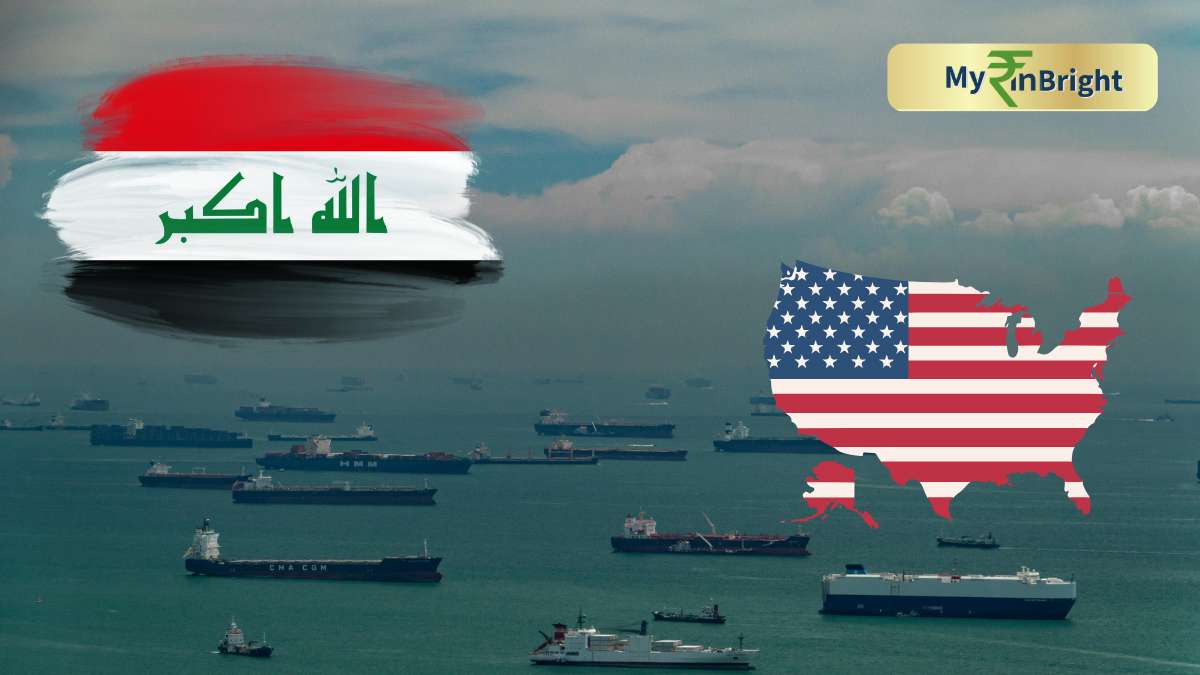
Among the huge U.S. companies involved are Chevron, ExxonMobil and GE Vernova, and the agreements are indicative of increasing American interest in Iraq’s long-term economic future. The agreements will help Iraq to boost energy production, modernise its infrastructure, create jobs and strengthen bilateral economic ties.
A key highlight of the summit was Iraq’s renewed push to revive the Kirkuk-Baniyas oil pipeline, a major project that would take oil from northern Iraq through Syria to the Mediterranean coast. If completed, the pipeline could export up to 2 million barrels of oil per day and offer Iraq a new export route that avoids the Strait of Hormuz.
The move comes at the moment when tensions in the Middle East are still rising. Iran has warned on multiple occasions that it will threaten shipping through the Strait of Hormuz during regional conflicts and it can affect the supply of oil worldwide. So by establishing another export route, Iraq aims to reduce reliance on the strategically important waterway and improve its ability to maintain oil supplies, which is not only an improvement but also a key factor to Iraq's economy.
In the summit, U.S. President Donald Trump met with Iraqi officials, including the delegation from al-Zaidi who advocated for an increase in American investment in Iraq. The talks were about jobs and energy cooperation and how to get private companies involved in large infrastructure projects.
Both countries will benefit from the agreements. Iraq hopes the investments will accelerate economic growth, modernize critical industries and attract more foreign capital. And for U.S. companies, the deals offer access to one of the Middle East's largest energy markets while supporting American jobs through overseas business opportunities.
But industry experts are clear that the pipeline still has its challenges. Security in parts of Syria, high construction costs and geopolitical dynamics can delay the project’s completion for a number of years. And most likely, a great deal of preparation, cooperation with countries around the world and stability in the region will be needed before the pipeline is ready to be operational, they say.
The $60 billion investment package and the Kirkuk-Baniyas pipeline could reshape Iraq’s energy export strategy, strengthen its economy, and create energy security for global markets by taking a different route away from the Strait of Hormuz.





Comments
Please to leave a comment on this article.