
India’s startup ecosystem has developed in the last several years into one of the most dynamic parts of the country’s economy and young entrepreneurs are turning innovative ideas into businesses to solve day-to-day problems.
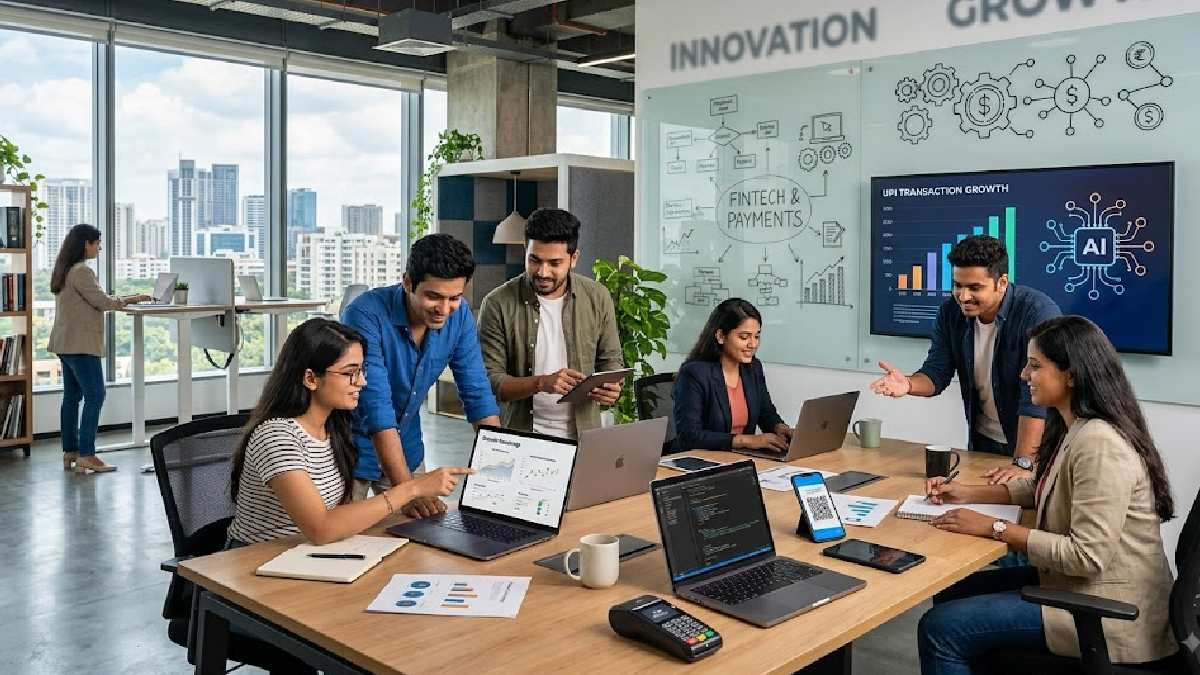
From fintech and artificial intelligence to healthcare, clean energy and e-commerce startups are expanding across sectors and getting more and more attention from investment firms and consumers.
The development of digital technology has been a major factor in this transformation. Affordable internet access, widespread smartphone usage and digital payment systems have made it easier for entrepreneurs to launch products and services and reach customers beyond their local markets.
For many young founders, entrepreneurship is no longer limited to conventional business models. Technology is already assisting small teams building companies that can scale to city-specific companies, and in some cases that can operate in international markets.
Artificial intelligence is also opening new opportunities for startups to automate processes, analyse big amounts of information and create personalised products.
India’s growing startup culture is creating employment opportunities as well. While large companies are still the primary employers, startups are creating jobs in areas of software development, marketing, finance, sales, logistics and product management. And the growth of startups in smaller cities is only increasing these opportunities.
Government activities have also contributed to the development of the entrepreneurial ecosystem.
More people are starting to try out new business ideas with more technology-based policies, digital infrastructure and support programs. Incubators, accelerators and university-based innovation centres are also providing early-stage founders with mentoring, networking as well as resources.
But building a successful startup is still an arduous task for entrepreneurs and startups in general. When starting a business, a startup that has a good idea is just not enough.
The first thing you have to know is about your target customers, what kind of business model you will start and what will change when the market changes.
Access to funding is also a key component of the startup ecosystem. Venture capital and angel investors are the key to startups with strong growth prospects and those who want to take control of their companies such as bootstrapping are still finding a way to grow.
On the other hand, the focus is more and more on sustainable growth and strong financial stability.
Another major change is the growing importance of social and environmental impact.
Startups in renewable energy, electric mobility, waste management, agriculture and healthcare are now trying to combine commercial opportunities with solutions to larger social problems.
The next phase of India’s startup journey could be shaped by artificial intelligence, deep technology, climate solutions and digital services. Entrepreneurs who can bring technology and consumer needs into touch will have big opportunities in the near future.
India’s startup story is not so much about new companies as it is about how young people view careers, innovation and business.
Entrepreneurship is still going to be a fundamental part of India’s economic future as technology is developing.





Comments
Please to leave a comment on this article.