
The Finance Ministry has passed expenditure of ₹1.25 lakh crore for ISM 2.0, a step in the direction of making India a global chip manufacturing center. The move shows the government’s eagerness to strengthen the electronics sector and lessen reliance on imports (telecom, automotive, defense and consumer electronics) in the country.
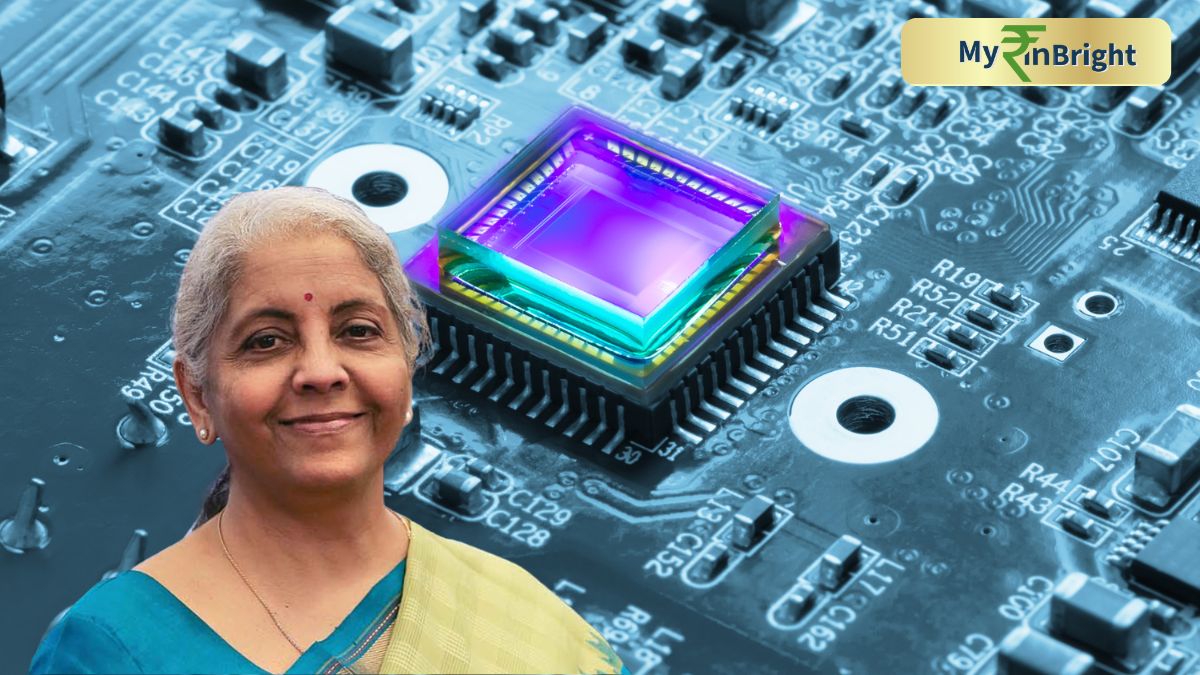
ISM 2.0 builds on the mission launched in 2021 to attract investment and set up semiconductor fabrication plants in India. This investment will substantially expand the market and offer greater capital subsidies, infrastructure and research incentives both for domestic and international companies. With ₹1.25 lakh crore, the government is positioning itself in line with Taiwan, South Korea and the United States as semiconductor hubs.
As such, ISM 2.0 will have three key pillars: manufacturing capacity, design innovation and talent training. The plan is to establish more advanced fabrication plants, support chip design startups and train engineers and researchers in the advanced manufacturing field. This holistic approach is going to create thousands of jobs where high-skilled people will be created and drive ancillary industries such as chemicals, precision engineering and logistics.
Industry experts believe the timing of ISM 2.0 is crucial. The global semiconductor demand is booming due to AI, 5G, electric vehicles and consumer electronics. Supply chain disruption in recent years has highlighted the dangers of over-reliance on specific parts of the world. It will take India to become a chip manufacturing player in the global market that is more diverse and reliable, and in the process will help to strengthen the global market at large.

The initiative also fits in with India’s larger goal of becoming a $5 trillion economy. By increasing semiconductor self-reliance, ISM 2.0 is expected to boost exports, attract foreign direct investment, and put India on the map in the global technology supply chain. Economists think it’s a multiplier effect, with the ₹1.25 lakh crore outlay driving private sector involvement and unlocking more investment.
The approval of ₹1.25 lakh crore for ISM 2.0 marks a watershed moment in India's technological journey. As a mission focusing on manufacturing, innovation and talent, which will make India competitive in the semiconductor industry, ISM 2.0 will not only provide India with a strong future, but will also give it resilience in global supply chains.










Comments
Please to leave a comment on this article.