Credit cards are a fundamental part of modern life, offering convenient, flexible, and immediate access to credit. From shopping and travel booking to emergency expenses, they have changed the way people manage their finances. While credit cards make spending easier, they can also become a substantial financial burden when balances accumulate faster than they can be repaid.
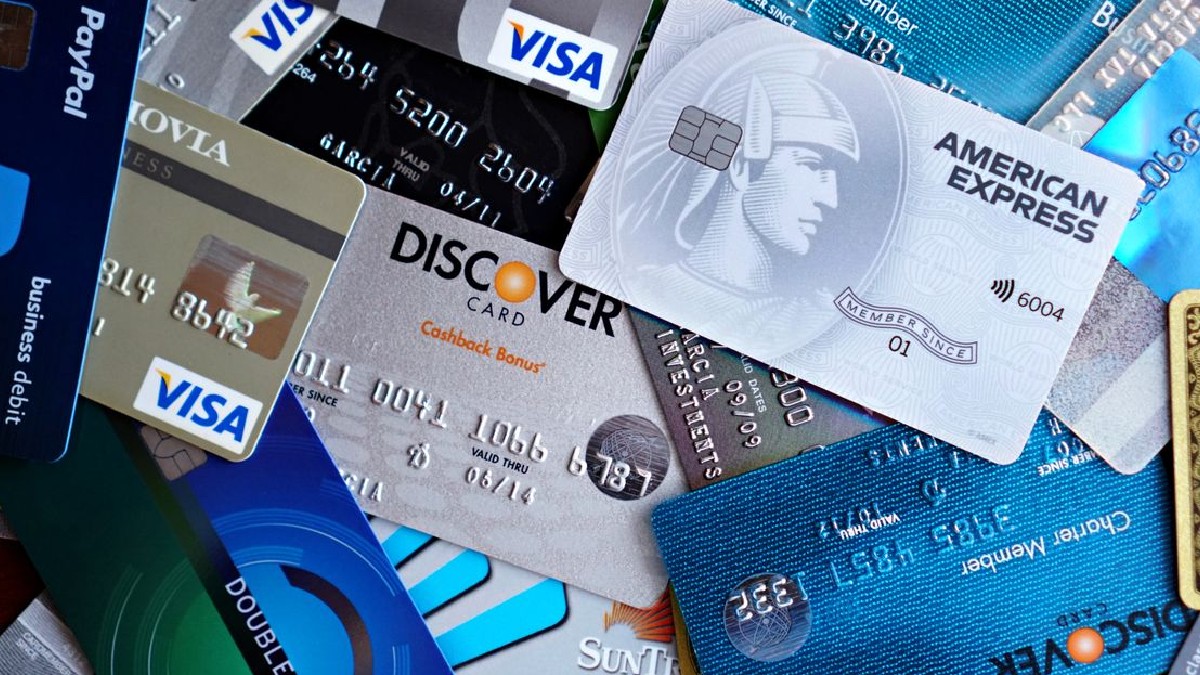
Today, credit card debt is a growing concern for people from around the world and people in developing and developed countries. Rising living costs, unexpected medical emergencies, job loss, and impulsive spending habits have put consumers into debt. Most credit cards carry relatively high interest rates, so they can quickly grow, and debts can be accrued and are so high that without them you are in a very hard place to regain financial stability.
Understand Your Debt
What you owe. Review your credit card accounts and say the following.
- Outstanding balance
- Annual Percentage Rate (APR) or interest rate. Minimum monthly payment. Payment due date
- With a complete picture of your debt, you can make a repayment strategy and prioritize your financial goals.
- Pay More Than the Minimum
Financial experts generally recommend paying more than the minimum amount of payments due when possible. Making only the minimum payment helps you avoid penalties, but you can’t help but increase the length of time for repayment and the amount of interest paid over time.
Even small extra payments each month can substantially reduce your debt and shorten the repayment timeline.
In the Right Repayment Plan.
Two of the most effective debt repayment methods are the Avalanche Method and the Snowball Method.
Avalanche Method
Such a strategy is to pay off the credit card with the highest interest rate first while continuing minimum payments on other cards.
Benefits include:
- Lower total interest paid
- Faster overall debt repayment
- Greater long-term savings
- Snowball Method
In this way, you pay off the smallest balance first, and then you pay off the remaining debts at a minimum.
Advantages include:
- Quick psychological wins
- Increased motivation
- A little easier to keep repayment discipline
Both methods are effective. The best strategy is the one you can follow consistently.
Create a Monthly Budget
Debt repayment is much easier when it can be made with a realistic monthly budget.
And monitor your income and expenses, and determine where you can cut back on spending. Small changes can have dramatic consequences for you over time, such as:
- Reducing dining out
- Limiting impulse purchases
- Cancelling unused subscriptions
- Shopping with a list
Every dollar saved can help lower your outstanding balance faster.
Avoid Adding New Debt
Borrowers are most likely to continue to borrow money from credit cards and then continue to borrow money to pay back credit cards.
Whenever possible:
- Use cash or debit cards for daily expenses.
- Don’t buy stuff you don’t want to buy.
- Resist the temptation of "buy now, pay later" offers.
Breaking the cycle of borrowing is essential for long-term financial recovery.
Consider Balance Transfers or Debt Consolidation
You may benefit from financial products to lower your credit card borrowings and/or your interest rates if your credit card carries particularly high interest rates.
Options include:
- Balance transfer credit cards with introductory low or 0% interest rates.
- Debt consolidation loans, where multiple debts are combined into a single loan with a potentially lower interest rate.
Such alternatives can reduce interest costs to some extent, but they need to be weighed carefully. Without disciplined repayment, they may merely put off the problem rather than solve it.
Build Healthy Financial Habits
Easing debt is only a part of financial wellness. Good money habits prevent future financial stress.
Consider these long-term practices:
- Build an emergency fund. Pay bills on time.
- Track your credit report.
- Save before large purchases.
- Use credit responsibly.
Good financial habits boost your credit score and create better loan terms, higher savings, and long-term wealth creation.
Financial Freedom Is A Journey
Adhering to your credit card debt does not happen overnight. It requires patience, consistency, and a clear financial plan. Every payment you make will help you to become more independent.
By understanding your debt, building a repayment plan, controlling spending, and making sound financial decisions, you can regain control of your money and build a stable future.
Financial freedom starts with small actions. Your debt may be large today, but every payment you make is an investment in a better financial future.





Comments
Please to leave a comment on this article.