
CIBIL score is considered the best indicator of your financial health and is between 300 and 900, with scores above 750 considered excellent. If your score is even lower than 650, lenders tend to consider you as a high‑risk borrower and loan rejection or higher rates of interest may be the reason for that. But with consistent discipline, over time you can get better.
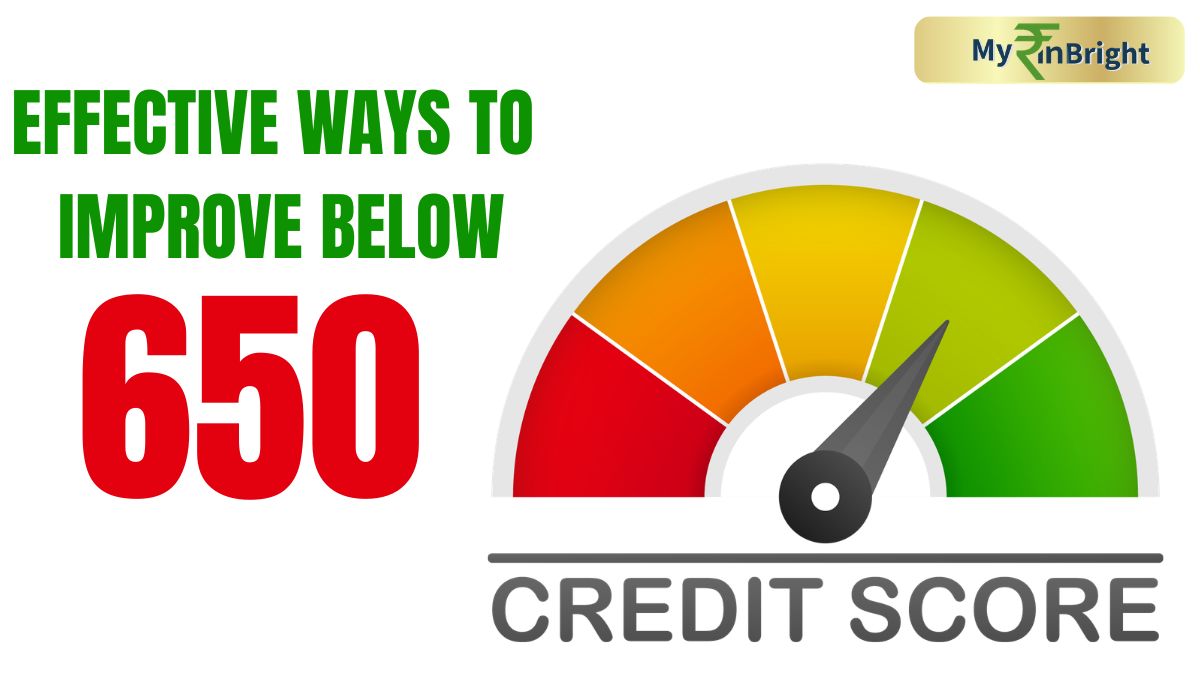
Your score is influenced by several things. Payment history is the single biggest factor and a lack of EMIs or credit card dues can be the cause of a massive reduction. Credit utilization is also a big deal—spending more than 30% of your credit card limit indicates financial stress. And your credit accounts’ age matters too, as long-term history of your credit accounts is important to your score. A credit mix of secured loans and credit cards is a better option than having only one type of credit. Finally, too many new inquiries in a short span will cause your score to drop.
To improve your score, start with timely payments. Set up auto‑debit for EMIs and card dues so you don’t miss deadlines. Even paying slightly above the minimum due helps avoid “revolver” status. You’ll have 40–60 points if you’ve been clean for 6 months on payments. The utilization should be managed as well–keep usage below 30% of your limit, pay mid‑cycle to reduce reported balances, or ask for a limit increase to improve your ratio.
There’s another smart thing to do and keep old accounts. Don’t close old credit cards because they add to your credit age. Use them occasionally for small purchases to keep them active. You have to diversify your credit mix as well. If you only have cards, you can get a secured loan like a car loan or gold loan. And an FD‑backed secured credit card can also build history safely and can even raise scores to 718 after a year of disciplined use, in most cases.
It’s important to limit new applications. Don’t apply for multiple loans or cards in a hurry. Instead, use soft‑pull pre‑qualification tools that will not affect your score. You could also need to make sure your credit report is regularly updated, even if it’s from CIBIL, CRIF, Equifax, or Experian. Studies show 34% of disputes are resolved in favor of consumers, and 40+ points of a consumer score improvement are often achieved by improving scores by 40+ points.
Improvement takes time. You can see a 30–50 point increase within 30–90 days as you focus on payments and utilization. In 6–12 months, consistent discipline can add 70–100 points. Scores can go from 650 to 750+ in 12–18 months of effort.
It is important to avoid common myths. The closing of unused cards does not help your score; it lowers your total limit and reduces utilization. Paying off loans doesn’t affect your score, but closing accounts may lower credit age. Checking your own score doesn’t lower it, as self‑checks are soft inquiries.
There are risks too. There are no quick fixes and real improvement takes months. Settling loans for 24–36 months leaves bad marks on your scores. High utilization (say 80–90% of your limits) is always a sign of stress and drags scores down.
So while you will get the CIBIL score to be in the 700+ range in a year and to 750 within 18 months, you will get better loan rates and a better financial life.





Comments
Please to leave a comment on this article.