A loan is now a key financial tool for the economy today. It can fund a home purchase, education, car purchase, or medical emergencies (as well as anything else). But loan payments can be very much a financial burden on people, and make them stressed, have more debt, and eventually default.
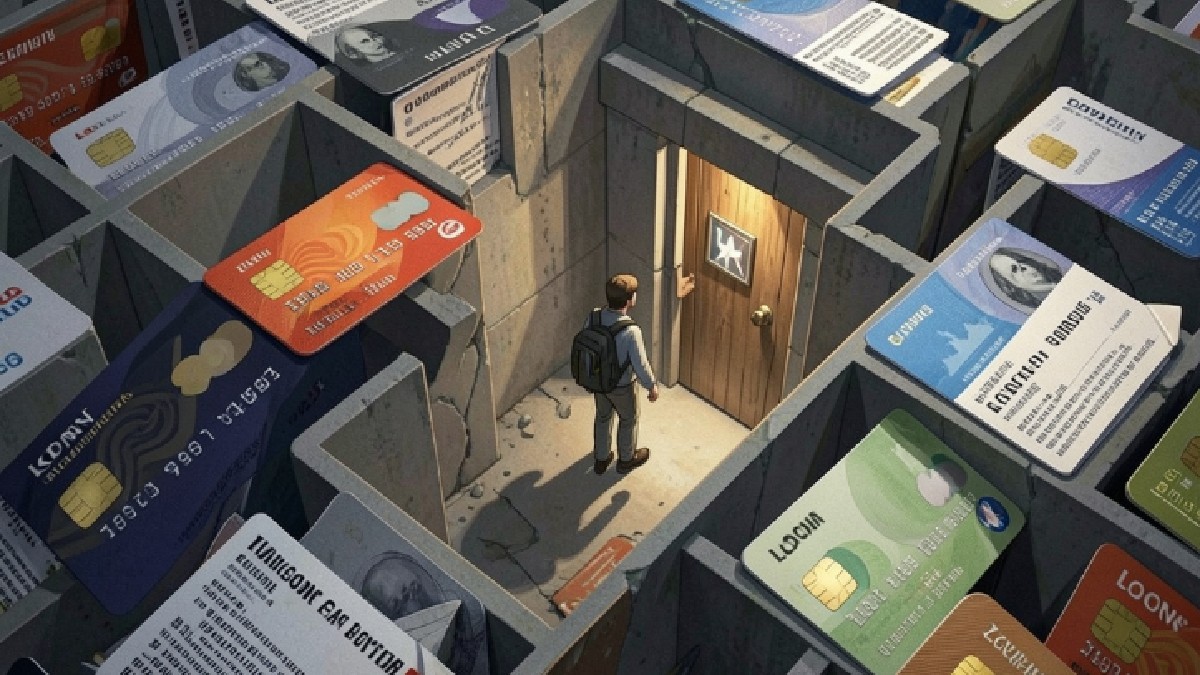
The good news is that avoiding loan traps doesn’t mean avoiding loans entirely. It means borrowing responsibly, understanding the terms, and planning repayments wisely. Here are some practical ways to stay financially healthy while ensuring you never fall into a debt trap.
Borrow Only When Necessary
In any case, ask yourself if you need to get a loan and why? Loans for good work (rent or other things like education or owning a business) often create long-term value. Borrowing for luxury goods, trips, or other luxuries can only add to your budget line of sight and create stress all the more.
If you can postpone a purchase and save instead, that is often the more financially sound option.
Know How Much You Can Afford
Borrowers often make the biggest mistake: They take a loan and then don’t know if they will make it back or not.
Financial experts generally recommend keeping your total monthly EMI obligations below 30% to 40% of your monthly take-home income. That will give you the margin to pay your bills, save your money for your daily expenses, save for your investment, and make emergency financial plans.
So if you stretch your budget too far, you will be exposed if your income gets affected or unexpected items come your way.
Build an Emergency Fund
Life is unpredictable. Job loss, medical emergencies, or unexpected family expenses can make loan repayments difficult.
Storing an emergency fund equal to three to six months of essential living expenses can allow you to make some kind of financial cushion when you can’t make a living, and that’s the most help to get EMIs paid on time without having to borrow more.
Compare Loan Offers Carefully
You must never take the first loan offer you get. Different banks and financial institutions offer different interest rates, processing fees, repayment terms, and foreclosure charges.
Before making a contract, compare:
- Interest rates
- Processing charges
- Late payment penalties
- Prepayment or foreclosure fees
- Total repayment amount
And even a slightly lower interest rate can save thousands over the life of the loan.
Read the Loan Agreement Thoroughly
Borrowers are focused only on the EMI amount and not on the fine print.
The loan agreement should always be carefully examined to understand:
- Whether the interest rate is fixed or floating.
- Additional charges and penalties.
- Repayment schedule.
- Conditions for prepayment.
- Insurance requirements, if any.
If anything is unclear, ask the lender to explain it before signing.
Avoid Borrowing to Repay Existing Loans
Using one loan to repay another can create a dangerous cycle of debt.
If you have problems with repayments, get to your lender as soon as possible. Most financial institutions have restructuring or a new repayment schedule, or temporarily help you if you’re in real financial trouble.
Early communication is usually better than missing payments without informing the lender.
Pay EMIs on Time
Timely repayment is one of the best ways to avoid financial trouble.
Missing EMI payments can result in:
- Penalty charges.
- Additional interest.
- Damage to your credit score.
- Less chance of future loan approval.
Hence, I need to set up automatic bank payments or calendar reminders of a date so you never miss a due date.
Use Credit Cards Responsibly
Credit cards are convenient, but can be very expensive if balances are carried forward month after month.
Whenever possible:
- Pay the full outstanding balance instead of the minimum amount.
- Avoid cash advances unless necessary.
- Keep credit utilization within reasonable limits.
- Responsible credit card usage also helps maintain a healthy credit score.
Watch for Warning Signs
You may be in a debt trap if:
- More than half of your monthly income goes toward loan repayments.
- You frequently borrow money to pay existing EMIs.
- You struggle to meet essential household expenses.
- You have little or no emergency savings.
Recognizing these warning signs early allows you to take corrective action before the situation worsens.
Seek Financial Advice if Needed
If you find that managing multiple loans is overwhelming, a certified financial advisor or a credit counseling service might be helpful. Professional advice will allow you to present a realistic repayment plan and develop your financial discipline.
Conclusion
When used wisely, loans can be one of the most useful financial instruments. They can be used to buy a house, to finance education, or to achieve long-term financial goals. But unplanned and overburdening can lead to debt-related stress very quickly.
By simply borrowing only when needed, keeping a realistic EMI burden, building an emergency fund, comparing loan options, and making timely repayments, you can avoid loan traps and enjoy greater financial stability.
The smartest borrower isn’t the one who gets the biggest loan, but the one who manages debt wisely while protecting their financial future.





Comments
Please to leave a comment on this article.