
The Goods and Services Tax (GST) is one of India's most significant tax reforms, transforming the country's indirect taxation system since its implementation on 1 July 2017. GST replaced multiple indirect taxes with a unified tax structure, making taxation simpler, more transparent, and more efficient for businesses and consumers alike.
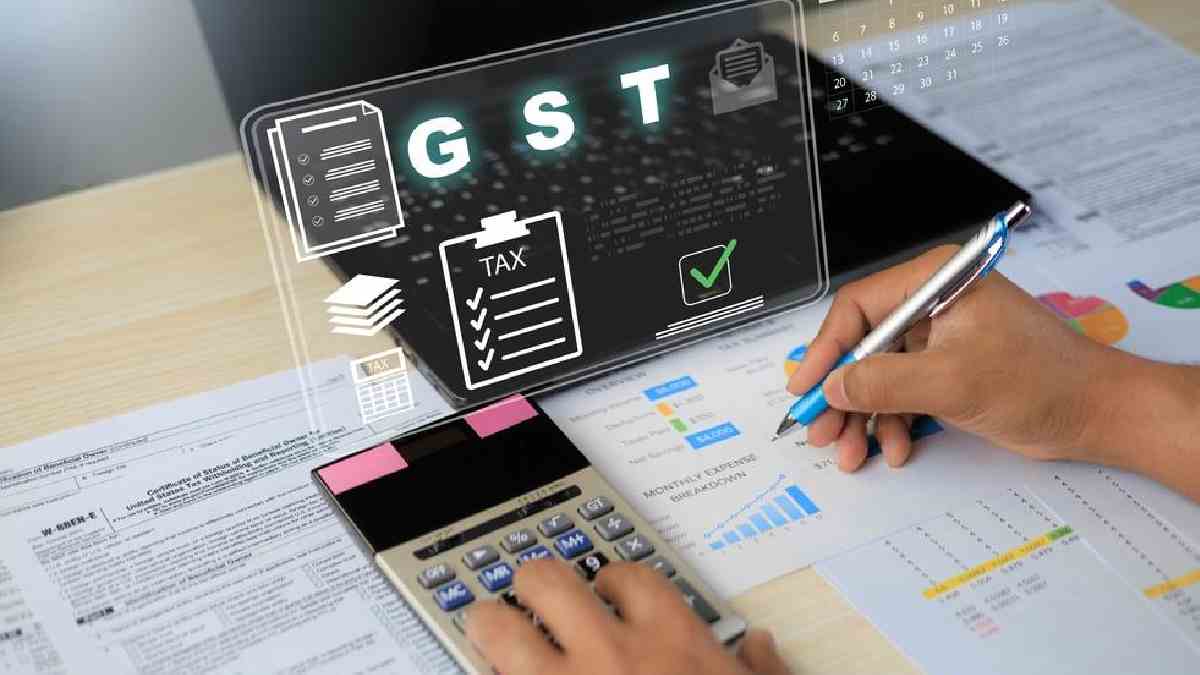
For small businesses, understanding GST is essential for maintaining legal compliance, managing finances effectively, and supporting long-term growth. Whether you operate a retail store, manufacturing unit, service-based business, or e-commerce venture, GST affects everyday business activities—from issuing invoices to filing tax returns.
This guide explains the fundamentals of GST and how small businesses can remain compliant while taking advantage of its benefits.
What Is GST?
Goods and Services Tax (GST) is an indirect tax levied on the supply of goods and services in India.
Before GST was introduced, businesses had to deal with several indirect taxes such as Value Added Tax (VAT), Service Tax, Excise Duty, Entry Tax, and other state and central levies. GST consolidated many of these taxes into a single tax system, reducing complexity and creating a more uniform tax structure across the country.
GST is collected at every stage of the supply chain, but the final tax burden is ultimately borne by the end consumer. Registered businesses collect GST on behalf of the government and, subject to eligibility and compliance with applicable rules, can claim Input Tax Credit (ITC) on GST paid for business purchases.
Why GST Is Important for Small Businesses
GST has simplified taxation and made it easier for businesses to operate across India.
A GST-registered business can:
- Collect GST from customers.
- Issue GST-compliant tax invoices.
- Claim eligible Input Tax Credit (ITC).
- Conduct interstate business more efficiently.
- Improve business credibility with customers and suppliers.
Many larger companies also prefer working with GST-compliant vendors, making registration beneficial for businesses seeking to expand their customer base.
Who Needs GST Registration?
GST registration is mandatory for businesses whose annual turnover exceeds the threshold prescribed under GST law.
In addition, certain businesses may be required to register irrespective of turnover, including specific categories of interstate suppliers, certain e-commerce sellers, and businesses covered under special GST provisions.
Since registration requirements may change through legislative updates, business owners should always verify the latest eligibility criteria before commencing operations or expanding their business.
Types of GST
India's GST system consists of four major components.
CGST (Central Goods and Services Tax)
CGST is collected by the Central Government on transactions that take place within the same state.
SGST (State Goods and Services Tax)
SGST is collected by the respective State Government on intrastate transactions.
IGST (Integrated Goods and Services Tax)
IGST applies to interstate transactions and imports of goods and services.
UTGST (Union Territory Goods and Services Tax)
UTGST is applicable to transactions occurring within Union Territories where applicable.
Understanding these different components helps businesses correctly calculate GST on various transactions.
What Is Input Tax Credit (ITC)?
Input Tax Credit (ITC) is one of the biggest advantages of the GST system.
Businesses can generally claim credit for GST paid on eligible purchases used for business purposes, subject to applicable conditions under GST law.
For example, if a business pays GST while purchasing goods or services and later collects GST from customers on sales, it can generally offset the eligible GST already paid against its GST liability.
This mechanism prevents cascading taxation and helps reduce the overall cost of doing business.
Importance of Filing GST Returns
GST-registered businesses are required to file GST returns within the prescribed timelines.
GST returns contain details relating to:
- Sales
- Purchases
- Tax collected
- Input Tax Credit claimed
- Tax payable
Timely filing helps businesses:
- Avoid penalties and interest.
- Maintain compliance.
- Preserve eligibility for Input Tax Credit.
- Build a positive compliance history.
Maintain Proper Accounting Records
Accurate bookkeeping is the foundation of successful GST compliance.
Businesses should maintain records of:
- Sales invoices
- Purchase invoices
- Payment receipts
- Inventory
- Bank statements
- GST payments
- Credit notes and debit notes
Modern accounting software can automate GST calculations, invoice generation, return preparation, and financial reporting while reducing manual errors.
Benefits of GST for Small Businesses
GST offers several important advantages for small enterprises.
Some key benefits include:
- Simplified tax structure
- Elimination of cascading taxes
- Improved transparency
- Easier interstate trade
- Better Input Tax Credit benefits
- Digitized tax compliance
- Increased business credibility
- Streamlined tax administration
These benefits contribute to better financial management and improved business efficiency.
Common GST Mistakes to Avoid
Many small businesses face penalties due to avoidable compliance errors.
Common mistakes include:
- Delayed GST registration
- Incorrect invoicing
- Missing GST return deadlines
- Maintaining incomplete financial records
- Claiming ineligible Input Tax Credit
- Ignoring changes in GST regulations
Regular bookkeeping, periodic compliance reviews, and professional advice can help businesses avoid these costly mistakes.
Digital GST Compliance
The GST system is largely digital, making compliance easier than before.
Businesses can now:
- Register online
- File GST returns electronically
- Generate e-invoices (where applicable)
- Track tax payments
- View electronic ledgers
- Claim Input Tax Credit digitally
Digital compliance reduces paperwork, improves transparency, and speeds up tax administration.
Final Thoughts
GST has transformed India's indirect taxation system by making it more transparent, efficient, and business-friendly. For small businesses, understanding GST is no longer optional—it is an essential part of running a successful enterprise.
By registering where required, maintaining accurate financial records, issuing proper tax invoices, filing GST returns on time, and claiming eligible Input Tax Credit, businesses can remain compliant while improving cash flow and operational efficiency.
In today's competitive business environment, GST compliance is more than just fulfilling a legal obligation—it is a strategic advantage that strengthens financial management, enhances business credibility, and supports sustainable long-term growth.





Comments
Please to leave a comment on this article.