
Financial literacy is not a bonus for students; it’s essential to a student’s entire education. Youth today are expected to make financial decisions far earlier than they have ever made in their lives in the world of finance. From pocket money and digital payments to loans and investments and budgeting to managing the money you have in your pocket and the money you’ll have in the future, financial knowledge is fundamental to a secure future.
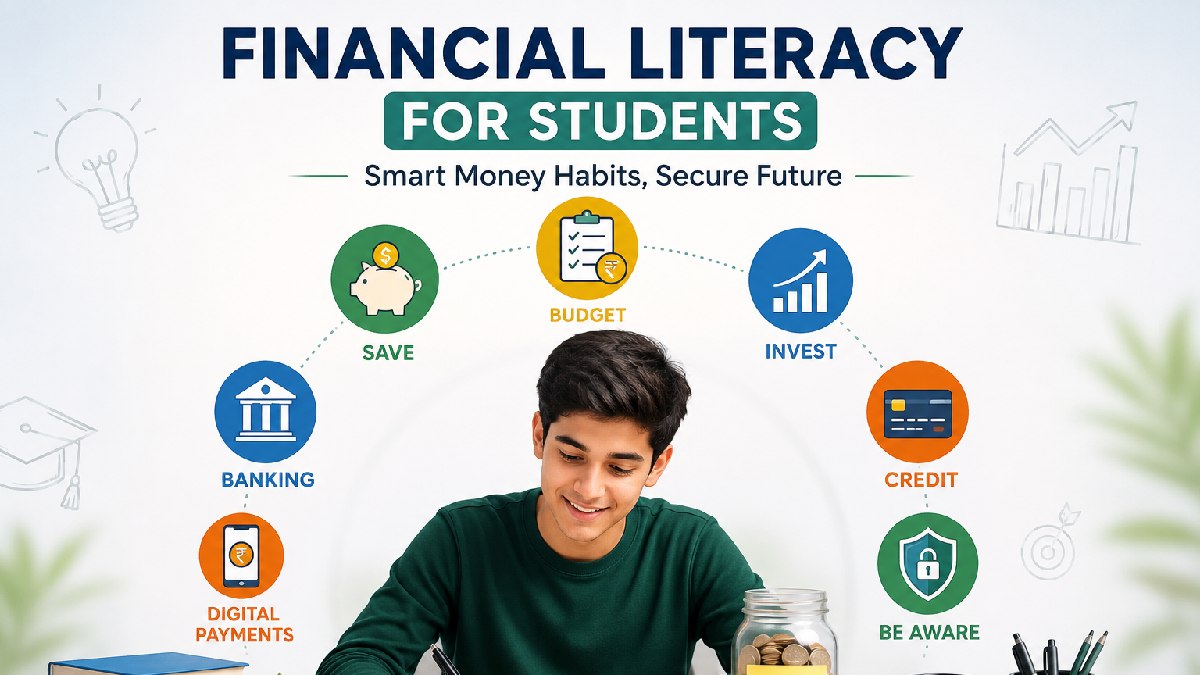
Financial literacy is the ability to understand and manage personal finances. It comprises how to budget, save money, invest wisely, use banking services responsibly and make sound financial decisions. So students gain confidence and become better prepared for the real world of money problems.
One of the benefits of learning financial literacy early is healthy money habits. Those with a good understanding of money are more likely to save regularly, not to waste money, and to plan their expenses carefully. These habits developed at a young age can carry over to adulthood as well and can contribute to long-term financial stability.
Financial literacy also allows students to control their income to a greater extent. And in the world of pocket money, scholarships, internships, part-time work, the financial discipline is how we allocate money between spending and saving. Students learn to know what needs and wants to make smart purchases and avoid overspending.
The other benefit is that one can prevent common financial mistakes. Because young adults were not taught basic money planning and decision-making skills, debt problems, budgeting and risky financial decisions are not only common but also very common. Financial education informs students about interest rates, credit scores, responsible borrowing and emergency savings so as to reduce their potential for making more costly mistakes in the future.
Budgeting is one of the most important financial skills every student should learn. A simple monthly budget can help you monitor income and expenses, control spending and achieve financial goals. In addition to saving enough to get money and be financially secure, budgeting also promotes responsible spending and money management.
Digital financial literacy is also essential with the increasing use of digital transactions. Students need to learn how to use online banking, UPI, debit cards and digital wallets safely and protect themselves from online fraud, phishing scams and identity theft. Basic cybersecurity skills -- protecting passwords and verifying payment requests— are a must for financial education today.
Investment awareness is a big issue students could benefit from. They might not get started right away, but understanding compound interest, mutual funds, stocks, diversification and long-term investing will help them build wealth later. Early exposure to those ideas allows students to make good financial decisions when they enter the workforce.
Parents and schools are both important for financial literacy. Educational institutions can provide practical lessons on budgeting, banking, taxation, entrepreneurship, and investment, and parents can assist with these lessons by engaging children in regular financial discussions and practicing responsible spending habits.
Financial literacy is also a prerequisite for success in a career. Regardless of the type of professionals, entrepreneurs, or business owners students become, understanding personal finance, salary management, taxation, retirement planning, and investments is important in life. Economic development and good citizenship of society are not only in the service of personal well-being but also for the prosperity of society.
Even with financial education awareness increasing, the majority of students still don’t have access to structured financial education. Education networks can bridge that gap through schools, families, and online resources, leading to a generation that is financially literate and confident in making decisions.
And financial literacy can help students to make decisions about their own financial future. From the start of learning how to save, budget, invest wisely and spend wisely, they are secure in their money. Money in the world of today's financial world is just as important to students as a student’s academic achievements, so learning financial literacy is one of the primary life skills that students need to build up.






Comments
Please to leave a comment on this article.