
The Federal Reserve kept its key interest rate at 3.5% to 3.75% and this is the fifth such meeting since December 2012 in which policymakers have decided to hold that rate as they weigh a complex and changing economy. While economists and financial analysts alike expected the decision (and in fact financial markets already had about one-in-three probability of a precautionary rate hike), in a world in which there are many variables and uncertainty, the Federal Reserve did decide to keep its interest rate at 3.5% and 3.75%.
As the policy outcome was far from unanimous, the FOMC, in response to competing signals of economic health, has been less unanimous. Three members of the twelve-member Federal Open Market Committee voted to support a quarter-percentage-point rate hike instead. Cleveland Fed President Beth Hammack, Dallas Fed President Lorie Logan, and Minneapolis Fed President Neel Kashkari were among those who disagreed, signaling a more heated internal debate over the appropriate direction of policy.
Inflation remains the central challenge. In its official post-meeting policy statement, the central bank maintained its baseline assessment from June and then noted that inflation was above 2% (the Committee's formal target) but that broader economic activity was growing at a solid pace. Job growth has been relatively consistent with workforce growth, and the national unemployment rate has stayed steady over the last few evaluation periods, the Federal Reserve said.
Policymakers are currently in the midst of a mixed and challenging inflation environment. While recent consumer data from June showed a slowdown in domestic price pressures, geopolitical conflict in the Middle East is putting pressure on global fuel and food commodities. Central bank presidents are also looking at how structural policy changes in the economy—from large corporate investment in physical data centers to the rapid rise of artificial intelligence infrastructure—might affect inflation in the medium and long term.
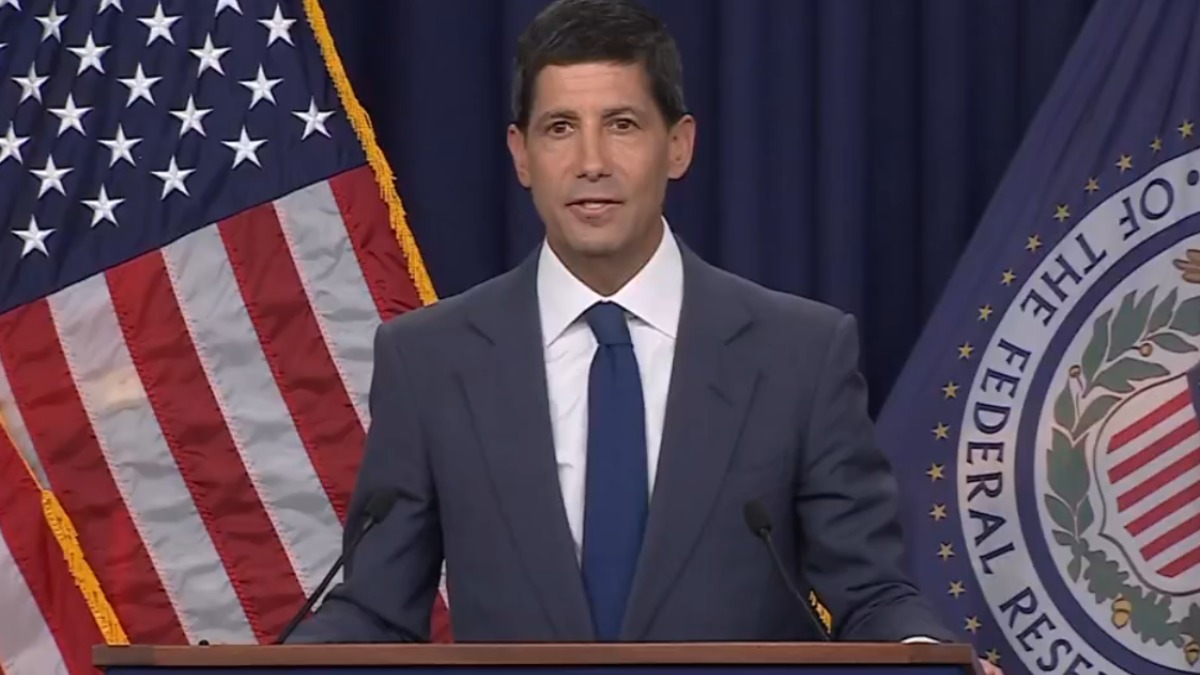
Chairman Warsh emphasizes unwavering commitment. After the meeting, Kevin Warsh addressed reporters and financial markets and emphasized the Federal Reserve's institutional commitment to price stability and return inflation back to the 2% target.
"We’ve begun a new chapter and we understand that the five-plus years of inflation above-target cannot be cured in nine weeks, or by a single month of modest price decreases. This Fed will not waver on getting inflation back to the 2% target," Chairman Warsh said firmly.
Though Warsh did not explicitly state forward guidance about the central bank’s next policy decision, he said that leadership and committee members are prepared to intervene if economic conditions require so. The decisions taken by the committee are very important so officials will do what they feel is appropriate and in the right way and will take action if necessary," he said.
Chairman Warsh also discussed the recent market movement in capital markets recently and welcomed the recent rise in sovereign bond yields. And he said that financial markets are more and more taking on economic health independent, fundamental analysis of the wider economic health rather than reacting to Fed speeches or internal policy outlooks. While not endorsing a particular market trend, Warsh made clear that the central bank is not endorsing any particular market movement; policy-setting Federal Reserve officials monitor market pricing with great interest and they see it as a good proxy for the overall economic sentiment of central bankers as the Fed balances persistent inflation risks and a robust rate increase.





Comments
Please to leave a comment on this article.