
The way people borrow money is changing rapidly. Thanks to advancements in Financial Technology (FinTech), Artificial Intelligence (AI), and mobile connectivity, obtaining a loan no longer requires lengthy paperwork or multiple visits to a bank branch. Today, many borrowers can apply for and receive credit within minutes using a smartphone.
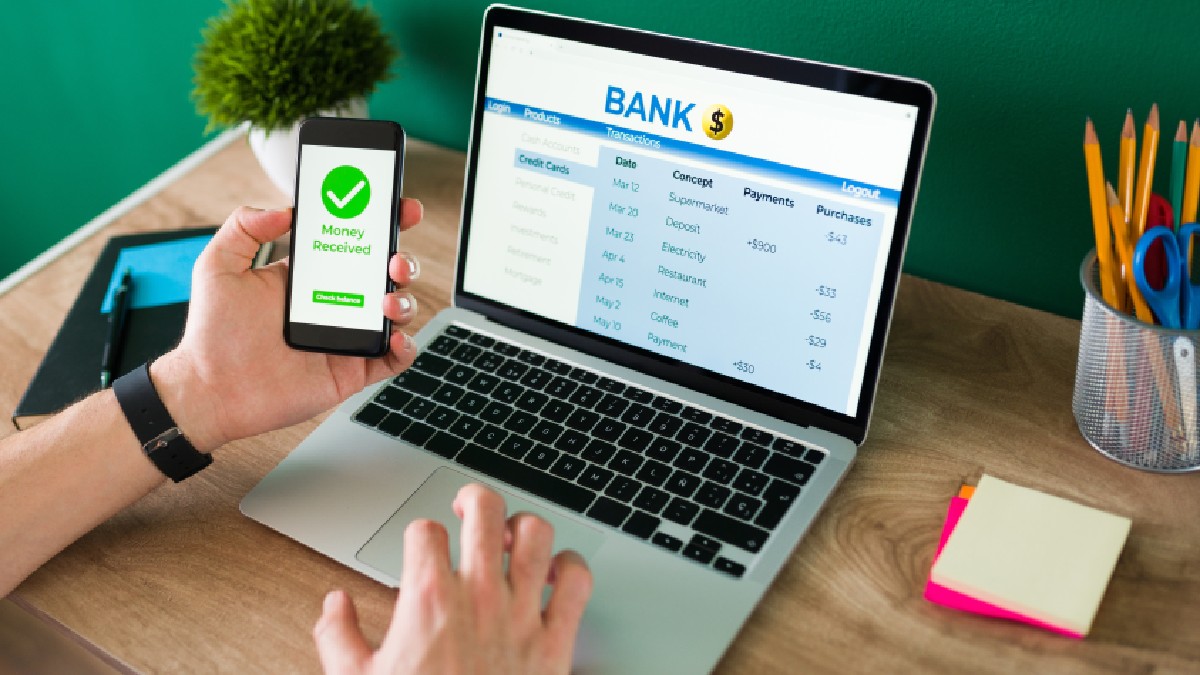
Digital lending has emerged as one of the fastest-growing sectors in the global financial ecosystem. It is expanding financial access, supporting small businesses, and enabling millions of people to obtain credit more easily. At the same time, it also introduces new challenges related to cybersecurity, data privacy, responsible borrowing, and consumer protection.
Understanding both the opportunities and risks of digital lending is essential for borrowers, lenders, and policymakers alike.
What Is Digital Lending?
Digital lending refers to the process of applying for, approving, disbursing, and managing loans entirely through digital platforms such as websites or mobile applications.
Common forms of digital lending include:
- Personal loans through mobile apps
- Business loans offered by FinTech platforms
- Buy Now, Pay Later (BNPL) services
- Instant micro-loans
- Peer-to-peer (P2P) lending platforms
- Embedded lending integrated into e-commerce and digital marketplaces
Unlike traditional lending, the entire customer journey—from application to repayment—can often be completed online.
How Digital Lending Works
Modern digital lending platforms use technology to automate much of the lending process.
A typical digital loan follows these steps:
- The customer submits an application through a website or mobile app.
- The platform securely collects financial and identity information.
- AI-based credit assessment evaluates the applicant's eligibility.
- The system automatically or semi-automatically approves the loan.
- Approved funds are transferred directly to the borrower's bank account.
This technology-driven process significantly reduces approval times from several days or weeks to just minutes or hours.
Opportunities in Digital Lending
Faster Loan Approvals
Traditional loan processing often involves extensive documentation and manual verification. Digital lending platforms automate many of these processes, allowing qualified applicants to receive funds much more quickly.
Improved Financial Inclusion
Digital lending has expanded access to credit for groups that have traditionally faced barriers in obtaining loans, including:
- Small business owners
- Freelancers and gig workers
- Rural populations
- First-time borrowers
- Individuals with limited banking access
By reducing dependency on conventional credit histories, digital lenders are reaching underserved communities.
Reduced Documentation
Most digital lending platforms require only essential documentation, such as:
- Identity verification
- Income information
- Bank account details
This simplifies the borrowing experience and reduces administrative delays.
AI-Based Credit Assessment
Instead of relying solely on traditional credit scores, many lenders use AI to evaluate additional financial indicators such as:
- Transaction history
- Spending behavior
- Income stability
- Repayment patterns
- Alternative financial data (where permitted)
This enables more accurate and inclusive credit decisions while expanding access for customers with limited credit histories.
Micro-Loans and Emergency Credit
Digital lenders often offer small, short-term loans that help borrowers manage:
- Medical emergencies
- Education expenses
- Unexpected household costs
- Working capital requirements
- Short-term business financing
These products can provide timely financial support when traditional lending options are unavailable.
Greater Convenience
Borrowers can apply for loans at any time and from virtually anywhere using smartphones or computers, eliminating the need to visit physical branches.
Risks Associated with Digital Lending
Despite its many advantages, digital lending also presents several risks.
High Interest Rates
Some digital lending platforms charge significantly higher interest rates than traditional financial institutions, particularly for short-term or unsecured loans.
Borrowers should always compare the total borrowing cost before accepting a loan.
Data Privacy Concerns
Digital lenders often collect sensitive personal and financial information.
Potential concerns include:
- Excessive data collection
- Unauthorized data sharing
- Privacy violations
- Inadequate data protection practices
Consumers should carefully review privacy policies before granting permissions.
Cybersecurity Threats
Like all digital financial services, lending platforms may face cyber risks such as:
- Identity theft
- Fraudulent loan applications
- Account compromise
- Data breaches
Strong cybersecurity practices by both lenders and borrowers are essential.
Risk of Over-Borrowing
Because digital loans are easy to obtain, some borrowers may accumulate multiple loans without fully considering their repayment capacity.
This can increase the risk of:
- Debt accumulation
- Missed repayments
- Lower credit scores
- Financial stress
Responsible borrowing remains critical.
Hidden Fees
Some lenders may impose additional costs, including:
- Processing charges
- Late payment penalties
- Convenience fees
- Early repayment charges
Borrowers should always review loan agreements carefully before accepting any offer.
Regulatory Challenges
Regulation of digital lending varies across countries. In some markets, insufficient oversight may expose consumers to unfair lending practices or fraudulent operators.
Choosing licensed and regulated lenders significantly reduces these risks.
The Role of AI in Digital Lending
Artificial Intelligence has become a key driver of innovation in digital lending.
AI enables lenders to:
- Assess creditworthiness more quickly
- Detect fraudulent applications
- Predict repayment risks
- Automate underwriting
- Personalize loan offers
- Improve customer service
While AI enhances efficiency, financial institutions must also ensure transparency, fairness, and compliance when using automated decision-making systems.
Benefits for Businesses and the Economy
Digital lending contributes to economic growth by:
- Improving access to working capital for small and medium-sized enterprises (SMEs)
- Supporting entrepreneurship
- Expanding consumer purchasing power
- Encouraging innovation in financial services
- Increasing overall financial inclusion
Greater access to responsible credit can stimulate business growth and strengthen economic activity.
Digital Lending vs. Traditional Lending
| FeatureTraditional LendingDigital Lending | ||
| Approval Time | Days to weeks | Minutes to hours |
| Documentation | Extensive | Minimal |
| Accessibility | Limited to banking hours and branches | Available online 24/7 |
| Technology | Mostly manual | AI-driven automation |
| Credit Assessment | Traditional credit history | Data-driven evaluation |
| Customer Convenience | Moderate | High |
Tips for Safe Digital Borrowing
To reduce risks, borrowers should:
- Choose licensed and regulated lenders.
- Compare interest rates and total borrowing costs.
- Read loan agreements carefully.
- Understand all applicable fees and repayment terms.
- Avoid taking multiple loans simultaneously unless necessary.
- Protect personal information and account credentials.
- Repay loans on time to maintain a healthy credit history.
Responsible borrowing helps maintain long-term financial stability.
Future Trends in Digital Lending
The digital lending industry is expected to continue evolving rapidly.
AI-Powered Lending
Future lending platforms will increasingly personalize loan offers based on real-time financial behavior and predictive analytics.
Blockchain Integration
Blockchain technology could improve transparency, enhance record-keeping, and reduce fraud in lending transactions.
Cross-Border Digital Lending
Global lending platforms may simplify international borrowing for eligible individuals and businesses.
Embedded Lending
Loans will increasingly be integrated into online shopping, travel, healthcare, education, and business applications, allowing users to access financing directly during purchases.
Smarter Risk Management
Advanced AI models will continue improving fraud detection, credit assessment, and responsible lending practices while reducing default risks.
Digital Lending and Financial Inclusion
One of digital lending's greatest contributions is expanding access to formal credit.
It enables:
- Unbanked individuals to access financing
- Rural communities to obtain digital financial services
- Small entrepreneurs to secure working capital
- First-time borrowers to establish credit histories
- Consumers are to obtain emergency financial support
When implemented responsibly, digital lending has the potential to narrow financial inclusion gaps and promote economic development.
Final Thoughts
Digital lending is transforming the global credit landscape by making borrowing faster, more convenient, and more accessible than ever before. Powered by AI, automation, and mobile technology, it is opening new opportunities for consumers, businesses, and underserved communities.
However, convenience should never replace responsible financial decision-making. Borrowers must carefully evaluate loan terms, protect their personal information, and borrow only what they can reasonably repay.
As technology continues to advance and regulatory frameworks mature, digital lending is expected to become more intelligent, transparent, secure, and inclusive—playing a central role in the future of global financial services.





Comments
Please to leave a comment on this article.