
Computer hackers and cybercriminals are increasingly targeting personal online accounts to gain access to private images and other personal data to take advantage of the personal accounts and their private information are increasing and the FBI has raised alarms from now on about the threat of an account compromise.
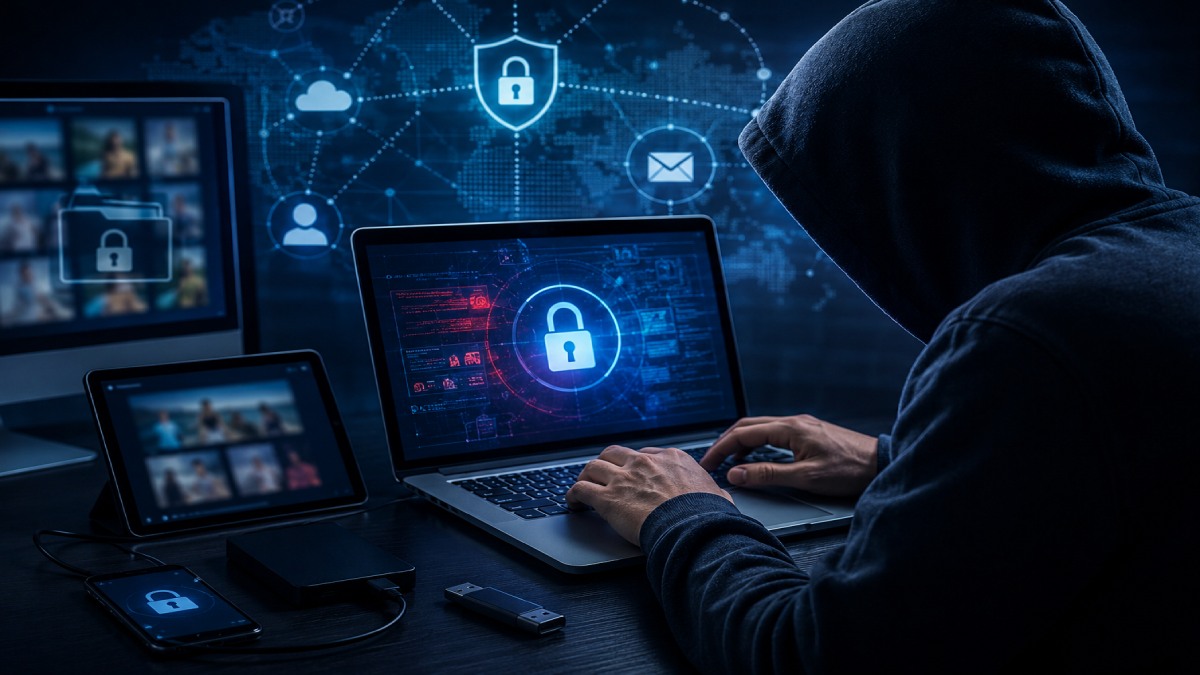
We can also envision email accounts, cloud storage, social media profiles and other digital platforms users use for the storage of personal files if they’re hacked. The FBI has previously reported cases of criminals stealing passwords out of people’s emails and photos from them online using phishing.
One of the biggest fears is that criminals do not necessarily need to have a lot of technical hacking skills to get into your account. Phishing, impersonation, stolen login credentials and other forms of social engineering can be used to take control of your accounts.
In an FBI case as well, a criminal presented himself as an email service administrator and asked victims to provide him with their password. Once those credentials were obtained, the offender was able to access photos (and other private information) in the linked accounts.
And the FBI has also warned more generally that criminals can compromise online accounts through convincing impersonation schemes. And in recent FBI alerts, account-takeover fraud has been widely reported as a fraud where criminals imitate legitimate organisations or support services to persuade people to provide login information.
Private photographs can be very sensitive when criminals have access to them. Stolen images can invade individual privacy, intimidate them or aid other forms of cyber-exploitation. The FBI even warned that images shared or stored online can be stolen or manipulated and criminals can also compromise social media accounts of their victims.
The problem is especially concerning for teenagers and young people. In February 2026, the FBI issued a warning about sextortion schemes targeting minors, saying cases involving young victims were increasing. Such crimes can start on social media, messaging services, gaming platforms, or in other online spaces where people communicate.
Most significantly, victims of image-based exploitation should understand that responsibility lies with the offender, not the person whose private content is stolen or misused. The FBI encourages young people who experience threatening or inappropriate online behaviour to seek help from a trusted adult and report the activity rather than the situation as a whole.
Strong account security is still an important line of defence. Users must have unique passwords for important accounts and multi-factor authentication should be enabled. Always stronger authentication and careful handling of personal information are recommended by the FBI for account compromise.
Users should also be cautious about messages coming from technology companies, email providers, social media platforms or other trusted organisations. A message that asks you to confirm your account information in a hurry, reset your password or click a login link should be treated carefully. Users can also do the same: instead of following an unexpected link, they can just open the official service they use and check their account there.
Another important precaution is to limit the amount of personal information that is made publicly available online. Social media can sometimes help criminals guess passwords or security questions or make convincing impersonation attempts, the FBI has warned.
If someone believes their account has been compromised, changing the password and securing the account should be a priority. Users should also preserve relevant evidence (e.g., suspicious messages or account notifications) and report the incident through the appropriate platform and law-enforcement channels. For serious cybercrime involving U.S. victims, the FBI refers people to its Internet Crime Complaint Center, or IC3.
The FBI’s warnings also point to a larger reality of digital life: photographs and other personal files stored online should not be treated as completely inaccessible to criminals. Cloud services and online accounts are convenient but compromised credentials can potentially expose information users expect to remain private.
Parents, caregivers and educators also have a huge role to play to help young users understand their online privacy. Talk about suspicious messages, strangers contacting them online, password security and asking for help can help young people respond safely when something goes wrong. The FBI is suggesting teens ask for help rather than keep silent because they’re embarrassed or scared.
The latest warnings do serve to remind us that privacy online is a long-term thing that needs monitoring. Cybercriminals can use phishing, impersonation and account takeover strategies to gain access to private information (e.g., photos).
Protecting accounts from fraud, not releasing public information too quickly, being wary of unexpected messages and reporting suspicious activity can help to minimize the risk of a disaster.
As more personal memories and documents are being transferred to cloud-based services, it is important to protect digital accounts. When an account or private information appears to have been compromised, the FBI’s guidance suggests we must treat passwords, authentication codes and private online data as sensitive information and do it immediately.






Comments
Please to leave a comment on this article.