
The world’s oil markets changed quickly as Brent crude prices tumbled from more than $105 a barrel just two months ago to around $79 on Wednesday as a framework deal to re-open the Strait of Hormuz, a strategic passage through which almost 20 percent of the world’s oil is shipped.
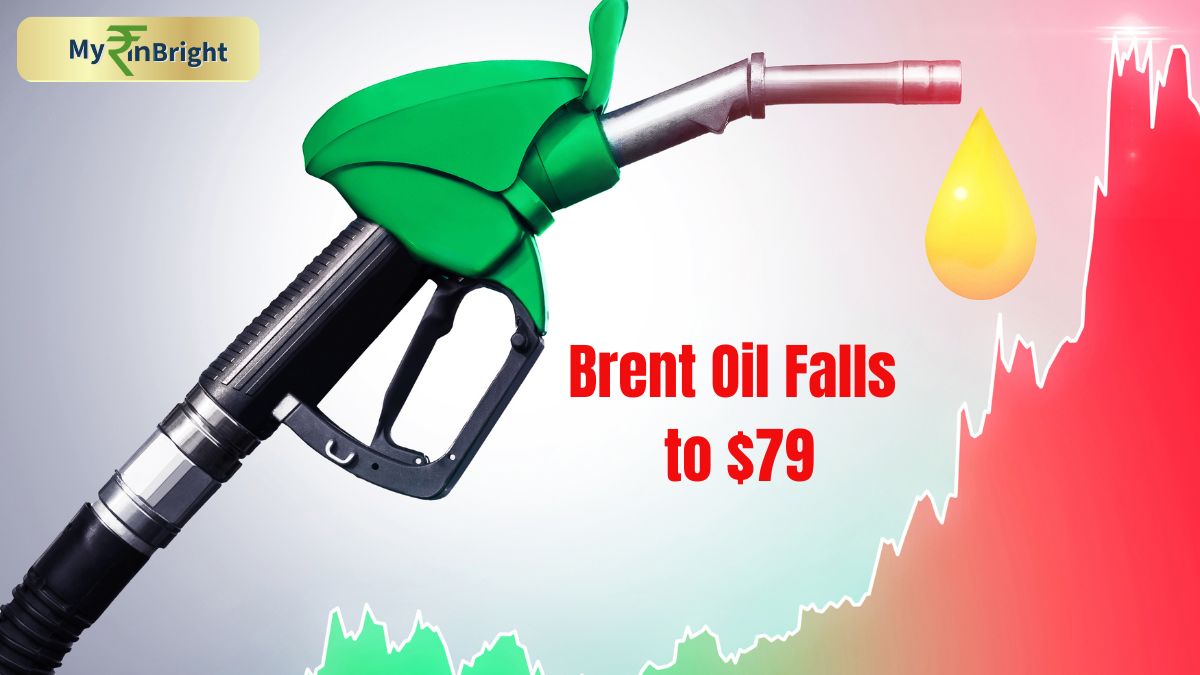
Despite this dramatic fall, Indian fuel prices have not changed since the hikes introduced in May. Petrol in Delhi still prices at ₹102.12 a liter and diesel prices also show no change. This apparent disconnect between global oil prices and domestic retail prices has raised questions among consumers and analysts alike.
Why prices haven’t dropped yet. India’s fuel pricing mechanism is based on a 15-day rolling average of global crude benchmarks from oil prices and freight, refining margins, and taxes. Taxes alone account for more than half of retail price, so they’re a huge buffer against volatility. Yet, officials say, while they say prices go up quickly during global spikes, reductions take longer to be reflected because existing reserves purchased at higher rates must be exhausted first.
But critics say that this system disproportionately affects consumers who see the immediate impact but do not get relief when prices fall abroad. The lag in price adjustments has led to perceptions of asymmetry in the pricing model.

Ethanol Blending and Mileage Concerns. The government’s push for E20 ethanol blending in petrol adds another layer to the debate. Although the initiative is intended to lower reliance on imported goods and reduce pollution, older drivers have expressed concern about mileage and wear-and-tear when it comes to old vehicles. Industry experts admit while newer engines can cope with higher ethanol volumes, older cars will struggle to achieve efficiency.
Outlook. Oil marketing companies have said price cuts are likely to happen in weeks as inventories purchased at higher costs are replaced with cheaper crude. But until then, consumers will continue to pay high rates despite the global downturn.
The situation highlights the complexity of India’s fuel pricing system—in which international market movements, domestic taxation, and policy initiatives converge to determine what consumers pay at the pump.







Comments
Please to leave a comment on this article.