
Income tax is one of the most important sources of revenue for the Government of India. The taxes collected from individuals and businesses help finance essential public services such as healthcare, education, infrastructure, national defense, transportation, and social welfare programs. Paying income tax is not only a legal obligation but also a contribution to the country's economic growth and development.
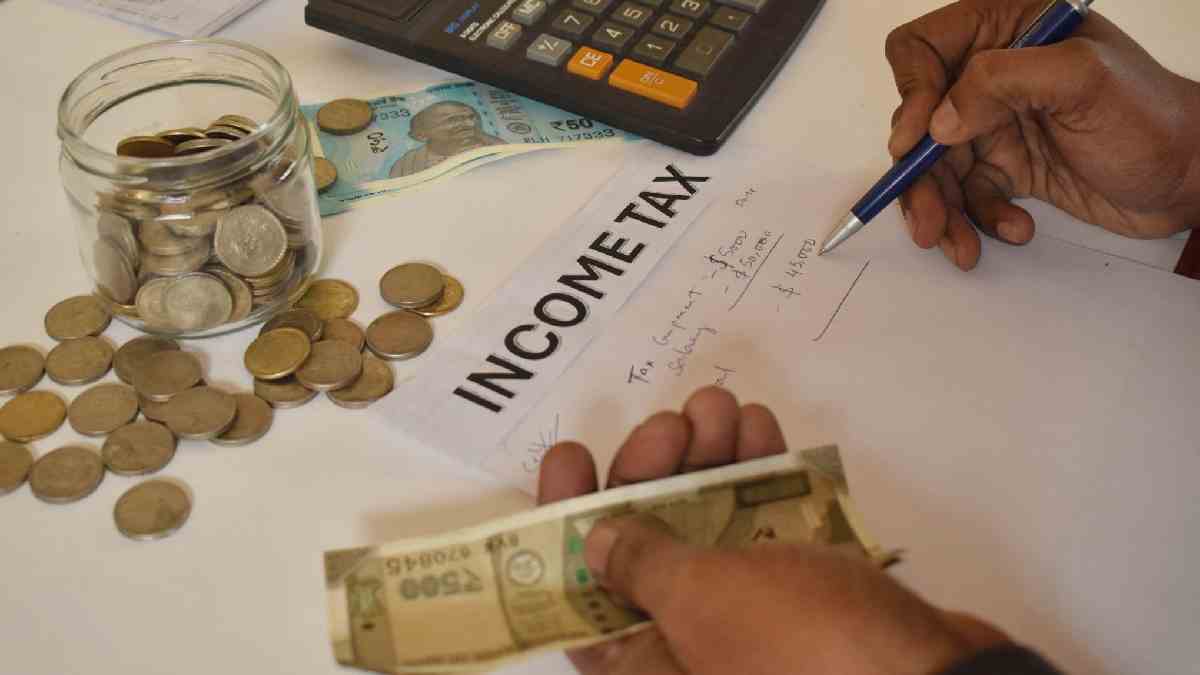
Whether you are a salaried employee, self-employed professional, entrepreneur, freelancer, investor, or business owner, understanding the basics of India's income tax system is essential. A clear understanding of tax rules helps you comply with the law, avoid penalties, make informed financial decisions, and take advantage of available tax-saving opportunities.
This beginner's guide explains the fundamentals of income tax in India and why proper tax planning is important.
What Is Income Tax?
Income tax is a direct tax imposed by the Government of India on the income earned by individuals, Hindu Undivided Families (HUFs), firms, companies, and other taxable entities.
The tax is administered by the Income Tax Department under the Income-tax Act, 1961.
The amount of tax payable depends on several factors, including:
- Total annual taxable income
- Applicable tax slab
- Eligible deductions and exemptions (where available)
- The tax regime selected by the taxpayer
- Applicable surcharge and cess, where relevant
Understanding these components helps taxpayers calculate their tax liability more accurately.
Who Needs to Pay Income Tax?
Income tax applies to individuals and entities whose income exceeds the exemption limits prescribed by the government.
Taxpayers generally include:
- Salaried employees
- Business owners
- Self-employed professionals
- Freelancers and consultants
- Partnership firms
- Companies
- Hindu Undivided Families (HUFs)
Different categories of taxpayers may be subject to different tax rules depending on the nature of their income.
Sources of Taxable Income
Under the Income-tax Act, taxable income is broadly classified into five heads.
1. Income from Salary
This includes salary, bonuses, commissions, allowances, pensions, and other employment-related benefits.
2. Income from House Property
Rental income earned from residential or commercial property falls under this category.
3. Profits and Gains from Business or Profession
Income earned through business activities or professional services, including consulting and freelancing, is taxed under this head.
4. Capital Gains
Profits arising from the sale of capital assets such as real estate, shares, mutual funds, gold, or other investments are treated as capital gains.
5. Income from Other Sources
This includes interest income, certain dividends, gifts taxable under applicable provisions, lottery winnings, and other miscellaneous income.
Correctly identifying each source of income is essential for accurate tax filing.
Old Tax Regime vs New Tax Regime
India currently allows eligible taxpayers to choose between two tax systems.
Old Tax Regime
The old tax regime allows taxpayers to claim several deductions and exemptions under various provisions of the Income-tax Act.
Common deductions may relate to:
- Eligible investments
- Life insurance premiums
- Health insurance
- Home loans
- Retirement savings
- Certain education-related benefits
New Tax Regime
The new tax regime generally offers lower tax rates but provides fewer deductions and exemptions compared to the old regime.
Choosing the appropriate regime depends on an individual's income level, eligible deductions, financial goals, and overall tax liability.
Taxpayers should compare both options carefully before filing their returns.
Why Filing an Income Tax Return (ITR) Is Important
Filing an Income Tax Return (ITR) is important even in cases where little or no tax is payable.
A properly filed ITR serves as proof of income and is often required for:
- Home loan applications
- Business loans
- Education loans
- Visa applications
- Government tenders
- Financial verification
Timely filing also enables taxpayers to claim eligible tax refunds and maintain a clean compliance record.
Tax Deductions and Tax Savings
The government encourages savings and investments through various tax benefits available under the Income-tax Act.
Eligible investments and expenditures may include:
- Retirement savings
- Life insurance
- Health insurance
- Education-related expenses
- Home loan benefits
- Certain notified investment schemes
Proper financial planning throughout the financial year helps taxpayers maximize eligible tax benefits while remaining compliant with tax laws.
Consequences of Non-Compliance
Failure to comply with income tax regulations may result in:
- Penalties
- Interest on unpaid taxes
- Notices from the Income Tax Department
- Delays in processing refunds
- Legal proceedings in serious cases
Maintaining accurate financial records and filing tax returns before the due date helps avoid unnecessary complications.
Use Digital Tax Services
The Income Tax Department has significantly modernized tax administration through digital services.
Taxpayers can now:
- File Income Tax Returns online
- Verify returns electronically
- Check refund status
- Download tax documents
- Update personal information
- Access tax records digitally
Digital tax services have simplified compliance, reduced paperwork, improved transparency, and made tax filing more convenient for millions of taxpayers.
Tips for First-Time Taxpayers
If you are filing your first income tax return, consider these simple practices:
- Keep salary slips and financial records organized.
- Maintain records of investments and eligible deductions.
- Verify tax deducted at source (TDS), where applicable.
- Choose the most suitable tax regime after comparing both options.
- File your return well before the deadline to avoid last-minute issues.
- Keep copies of filed returns and supporting documents for future reference.
Developing good tax habits early makes financial management easier in the long run.
Final Thoughts
Income tax is a vital part of personal financial planning and national economic development. Understanding how India's tax system works enables taxpayers to remain legally compliant, avoid penalties, and make smarter financial decisions.
By maintaining accurate financial records, selecting the appropriate tax regime, filing Income Tax Returns on time, and making informed investment decisions, individuals can reduce financial stress while taking advantage of available tax-saving opportunities.
Rather than viewing income tax merely as a legal obligation, it should be seen as an important aspect of responsible financial management and a meaningful contribution to India's growth and development.





Comments
Please to leave a comment on this article.