
Investment scams are one of the fastest-growing financial crimes globally and cost victims billions of dollars each year.
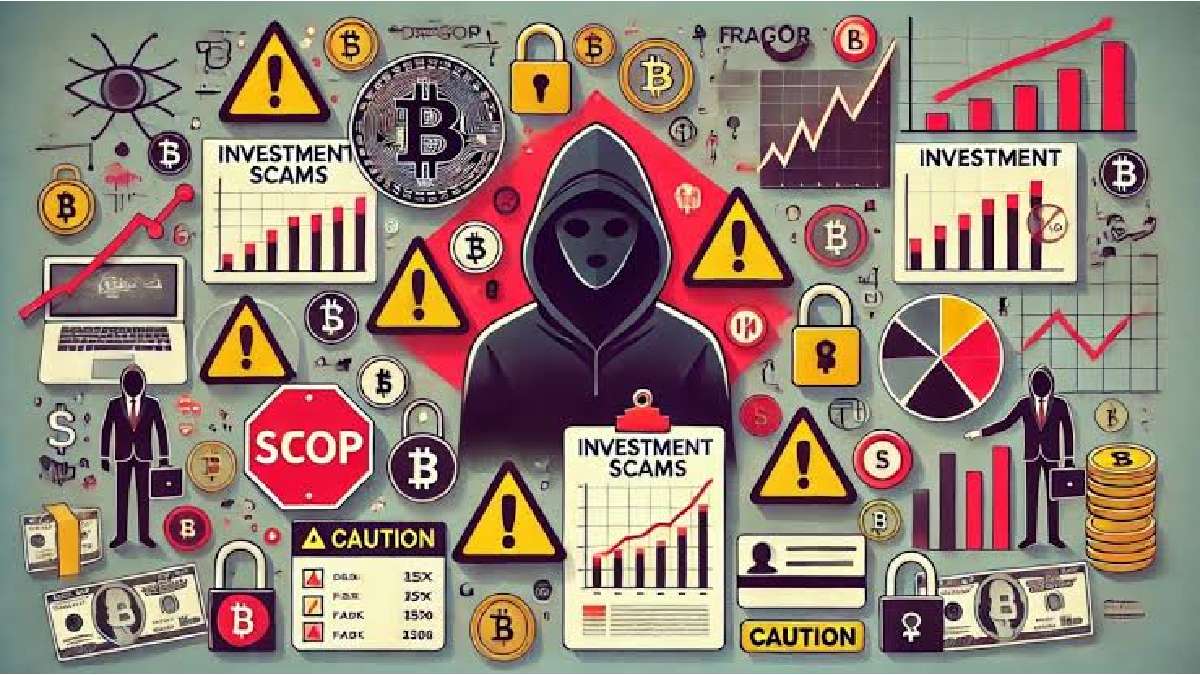
Fraudsters often exploit trust, urgency, and the promise of high returns to persuade unsuspecting investors.
Technology has made investing more accessible, but it has also opened new opportunities for scammers to target people through social media, messaging apps, fake websites, and fraudulent investment platforms.
Most of the scams are Ponzi schemes where fraudsters promise huge returns, which don’t happen and are often far from true.
Rather than making money from the new investors, they are using money from earlier participants to pay the older ones their schemes collapse as new investments slow down, and most victims suffer a lot of financial damage.
Another common one is the fake cryptocurrency investment scam. Scammers create convincing websites or mobile apps that show fake profits.
Victims are encouraged to invest more money after seeing impressive returns on their dashboards. But when they try to withdraw their funds, they are asked to pay additional taxes, fees, or verification charges.
The platform goes to ground along with the investors’ money.
Investment fraud has also spread through social media impersonation scams. Criminals pose as successful financial advisors, celebrities, or business leaders, who offer the buyers a special investment scheme.
They often make up testimonials and doctored screenshots of massive profits. They persuade victims to invest money quickly before the “limited-time opportunity” expires.
A trend is romance investment scams, commonly called “pig butchering” scams. Fraudsters build emotional bonds with victims through dating apps or social media for weeks or even months.
Once they build trust, they are able to offer investment opportunities cryptocurrencies or foreign exchange trading are often the first to emerge for victims. And victims often go through their life savings before they realize they’ve been lied to.
Another well-known fraud is the advance-fee investment scam. In this scam, victims are told that they have made large profits and owe taxes, processing fees, or legal fees before they can withdraw their money.
And after these payments, the promised returns on investment never materialize.
And these case studies reveal some common warning signs.
High returns with no risk, pressure to invest immediately, lack of proper regulatory registration, requests for payment through cryptocurrency or wire transfers, and refusal to provide transparent documentation should all raise suspicion.
Investors should verify the legitimacy of investment firms through financial regulators, research company backgrounds, avoid offers that sound too good to be true, and never invest solely based on recommendations received through social media or messaging apps.
Consultations with licensed financial professionals before big investment decisions can also help avoid costly mistakes.
Investment scams keep coming up, but awareness is the best defense. Investors can protect themselves from fraud with knowledge of common frauds and due diligence.






Comments
Please to leave a comment on this article.