
The Indian government is mulling a landmark reform under its new labor code framework that would require companies, if terminated without misconduct, to pay employees up to six months’ salary as compensation. It is a proposal, although not yet finalized, being discussed as a way to enhance job security and protect employees from sudden layoffs.
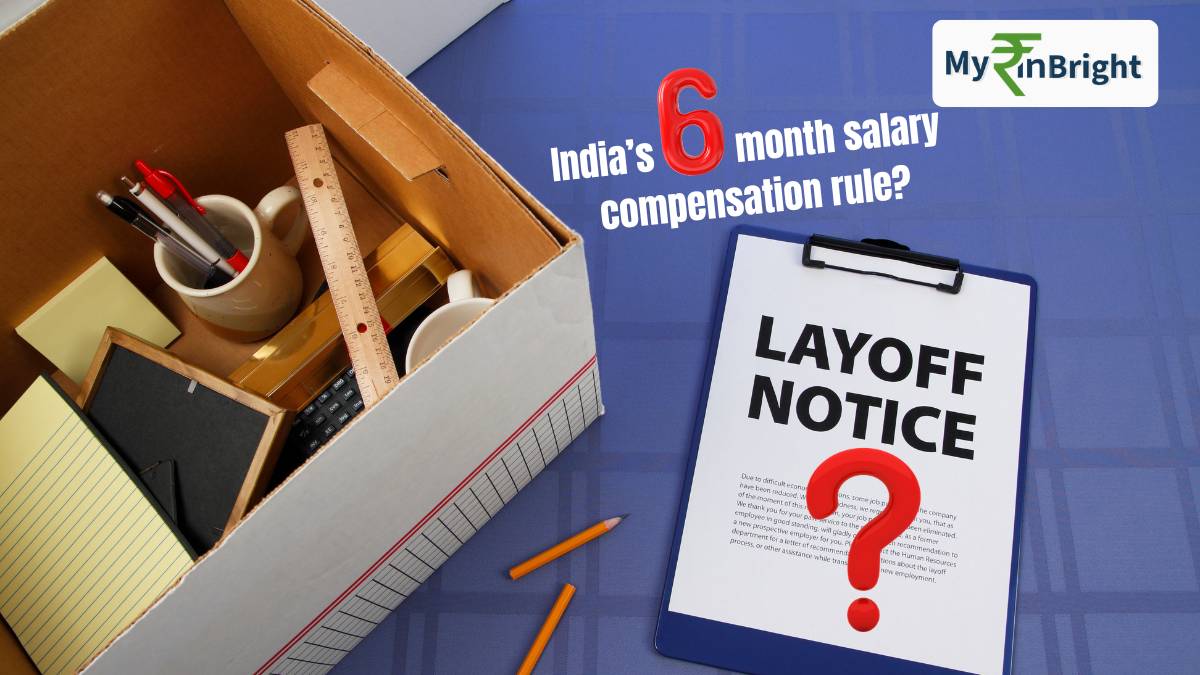
Companies are currently required to provide a one month notice and a one month salary before laying off employees. But some firms pay extra wages based on an employee’s previous experience, typically 15 days’ pay per year of service. The proposed rule would greatly expand these benefits and provide more protections to all employees in the industry.
The reform is specifically aimed at IT, startups, and corporate enterprises, with job instability growing since the pandemic. With frequent restructuring and cost-cutting measures, employees in such sectors have to face rapid job cuts. The government hopes that mandating higher compensation will cushion the financial impact and give workers more time to transition into new roles.
For the most part, business groups supported the proposal in the wake of job market shifts and say fair exit policy is necessary in today’s job market.
As of June 2026, the six-month salary compensation rule is not yet implemented and is still being discussed. If implemented, it would be one of the biggest changes to India’s labor laws in recent years, and it would bring India closer to global standards where severance packages are often more generous.
The proposed labor law reform mandating six months’ salary for those who get fired without misconduct could change India’s employment landscape. It’s still in flux and will be a matter of negotiation, but the government is trying to protect workers from sudden layoffs and improve the financial stability of workers in an ever-changing economy.






Comments
Please to leave a comment on this article.