
The AI boomerang effect is reshaping workplace dynamics as new data show that companies are reversing earlier decisions to cut jobs due to the adoption of artificial intelligence. About 29% of companies have rehired employees who had previously cut jobs and almost 29% of them have now returned employees to jobs they had previously replaced with jobs they had previously fired in recent years.
The initial wave of AI-driven layoffs in 2025 and early 2026 were driven by optimism that automation could replace large swathes of human labor. But many companies are now realizing that human judgment, creativity and interpersonal skills are still essential, particularly for AI tools that cannot deliver the desired results.
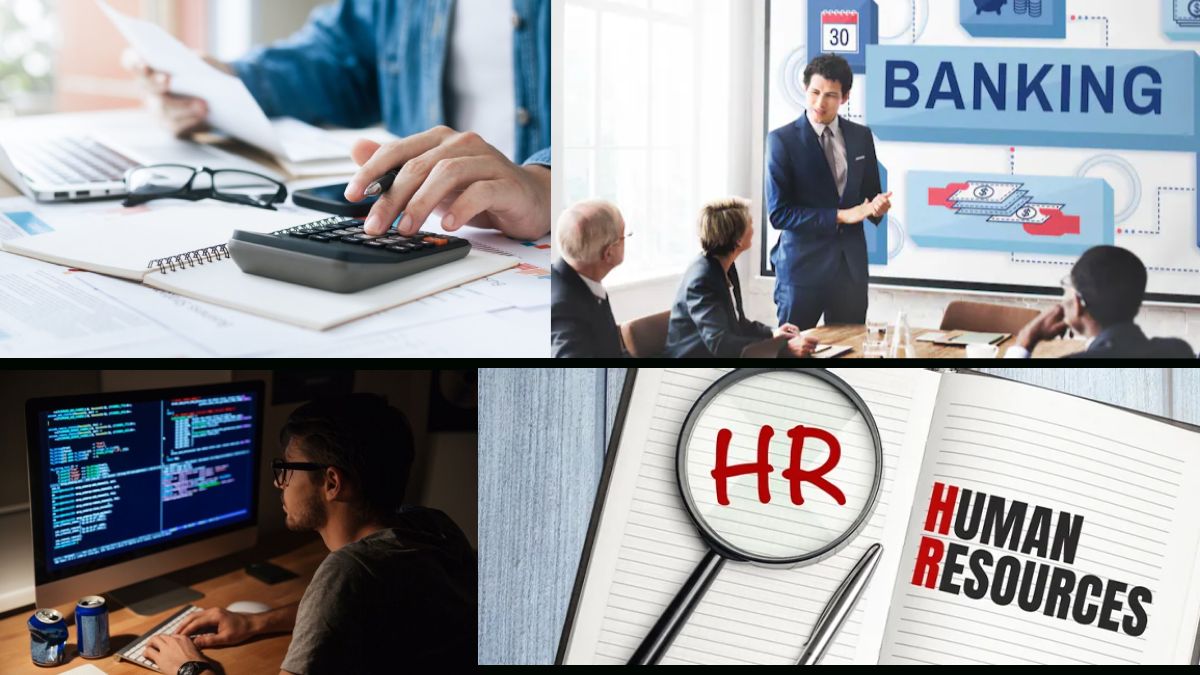
Sectors leading the rehiring trend. Finance: Banks and financial institutions are bringing back analysts and compliance officers because AI models need human oversight to ensure accuracy and regulatory compliance.
Human Resources: HR departments are hiring recruiters and employee engagement specialists, as AI was not able to replicate empathy and nuanced decision making in hiring and workplace culture.
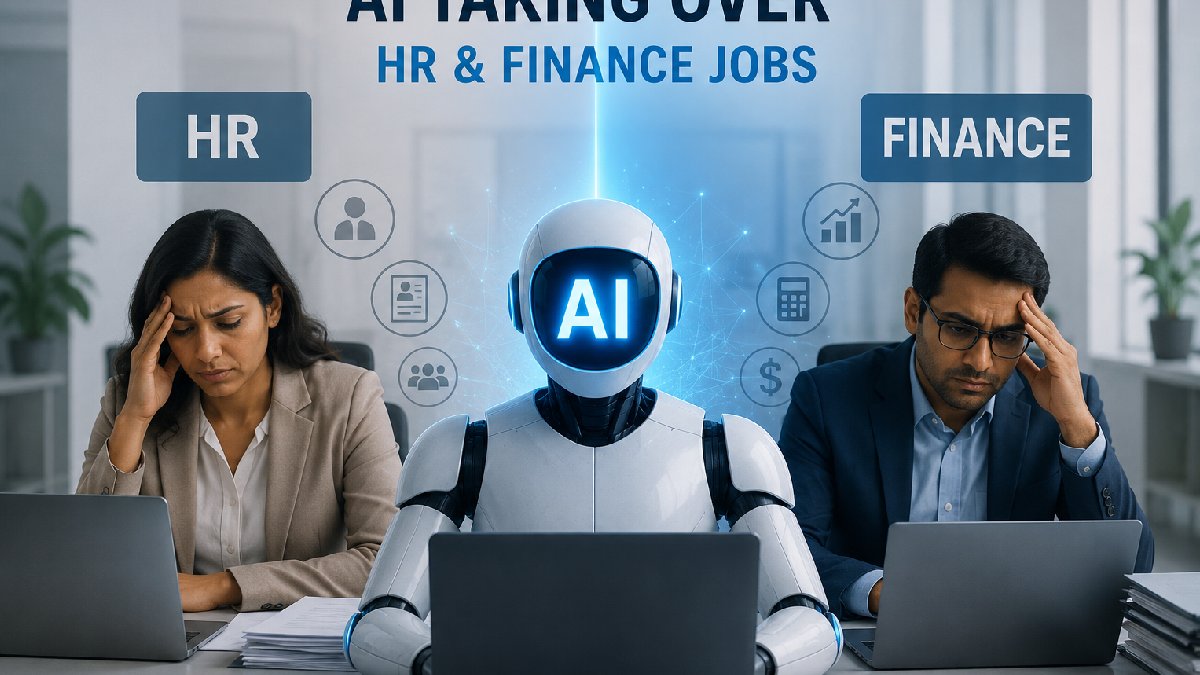
Technology: Tech companies are reinstating engineers and product managers — albeit AI is a strong tool in terms of coding and testing, innovation and strategic direction are still dependent on human leadership.
Why are employers reversing course? The reversal is evidence of AI’s limitations in isolation. Automation does cut repetitive tasks but no more than a bit to the point where the context is crucial to solve complex problems. And there were some responses from customers and employees who were against AI in all aspects and felt that over-reliance on it was killing quality of service and morale at work.
Moreover, the cost savings from layoffs were offset by hidden costs like retraining staff to work with AI systems and addressing errors caused by unsupervised automation. A more balanced approach has resulted (AI augments rather than replaces human workers).
Experts are convinced that the “AI boomerang effect” will continue as more companies look to use hybrid models that marry AI efficiency with human expertise. The trend suggests that the future of work is not really about humans versus machines, but rather humans working with machines to get better results.
In conclusion, the rehiring wave in finance, HR and tech suggests that AI adoption is not a one-way street. So while automation is powerful, human skills are irreplaceable; employers are learning that human skills are so much more important for innovation, compliance and workplace culture.





Comments
Please to leave a comment on this article.