
With the Income Tax Return (ITR) filing deadline much closer than ever, the Income Tax Department has advised taxpayers not to wait until the last minute. In the department’s latest update of July 27, more than 4 crore income tax returns (ITRs) have been filed for AY 2026-27, and the response rate on the part of the public is high.

The department said more than 20 lakh ITRs were filed in the last five days, a sign of an increase in filing activity as the deadline approaches. The department also reminded taxpayers to finish the process early and to avoid the rush closer to the due date, it said on social media platform X.
July 31 is the deadline for many taxpayers
In the Income Tax Department's filing schedule, July 31, 2026, is the last date for filing ITR-1 and ITR-2 by individual taxpayers and Hindu Undivided Families (HUFs) who are not required to undergo a tax audit.
Taxpayers falling under these categories should prepare their returns and e-verify before the due date to avoid penalties and the loss of some tax benefits.
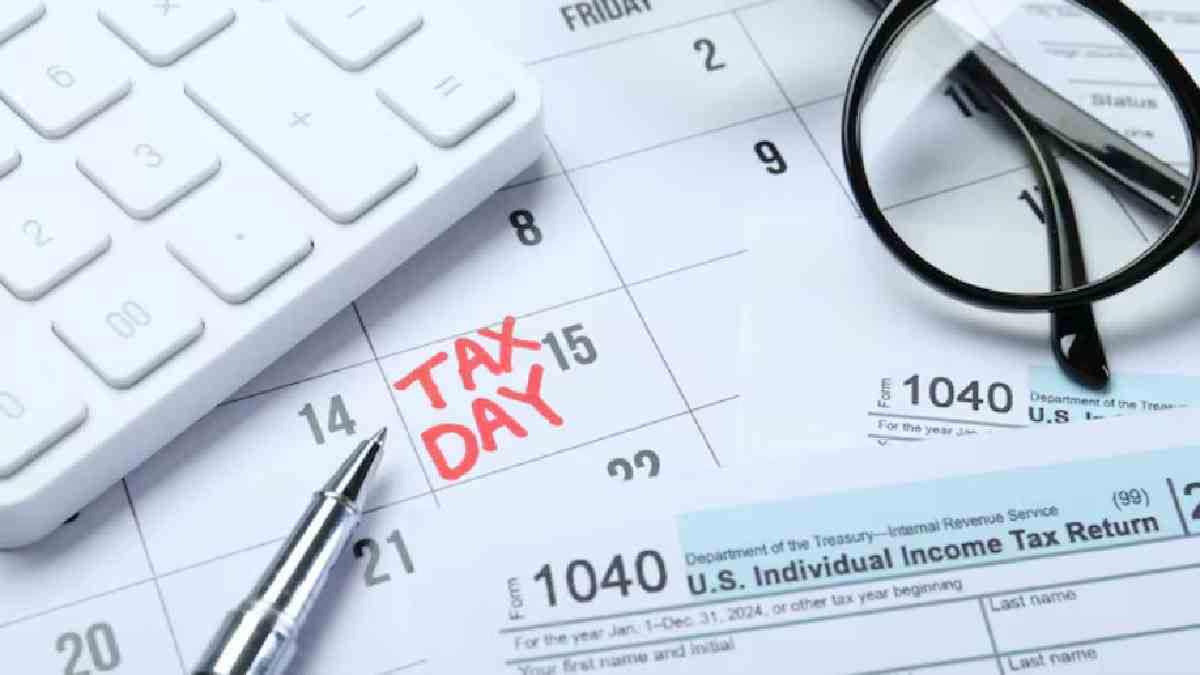
Other important ITR Due Dates
The Income Tax Department has announced different deadlines for the type of taxpayer and return:
ITR-1 & ITR-2 (Individuals/HUFs - Non-Audit): July 31, 2026. ITR-3 (Non-Audit): August 31, 2026. ITR-4 (Non-Audit): August 31, 2026. ITR-3 (Tax Audit Cases): October 31, 2026. ITR-4 (Tax Audit Cases): October 31, 2026. Transfer Pricing Cases: November 30, 2026. Essential Documents Required Before Filing
Tax experts suggest that before filing anything, all documents are gathered and that errors are noted and avoided in the filing.
Some of the important documents are:
PAN Card
Aadhaar Card
Form 16 issued by employer
Bank account statements
Interest certificates from banks
Donation receipts eligible for tax deduction
Life and health insurance premium receipts
Stock and mutual fund transaction statements
PAN-linked bank account details
Aadhaar-linked mobile number for OTP-based e-verification
All of these documents are in stock for taxpayers to file accurate returns, along with a low risk of errors, so they can submit accurate returns and reduce the likelihood of errors.
What happens when we miss the Deadline?
Taxpayers who did not file their income tax return by the original due date are still allowed to submit a belated return.
The last date to file a belated return for AY 2026-27 is December 31, 2026.
But filing after the original deadline has financial repercussions.
Late Filing Fee
Under Section 234F of the Income Tax Act:
- Taxpayers may have to pay a late filing fee of ₹5,000.
- If the taxpayer’s total income is not more than ₹5 lakh, the maximum late fee is limited to ₹1,000.
Apart from the late fee, interest under Section 234A is also applicable.
A taxpayer will have to pay 1% interest per month or part of a month on any outstanding tax liability until the payment is completed.
Missing the Deadline could mean losing important tax benefits
One of the biggest disadvantages of filing a belated return is the loss of the ability to carry forward capital losses.
If a person has incurred losses from selling shares, mutual funds, or other capital assets during Financial Year 2025-26, those losses can normally be carried forward for up to eight assessment years and adjusted against future capital gains.
However, this important tax benefit is available only if the Income Tax Return is filed within the original due date.
Taxpayers who miss the deadline lose the opportunity to carry forward these capital losses.
There is, however, one exception.
Losses arising under the house property category can still be carried forward even if the return is filed after the due date, subject to the provisions of the Income Tax Act.
Belated Return vs Revised Return
When taxpayers do not understand that a belated return is different from a revised return, they look for different things.
A belated return is filed if the taxpayer misses the original due date.
A revised return, on the other hand, is for taxpayers who have already filed their return but later discover an error, omission, or incorrect information and wish to rectify it.
Knowing this distinction can help taxpayers avoid unnecessary confusion while complying with tax laws.
File Early to Avoid Last-Minute Issues
In the final days of filing returns, when millions of taxpayers file returns, technical problems, very high traffic on the income tax portal, and document verification are common. Filing well before the deadline allows time to correct errors, complete e-verification, and avoid penalties in advance.
The July 31 deadline is coming, so eligible taxpayers are advised to file their Income Tax Return quickly and ensure all necessary documents are in place.







Comments
Please to leave a comment on this article.