
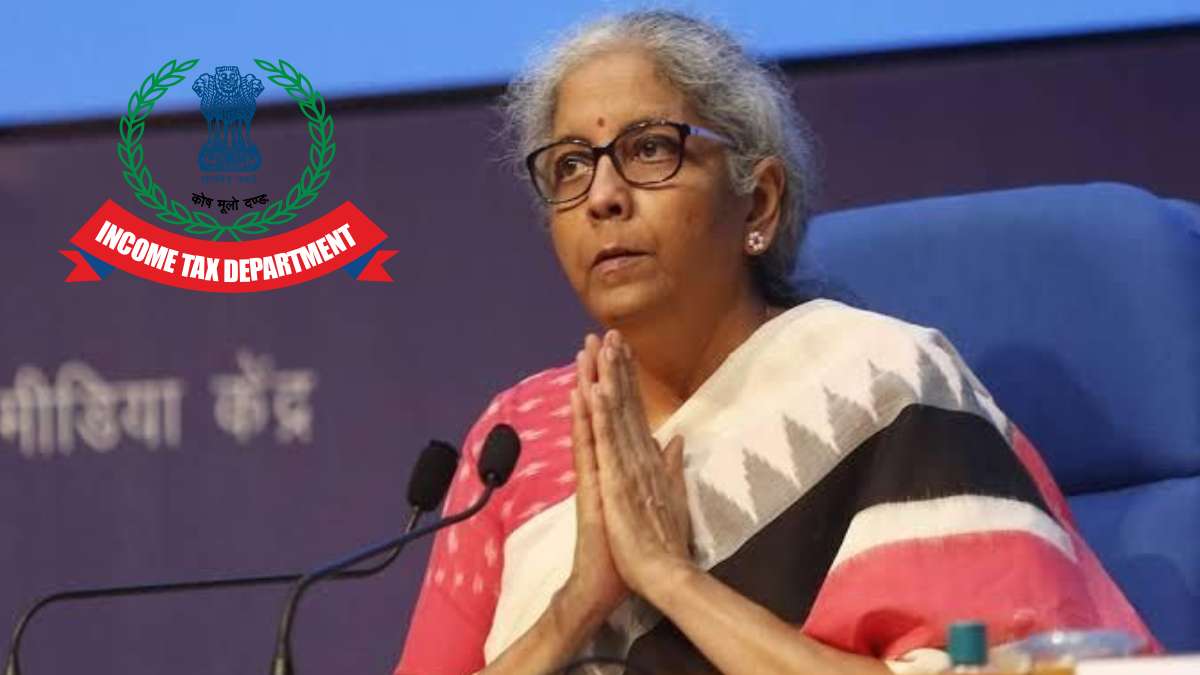
Finance Minister Nirmala Sitharaman’s strong message to the Income Tax Department is that the process for honest taxpayers who pay tax must be made easier as a matter of course and therefore, she has requested measures to make it so that the compliance is easier for honest people to do so. She said in a recent review meeting with senior officials that the tax system should be designed to reward honesty and transparency rather than make people go through a lot of pain as part of the process and be hard work.
Focus on Simplification
Sitharaman said India’s tax administration needs to continue to shift towards digital ease and simplified processes. With millions of taxpayers filing returns every year, she said, it’s essential that paperwork be reduced and documentation simplified and compliance not imposed on those who are already following the law.
Encouraging Voluntary Compliance
Honest taxpayers form the backbone of India’s revenue system, the Finance Minister said. By making compliance easier, the government aims to push more people and businesses to file returns voluntarily, thereby widening the tax base. She called for officials to adopt a “trust‑based approach”: taxpayers are partners in nation‑building rather than suspects.
Technology and Transparency
Sitharaman also pointed out technology can be used for making efficiency better. The Income Tax Department already has faceless assessments, e‑filing portals, and AI‑driven scrutiny systems. She added that officials can further leverage these tools to minimize human input, curtail harassment, and resolve cases more quickly.
Protecting Honest Taxpayers
The Finance Minister cautioned against the intrusion into the compliance of compliant taxpayers. Enforcement should be aimed at deliberate evaders; real taxpayers should be helped and supported in an orderly manner, she said, to build trust in the system.
Broader Context
Her comments come at a time when India is seeking to have higher tax compliance to fund infrastructure, welfare, and digital transformation initiatives. The CBDT (Central Board of Direct Taxes) is also currently working on new guidelines, so Sitharaman’s directive will form the basis for tax reform that will take form in the future.
Finance Minister Nirmala Sitharaman is a good example of this in the spirit of making the system transparent as well as efficient in terms of cost and time to have good quality compliance and the government must now make it easier for citizens to get on board. Such an approach is expected to build confidence in people, make filing voluntary, and increase India’s revenue base without compromising trust.






Comments
Please to leave a comment on this article.