
Gold is one of the safest investment options in times of economic uncertainty.
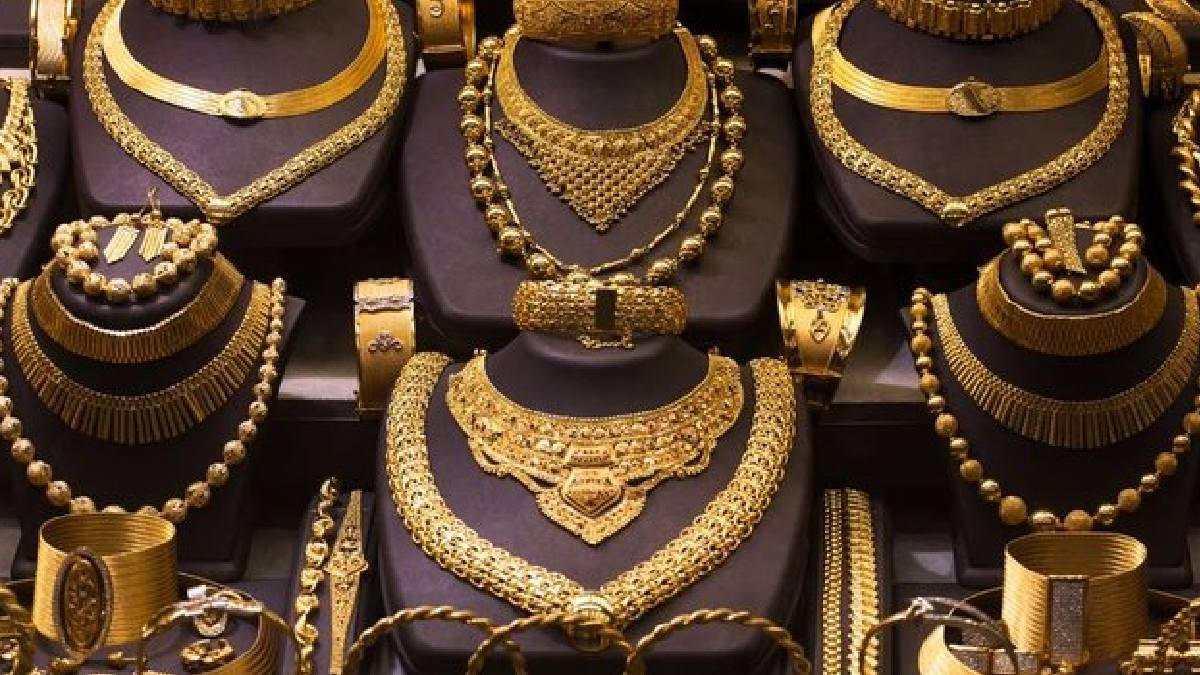
Gold prices are not fixed but fluctuate daily due to global and domestic factors. From gold jewelry to gold ETFs and digital gold, they are influenced positively and negatively by one another.
There is global economic uncertainty of gold prices which is now the biggest factor that affects gold prices. Investors tend to move money from riskier assets like stocks in a financial crisis or recession or a global conflict like wars to gold because gold is very safe. So gold prices increase.
Another big factor is inflation. Gold is often seen as a hedge against inflation because its value is relatively robust if the purchasing power of paper currency decreases.
Gold is usually priced for inflation so that demand for gold increases and thus it is more expensive.
Interest rates also play a key role in gold prices. When central banks such as the U.S. Federal Reserve or RBI raise interest rates, fixed-income investments become more attractive, and so investors will sell gold and prices will fall. But lower interest rates will tend to boost gold prices.
The U.S. dollar’s strength is important because gold is traded globally in dollars. A stronger dollar is more expensive for global buyers so demand and prices of gold are lower.
A weaker dollar is more likely to drive gold demand and prices up.
In the gold market, politics as well as wars, political instability, and international trade disputes have an impact. Investors in times of uncertainty are looking for safe-haven assets and hence gold is the best one.
In India, domestic demand during festivals and wedding seasons strongly influences gold prices. Diwali, Akshaya Tritiya, and the wedding season typically see a surge in gold purchases, which in turn drives local demand.
Gold prices are influenced by government policies such as import duties and taxes. And since a huge amount of gold is imported into India, any changes in customs duty or GST will also impact retail prices.
Another factor is central banks buying and selling. Central banks’ gold reserves increase global demand, which is usually a big part of the reason that the price goes up.
Large-scale selling by central banks can have the opposite effect.
And prices are influenced by supply and mining production. If gold mining output suffers due to operational problems or environmental regulations, lower supply can lead to higher prices.
Finally, market speculation and investor sentiment influence short-term price movements.
Large institutional investors and traders can influence gold prices through futures and derivatives trading.
Gold prices are determined by the global economy, domestic demand, government policies, and market sentiment, the investors should know.
Tracking these factors can assist with decision making when and how to invest and why gold prices change from day to day.





Comments
Please to leave a comment on this article.