
Gold was up as we watch next week’s US inflation data for clues to when the Fed will next rate up. The latest rally has put the precious metal in front of the market for the next few months and investors are watching economic data for signs of how monetary policy will change.
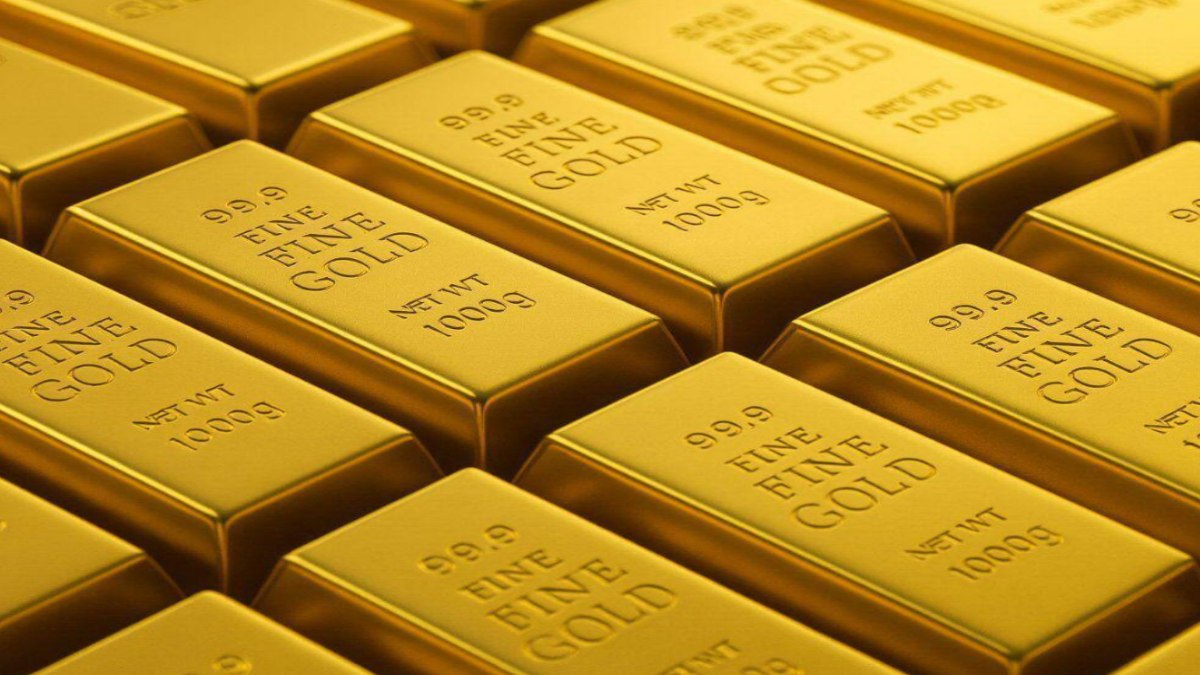
Gold has been supported by changing expectations about interest rates, moves in the US dollar and broader demand for safe-haven assets. Bullion has scored in three sessions in a row and has risen the most in more than two months and the market is up 0.2 percent.
The US inflation report will be key since inflation is still one of the key considerations for the Federal Reserve in deciding when to adopt monetary policy. Higher-than-expected inflation readings could reinforce fears of persistent price pressures and potentially raise expectations for interest rates. On the other hand, lower inflation could increase expectations for a more accommodative policy outlook.
Gold traders are closely following interest rates and bullion prices. Gold does not earn interest income, so, when interest rates rise and bond yields rise, the opportunity cost to hold gold becomes larger. If interest rates rise and gold prices are expected to be lower (it is more attractive than interest-bearing assets), gold can be more attractive.
The US dollar is also a key factor in the gold market. International gold is traded in dollars so fluctuations in the value of the US dollar can affect the demand for gold by the gold buyers who buy it in other currencies. A weaker dollar can make gold cheaper for international investors, thus supporting prices of gold.
The bullion market conditions are more stable and bearish bullion has been supported by the current market conditions have also received some support in recent months. Investors have been sizing up the market as indicators of economic uncertainty, monetary-policy expectations, and geopolitical developments are in demand while looking for stocks with more diversification in times of market volatility and for assets that can offer diversification in the event that market volatility.
The imminent inflation data could therefore act as a key short-term catalyst for precious metals. Traders are likely to look at headline inflation and underlying price pressures to see if inflation is moving closer to or further away from the Federal Reserve’s desired path.
Data on the data could also influence expectations for upcoming Federal Reserve meetings. If inflation is showing signs of cooling, markets can also raise expectations that policymakers will be able to lower borrowing costs in the long run. Such expectations can be positive for gold because lower rates will make yield-generating assets less attractive to gold as a whole.
On the other hand, unexpectedly strong inflation could set off a different reaction to the market. Higher-than-expected price pressures could make investors rethink whether rate hikes are likely to happen or not. A stronger dollar and higher Treasury yields, in such a case, would be headwinds to gold.
The Federal Reserve’s policy outlook has already been a major source of volatility for financial markets this year. The central bank has had to trade inflation risks against economic growth and labor market conditions. Its decisions have therefore grown increasingly closely linked to incoming economic data.
Gold’s recent advance shows just how sensitive precious metals are to changes in expectations regarding US monetary policy. The World Gold Council also noted that the relationship between gold, interest rates, yields and the dollar is not always simple and that market conditions and bigger economic risks weigh on bullion.
For investors and traders, the $4,400 level has become an important psychological reference point following the metal’s strong performance. Movement around major price levels will attract more attention from the market and therefore more volatility might emerge.
But gold prices can change rapidly in response to economic releases, currency movements and central-bank communication. So the upcoming inflation report will therefore be closely monitored across financial markets.
For now the precious metal remains firmly in the spotlight as traders wait for more clarity on the direction of US inflation and the Federal Reserve’s next policy move. How soon gold can hold onto its recent momentum will depend on how the new data will change expectations about interest rates, the dollar and the wider economy.




Comments
Please to leave a comment on this article.