
In a major breakthrough against cybercrime, police have arrested an 18-year-old Class 11 dropout from Uttar Pradesh for using artificial intelligence (AI) tools and online learning resources to develop fake Android banking applications allegedly used by cybercriminals to target unsuspecting users across India.
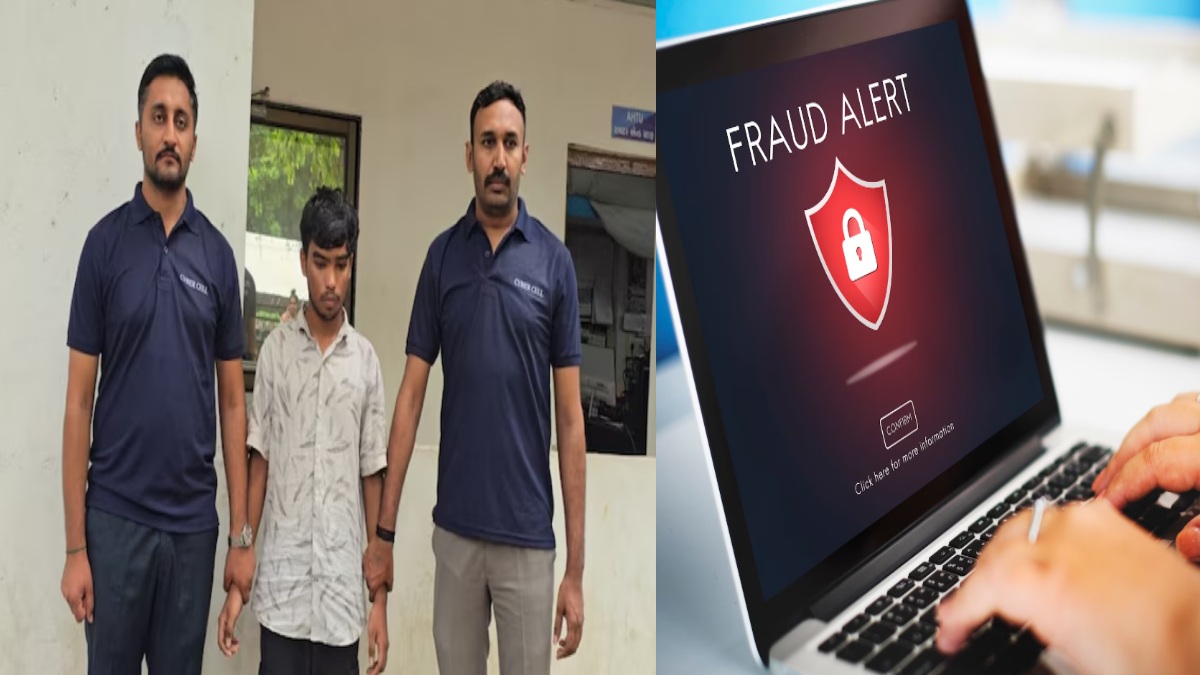
Investigators say the teenager learned Android application development primarily from YouTube videos and AI-assisted coding platforms and subsequently developed a huge number of fake mobile applications that impersonated banks, government schemes and popular digital services.
The fake apps were then handed over to organized cybercrime groups using encrypted messaging platforms to conduct a mass phishing campaign that has been estimated to have cost the companies hundreds of thousands of dollars.
The officials said that the accused made 121 fake Android applications that were almost identical to genuine apps which were used by the State Bank of India (SBI), Punjab National Bank (PNB), Axis Bank and government services such as PM-Kisan and other popular digital platforms. The fake applications copied the design, logos and user interface of authentic apps and most people would not recognize them as fraudulent.
The applications were sent from cybercriminals to victims by way of malicious links via text messages, messaging apps, social media and other online means, police said. Once installed, the fake apps would ask users to enter some sort of information such as Internet banking information, debit card information, PINs, passwords and one-time passwords (OTPs), which were then used to obtain the victims’ bank accounts and make unauthorized financial transactions.
Police say the accused had marketed the apps to cybercrime gangs via Telegram, where access to newly developed phishing apps was offered on a subscription model. Digital evidence could also show who distributed them and who had organized the fraud.
The case has highlighted the potential and risks of artificial intelligence. AI-powered code assistants have made the development of software easier and easier so that beginners can write code with limited formal training. For all the progress made in education and innovation with the tools, police say they can be used to facilitate cybercrime if used illegally.
Phishing apps have advanced technologically in recent years according to cybersecurity experts. Some fake apps now have official branding, login screens and navigation menus that are very similar to real apps and are so well-written that they are hard for the users to distinguish genuine applications. As mobile banking grows, criminals are targeting smartphones to steal financial information.
Experts recommend users to download applications from official app stores only, and to check the developer's name before installing apps and verify the developer's identity before starting them. Users should avoid installing apps that are sent through links in unsolicited messages and social media messages that appear to be from trusted organizations even if they look like they are from a trusted organization.
As such, they also recommend that users should activate multi-factor authentication where possible, update mobile operating systems regularly, and avoid sharing passwords, PINs, or OTPs with anyone, too, and protect them from sharing passwords, PINs or OTPs with anyone else. Banks and government agencies do not request confidential financial information through unofficial applications or unexpected messages.
Law enforcement agencies have intensified efforts to combat cybercrime by strengthening digital forensic capabilities and coordinating investigations across multiple states. Electronic devices seized in the investigation are now being scientifically analyzed for source code, communication records, financial transaction data and other digital evidence that can help to find the larger criminal network, officials say.
The incident also underscores the growing importance of digital literacy. And as more essential services -- banking, healthcare, education, government programs -- move online, users need to be cognizant of the rising sophistication of online scams.
Technology experts underscore that artificial intelligence is not the cause of cybercrime; it is a powerful tool whose use depends on how it is used. AI has sped up science, software development, healthcare innovation and education, but is also a threat for phishing, malware creation and online fraud to law enforcement and cybersecurity professionals.
INDIA: Police have arrested an 18-year-old accused of helping run a ₹64 crore cyber fraud network.
— The Crypto Times (@CryptoTimes_io) July 22, 2026
Authorities say he learned Android app development through YouTube and AI tools, then created 121 fake apps impersonating SBI, PNB, Axis Bank, PM-Kisan, BigBasket, RTO challan,… pic.twitter.com/szGqMbFx7p
Police have confirmed that the investigation is ongoing, with the focus of investigating other suspects, dismantling the alleged cybercrime network and identifying victims. In addition, authorities are working to recover stolen funds and prevent future phishing attacks.
The case is another reminder of how technology is changing and that both individuals and institutions need more awareness of cybersecurity. Responsible use of AI and safe digital practices will be crucial in protecting people from ever more advanced online threats.






Comments
Please to leave a comment on this article.