
Lenskart Solutions shares fell 3% on Friday as the eyewear company’s big block deal drew investor interest. The stock fell about 3% on the Bombay Stock Exchange to around ₹614 and a company that was owned by Alpha Wave Ventures II is selling a stake worth up to ₹1,313 crore.
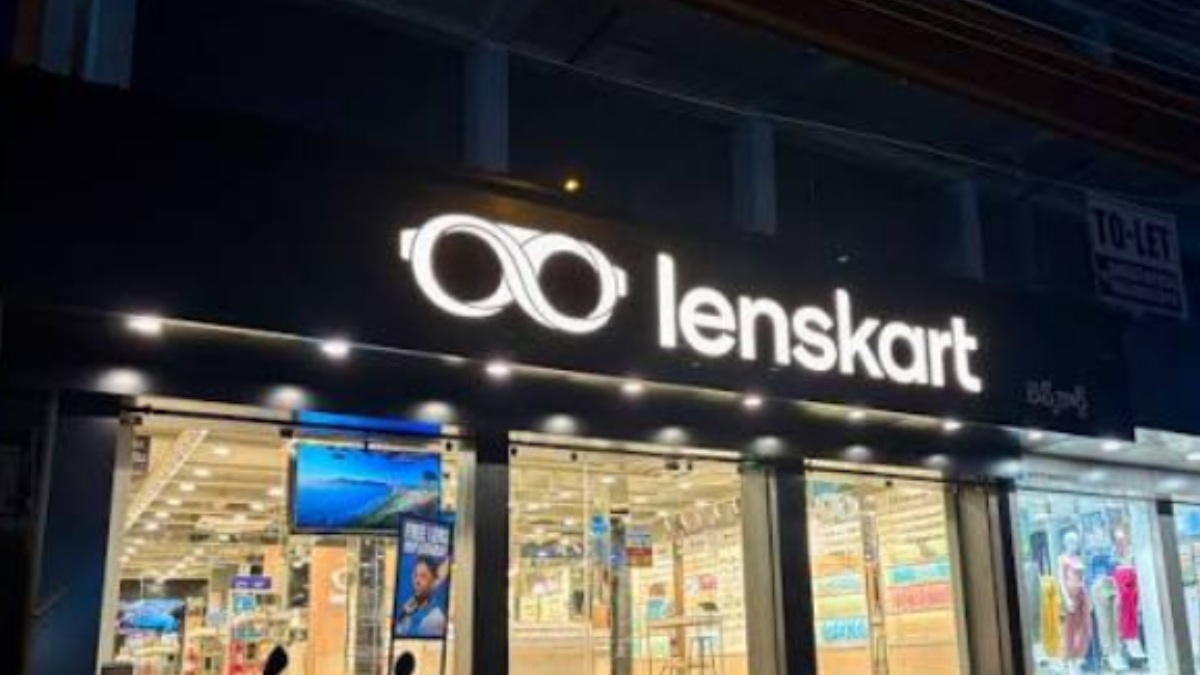
The deal is for nearly 2.08 crore shares, or about 1.2%, of Lenskart’s shares and the issue is closed in the United Arab Emirates, the company’s home country.
The proposed transaction was priced at a floor price of ₹630 vs Lenskart's closing price of ₹640.60 at NSE. At the floor price the deal is estimated to be worth about ₹1,313 crore or $137 million. This is a secondary transaction, i.e. the shares are sold by an existing shareholder, not Lenskart. So the sale proceeds will go to the selling investor (not Lenskart) not the company.
Alpha Wave Ventures II held 2,12,39,111 Lenskart shares at the end of the quarter ended June 30, 2026, a 1.22% stake, according to exchange-related information published by financial publications. The proposed sale of up to 20.8 million shares therefore represents most or possibly all of the investor's reported holding at the end of this quarter.
The block deal is a good one for Lenskart, which has posted strong financial results recently. The company reported a big jump in profitability in the first quarter of fiscal 2026-27. Its profit after tax also increased significantly from the year-earlier period and revenue from operations increased to ₹2,714 crore from ₹1,894 crore in the same quarter in the previous year. EBITDA also increased significantly, demonstrating strong operating momentum.
The timing of the stake sale has therefore attracted the attention of market participants. On the one hand, the transaction can create short-term selling pressure as a large number of shares becomes available in the market. On the other hand, a secondary sale by an existing investor does not directly reduce the company's cash balance or affect its operating performance. The key question for investors is how the market absorbs the additional supply of shares and whether the stock can stabilise after the transaction.
Lenskart has also been in the spotlight since its stock market debut in November 2025. An initial public offering of ₹7,278 crore was made by the company and a sale of stock to existing shareholders was made as well. Its shares were at ₹395 on the NSE in comparison with IPO issue price of ₹402. A few weeks back the stock had already climbed well above the IPO issue price and since listing (August 27, 2026) it has attracted huge attention.
The latest block deal is part of the larger trend of existing investors monetising stakes in recently listed companies. Such transactions can happen for many reasons such as portfolio rebalancing, profit realisation, fund-level liquidity needs or completion of investment cycles. A sale of one investor’s stake does not necessarily signal a negative view of the company’s business prospects (although the size and pricing of a transaction can affect short-term market sentiment).
Lenskart is more likely to be able to absorb the block transaction and still maintain confidence from the investor. And as business performance has grown in recent years (which is a good thing), investors will be watching for revenue growth, profits, store growth, digital operations and consumer demand.
The transaction also illustrates the difference between primary fundraising and secondary stake sale. In a primary issue, a company generally receives funds by issuing new shares. As such, the transaction reported here is secondary, meaning that the selling shareholder receives the proceeds. So the deal itself does not provide new capital to Lenskart for expansion or other corporate purposes.
Lenskart's business grew through online and offline channels, it describes itself as a technology-driven eyewear operation. The company is also in India and has entered a few international markets as a group, its corporate website says. Lenskart official website
The share-price drop is another example of the way large shareholder transactions shape market sentiments even when those who have a good business can still have a big effect on shareholders in spite of excellent performance. Investors will now look at trading volumes, further disclosures and the company’s financial performance to see if the recent pressure is temporary or sustained.
For now the ₹1,313-crore block deal has put Lenskart in the spotlight. Alpha Wave Ventures II is seeking around 1.2% of the company’s stock and shares of Lenskart fell around 3% in Friday’s trading and so the deal will be a very key point for market participants. At the same time Lenskart’s strong recent revenue and profit growth will be important in assessing the company’s future prospects.






Comments
Please to leave a comment on this article.