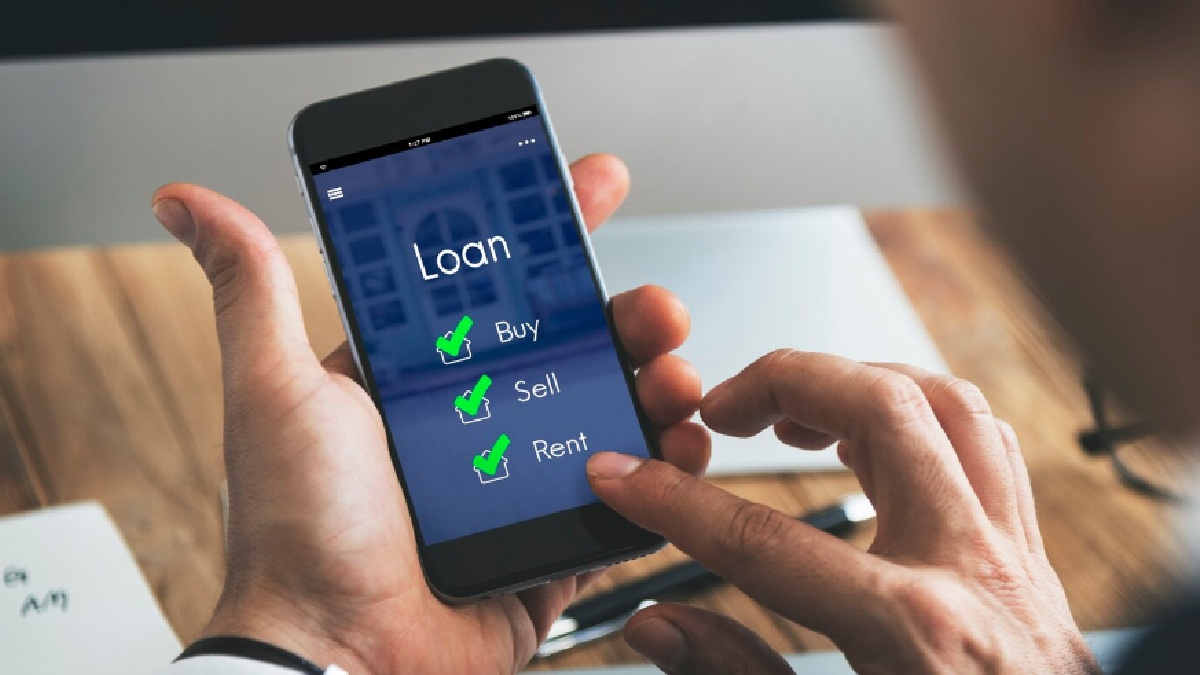
More and more loans are issued as we borrow more than one loan each month, and so is an ever-increasing share of people who are managing more than one loan, whether it’s a home loan, education loan, personal loan, car loan, or outstanding credit card balance. Although borrowing is good for your living life, if you can’t get rid of this and you don’t manage to balance them every month, juggling multiple EMIs every month with your money can cause you to put pressure on your finances for years to come, if you don’t manage it wisely.
The good news is, debt doesn’t have to dictate your financial future. With disciplined repayment habits and smart planning you can cut interest expense, protect your credit and create a strong financial footing. Here are 5 ways to stay ahead of your debt instead of letting it overwhelm you.
How much debt is in your debt?
The first thing to do is to know your monthly repayment obligations. Add all your EMIs– home, vehicle, education, and personal loans plus the minimum amount on your credit cards– to a list of your debts. Then you get a clear picture of your debt load.
Financial planners typically recommend that overall monthly debt payments be between 40-50% of your monthly income. If your EMIs are above that level, it’s hard to cover household expenses and save for future goals if you’re trying to make good on your monthly EMIs, and if you pay what you owe or save for future projects. Finding that problem early lets you begin to correct that debt so you can save up for a loan or refinancing of your debt and the problem can be solved more quickly and the problem can be solved so that you can be less dependent on debt payments to pay down debt and to save up for future projects.
Eliminate high-interest loans before the rest
Not all debt will be equally expensive. Credit cards and unsecured personal loans carry much higher interest rates than secured loans like home or education loans. That means they’ll cost much more over time.
If you have a bonus, tax refund, or any extra money you have, put that money into your highest interest loan, and the interest you pay on that loan is less than the interest you will pay on your other accounts. What small extra payments you make are made consistently in order to make the loan longer and make it more secure.
Don’t pay a lot.
When you only pay the minimum amount due on a credit card, late payment penalties may be avoided, but the remaining balance is accrued each month and adds up to interest as interest. This is one of the quickest ways for debt to grow quickly and rapidly.
You will pay more than the minimum whenever possible. Debt consolidation can also be a good option if you have many high-interest debts to deal with. Debt consolidation that can be done in a joint loan with a lower interest rate and multiple loans can simplify repayment due to the elimination of multiple EMIs and one payment per month and the lower EMIs to repay you. But there will be a need to weigh fees and repayment terms in the payment structure when this is a possibility.
Never miss an EMI or payment deadline.
A single missed EMI can impact your credit score and repayment history of repayments. Late payments can also lead to penalty charges so you’re going to get your debt even more expensive.
A simple way to stay consistent is to set up automatic payments with your bank. For example, set up automatic payments in your bank and keep enough money in your account before the due date and maintain a calendar reminder for loans that aren't linked to auto-debit. Regular, on-time repayments demonstrate financial discipline and contribute to a healthier credit profile, which can also improve your chances of getting better loan terms in the future.
In order to avoid any further borrowing, build an emergency fund.
One of the biggest reasons people fall deeper into debt is unexpected expenses. Medical emergencies, urgent home repairs and temporary job loss make families dependent on credit cards or personal loans for loans with no savings.
A practical goal is to build an emergency fund for three to four months of basic living expenses. Begin small and build up a fixed amount every month, even if it’s only a small percentage of your income. This cash cushion can help you cope with emergency situations without creating new debt or missing loan payments.
The bottom line
Carrying multiple loans is not only about paying EMIs, but also about creating a repayment strategy that protects your long-term financial health. Control your debt by keeping track of your debt in check, prioritizing high-interest repayments, avoiding relying on minimum credit card payments, staying punctual with EMIs, and gradually building an emergency fund. These simple habits can reduce financial stress, improve your creditworthiness, and bring you closer to lasting financial freedom.





Comments
Please to leave a comment on this article.