
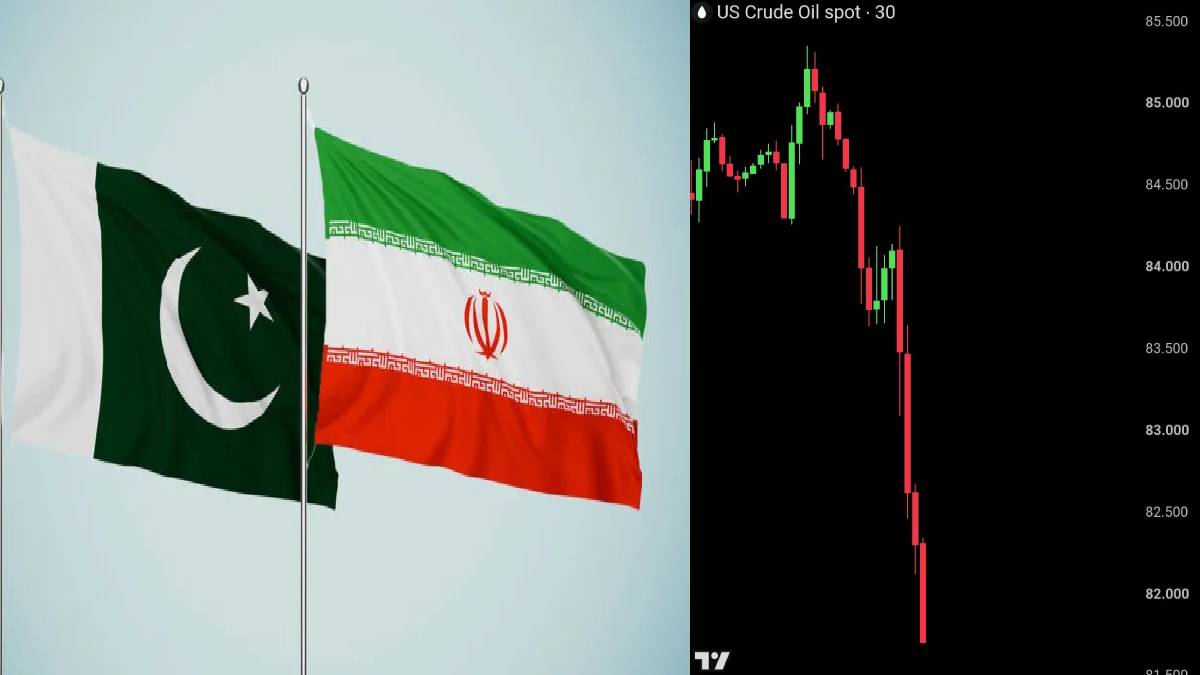
And oil prices were under pressure again on Monday on hopes that diplomacy between Iran and the US would help ease the threat of a disruption to regional energy supplies. WTI crude fell sharply against the dollar and market reports suggested that Western crude prices fell as Pakistan and Iran said talks between them had made “significant progress in terms of the oil price stabilization.”
The development has been eagerly watched by world energy markets because the Iranian conflict has disrupted oil flows through the strategically important Strait of Hormuz. A genuine negotiated settlement would reduce the geopolitical risk premium that has pushed crude prices higher in recent months.
Mohsin Naqvi, Pakistan’s Interior Minister, said the talks with Iranian officials had made progress and that the talks were constructive. The talks were aimed at preventing further escalation, reopening the Strait of Hormuz and finding a negotiated solution to the conflict.
The Strait of Hormuz is critical to global energy markets in that it is a transit route to transport oil and other energy products to global markets. The security situation might allow more tankers through the waterway and alleviate fears that supply lines are running out of supply.
And oil traders respond to the diplomatic developments by reducing some of the geopolitical premium of crude prices. WTI for October delivery fell over 3 percent to around $82.44 and Brent crude fell more than 3 percent to around $89.34, MarketWatch reported.
The decline illustrates how sensitive oil markets have become to news about the Iran-US conflict. And it’s that even signs of a diplomatic breakthrough can quickly alter expectations about future supply.
For consumers and businesses, lower crude prices could indeed lead to reduced energy costs, but the financial impact of lower retail fuel prices depends far more on currency movements, taxes, refining costs and local market conditions.
Why the Iran Talks Matter for Oil.
The latest diplomatic developments are important because Iran has a big influence on energy flows in the Persian Gulf. So far, shipping through the Strait of Hormuz has been curtailed, and that’s putting a hold on the flow of oil.
Reuters reported that oil transits through the Strait were around 5 million barrels per day on Monday, compared to more than 20 million barrels per day before the conflict.
But the global supply outlook will be affected if the reopening of the waterway continues to happen for a long time.
But traders were cautious. The diplomatic progress reported by Pakistan and Iran is not, in the eyes of traders, a good chance of a final settlement between Tehran and Washington. The White House and US State Department did not respond at this point in time to the latest Pakistani-Iranian talks, Reuters said.
That means oil markets could be very volatile as investors react to any new development from the negotiating table.
We will keep track of the oil market signals for more of these.
And the fall is despite new U.S. sanctions targeting individuals, entities and vessels tied to Iran. Investors are far less worried about the prospect of military escalation and more oil flows than they are about the potential impact of the new sanctions on the economy as a whole.
The Wall Street Journal reported that WTI fell about 2.7% to $82.67 in European trading and Brent fell more than 2.5%.
At present, the question for oil traders is whether the diplomatic momentum can translate into concrete steps to reopening the Strait of Hormuz and restoring more normal energy flows.
If negotiations continue to progress, crude will be under more pressure as traders price in the possibility of more supply returning to international markets. If talks fail and military escalation starts at all, the decline could be reversed very quickly.
The situation is therefore closely watched by governments, energy companies, airlines, manufacturers, investors and so on.
WTI’s climb to $82 shows the pace with which geopolitical expectations affect commodities markets. As months of high risk around Iranian oil exports and shipping through the Gulf have raised questions about the likelihood of a diplomatic breakthrough, traders are taking stock of supply as well.
For now, the market will be watching Pakistan’s mediation efforts, Iran’s reaction and any signal from Washington. A sustained agreement would erase the geopolitical risk premium in crude oil, and more tension could push prices up again.
The latest change, of course, is less about the immediate availability of oil and more about what traders will see in the world supply situation in the coming weeks.






Comments
Please to leave a comment on this article.