
Target Corporation (NYSE: TGT) has posted a strong second quarter performance that beat expectations for several key metrics and raised its full-year 2026 financial outlook. The results also serve as another positive signal for the retailer's ongoing turnaround strategy under CEO Michael Fiddelke as customer traffic is up and sales are up.
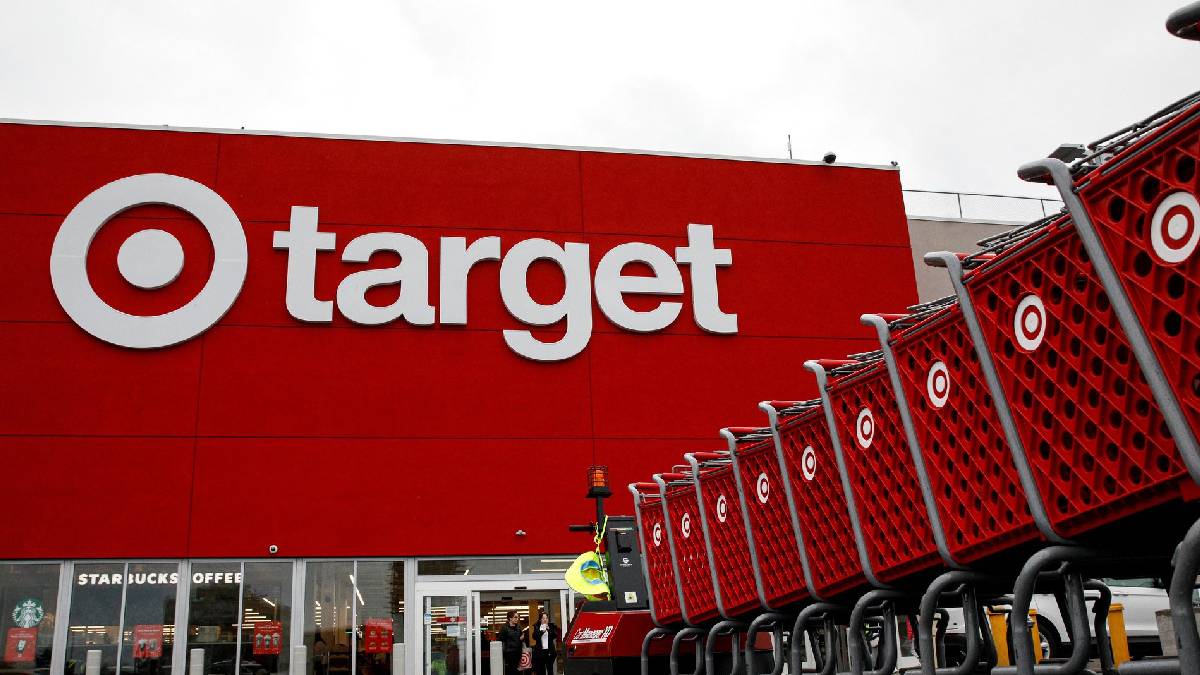
Target reported second-quarter revenue of $26.54 billion, up 5.3 percent from a year ago, and above market expectations. Comparable sales were up 3.8%, another quarter of positive comparable sales and a sign that more customers are returning to Target stores and its digital platforms.
Adjusted earnings per share came in at $4.11, which was twice higher than the expected $2.30 and was 100% year-over-year growth. The performance was also assisted by a tariff refund, which contributed $1.65 per share to the quarter’s earnings.
The strong quarter performance has made Target feel more optimistic about the rest of the year. That led the company to raise its full-year adjusted EPS guidance to $9.90-$10.90, up from $7.50-$8.50.
Target also expects around 5% full-year sales growth, which is up from the original forecast. And operating income should grow by approximately 6%, according to the updated outlook.
The results are a huge turnaround away from Target's troubled performance in recent months. A strategy to improve the sales momentum was the focus of the retailer with merchandising, pricing, store enhancement, digital services and enhanced customer service was also in place.
The company is investing heavily in its merchandising strategy, with new products and brand collaborations to restore Target’s reputation for combining affordability with style and design. Target is also remodeling stores and increasing staffing levels as part of its broader turnaround programme.
Customer traffic is becoming one of the most encouraging aspects of the recovery. Comparable sales increased 3.8% on the whole and physical store comparable sales rose by 2.7% and digital comparable sales by 8.7% in the most recent quarter.
Target’s major merchandising categories grew at a pace. Hardlines— toys and electronics— were particularly strong, and food and beverage sales also benefited from expanded offerings inside stores. Apparel and home categories, however, were still areas where the company said additional improvement was needed.
Target's non-merchandise businesses also contributed to the overall performance. The digital advertising business, membership programme, and Target+ marketplace have been expanded and more revenue streams than retail sales.
The company's leadership has emphasised that the turnaround continues to be a work in progress. Target is investing in stores, products, technology and employees and the sales momentum will need to be maintained whilst profitability is maintained.
The $994 million tariff refund was another factor for the company in the second quarter, since a U.S. Supreme Court decision on tariffs is pending in a court and should be taken into account when evaluating the underlying financial results of the business.
That distinction is also important for investors. While headline EPS growth is quite strong, part of the improvement was a one-time benefit rather than purely from higher operating profits. But the rise of comparable sales and customer traffic indicates that the retailer's underlying business is also showing signs of improvement.
The company is making sure that we are making progress with customers in terms of the customer confidence in our strategy. Management has stressed that you can't give up on disciplined execution at the same time that you have to keep adaptability to the evolving operating environment and you have to invest in things that will help us grow and be profitable and sustainable.
Target’s improved outlook is also significant because the retailer entered 2026 after a difficult period. At the beginning of this year, the company had projected full-year adjusted EPS of $7.50-$8.50 and sales growth of around 2%. And after a 1-3 percent growth in the first quarter, it was now at 3%.
The latest guidance is another significant step upward.
For investors on TGT stock, the big question now is whether Target can sustain the improvement after the boost from the tariff refund fades. Analysts will likely be looking for comparable sales, customer traffic and margins on apparel and home categories and the performance of apparel and home categories in the forthcoming quarter.
The strong earnings report comes just weeks after Target shares had already enjoyed a strong rally in 2026, so expectations for the turnaround are much higher. Market analysts have warned that the recovery might not necessarily progress in a straight line.
But the latest numbers provide Target with a solid foundation for the second half of the fiscal year. Rising sales, traffic and digital growth and higher guidance all point to progress.
Target’s message to investors is therefore growing increasingly confident: its investment in style, design, value, stores, digital capabilities and customer experience is starting to yield tangible results.
The second-quarter report will now be a key marker for the retailer’s future. If Target can sustain positive comparable sales but also profitably grow the business in the long run, without relying too much on the one-off benefits, stockholders will have more evidence that the long-term turnaround at the company is sustainable.
And the headline numbers are strong at the moment: $26.54 billion in revenue, $4.11 adjusted EPS (up 3.8%) and a very strong FY2026 earnings forecast of $9.90-$10.90.






Comments
Please to leave a comment on this article.