
The oil prices fell on Thursday, August 27, as traders weighed signs of easing tensions in the Strait of Hormuz against growing concerns about the potential dangers to Russian energy supplies due to the Russia-Ukraine conflict.
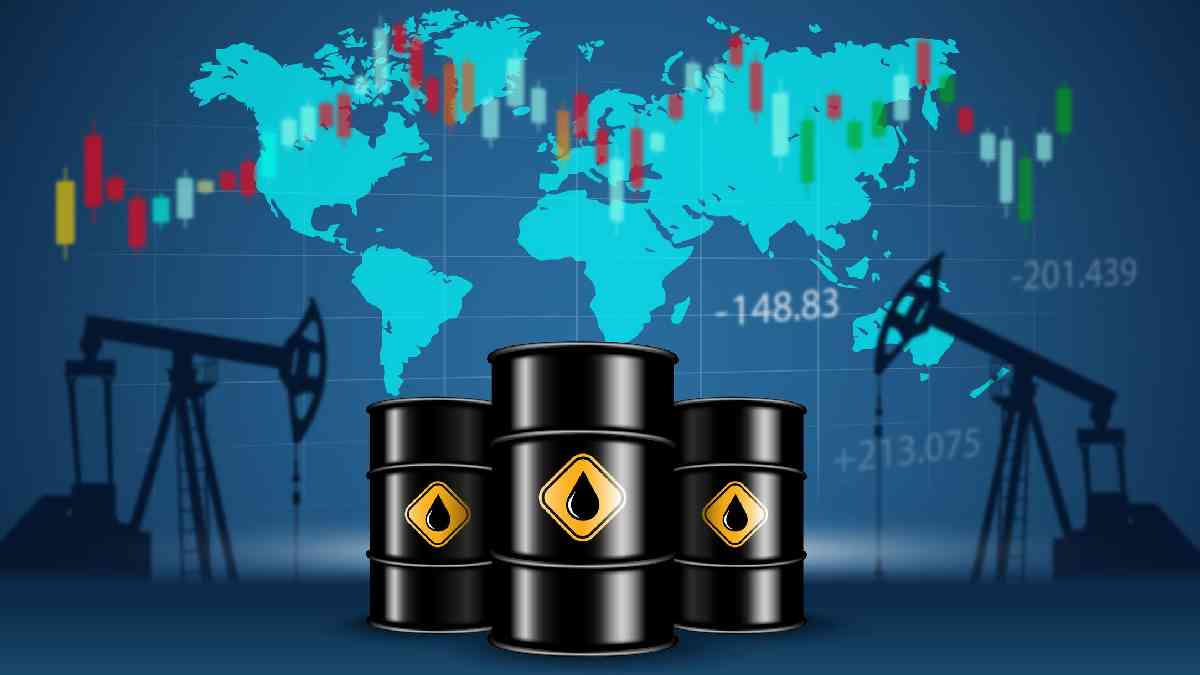
West Texas Intermediate (WTI) fell below $82 a barrel, its weekly fall to around 6%. Brent crude fell below $88 a barrel. The recent moves are a reflection of a very uncertain supply picture for the global oil market, with developments in the Middle East and Eastern Europe still driving the market.
Hormuz Developments Ease Supply Concerns
Crude prices were very volatile during the session. Oil initially rose on news of a possible escalation of the Russia-Ukraine conflict. But gains came to a close as Iran and Oman appeared to make progress in their navigation through the Strait of Hormuz.
Iran’s military also claimed it had reached a revenue-sharing agreement with Oman on the waterway. Although Tehran has warned that the agreement does not mean the Strait would immediately reopen, the development has raised hopes that crude shipments through the key maritime route might gradually improve.
The Strait of Hormuz is one of the world’s most vital energy corridors for oil, and any disruption to shipping through the waterway is a major concern for global oil markets. Signs that navigation may improve have therefore reduced some of the immediate supply-risk premium built into crude prices.
On Tuesday, US President Trump also said that about 10 million barrels of oil exited Hormuz, adding to expectations that energy flows through the region may be recovering.
Saudi Arabia Adapts Export Routes
Meanwhile, satellite imagery has indicated that Saudi Arabia could be increasing oil loadings from within the Persian Gulf.
This indicates that the world’s largest crude exporter might be altering its export operations in response to continuing security concerns. Yemen’s Houthi militants are threatening vessels going through the Red Sea, adding to the uncertainty that has already existed in global energy transport.
Any changes in existing shipping routes could affect delivery times, transportation costs, and availability of crude in international markets. Accordingly, traders are closely monitoring movements in the Persian Gulf and Red Sea.
Russia-Ukraine Conflict Creates Fresh Supply Risks
While easing Hormuz tensions have taken some pressure off the oil market, concerns about Russian energy supplies are moving in the opposite direction.
The escalation of Russia-Ukraine tensions has raised the possibility of further disruptions to Russia's oil infrastructure. Ukrainian attacks on Russian refineries and ports have reportedly affected fuel production and could threaten Moscow's ability to redirect oil to export markets.
Russia is one of the world's largest oil producers, so prolonged disruption to its refining and export infrastructure could tighten the supply of energy worldwide.
This has created a delicate balance for crude markets. On one hand, improved navigation through Hormuz might bring more Middle Eastern energy supplies to international buyers. On the other hand, further attacks on Russian infrastructure could wipe out supply from the global market.
Oil Still Up More Than 40% This Year
Despite the weakness in oil prices this year, crude oil is still significantly higher than it has been for the past six months ago. Oil prices are up more than 40% year-on-year, as supply disruptions and geopolitical risks are still in play due to the six-month conflict in the Persian Gulf.
The latest decline therefore does not necessarily mean that the more general supply problems have disappeared. But the market is responding quickly to every major development affecting global crude flows.
The direction of oil prices in the next few days will depend heavily on the situation around the Strait of Hormuz, the Russia-Ukraine conflict, and whether major producers will continue to export oil at full volume.
With Brent at $88 and WTI below $82, oil has retreated from recent highs. But continuing geopolitical risks are likely to keep volatility high, and energy prices are very sensitive to developments in the Middle East and the Russia-Ukraine conflict.






Comments
Please to leave a comment on this article.