
The Indian automotive industry is now seeing another major leadership change when Parth Jindal is appointed Chairman of JSW MG Motor India and will be at the centre of the company’s strategy going into the next phase of growth.
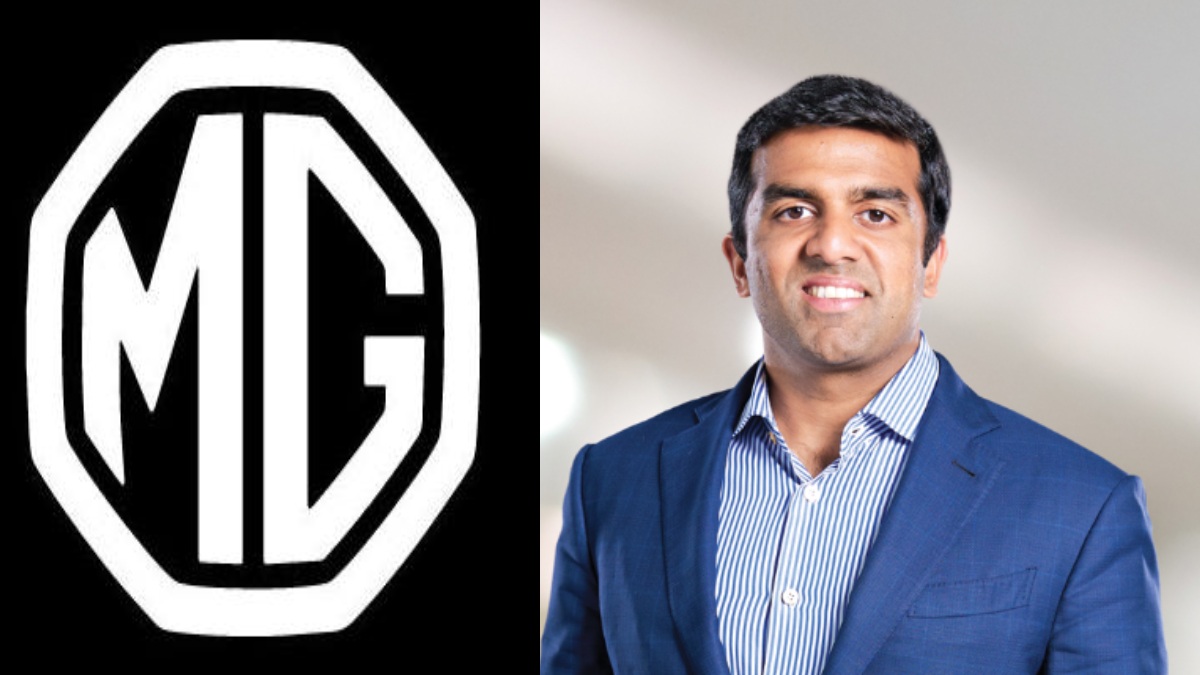
The leadership change comes at a time when India’s electric vehicle market is growing rapidly and automakers are focusing on local manufacturing, technology, supply chains and new-energy mobility solutions.
Jindal's appointment will further strengthen the company's focus on electric mobility and helps to support its wider localisation strategy. JSW MG Motor India, a joint venture of JSW Group and MG Motor, has been working to grow in the passenger vehicle market and that is why it aims to grow. With consumer interest in electric cars increasing, the company will focus on expanding its EV portfolio and building an ecosystem that will be more sustainable.
The appointment is particularly important when it comes to the automobile market in India. Electric vehicles have evolved from a niche segment to an increasingly important part of the country's mobility landscape. Automakers are investing in new products, battery technology, charging infrastructure and manufacturing capabilities as consumers become more familiar with electric mobility.
JSW MG Motor India will be very much part of this strategy. Increasing the contribution of locally manufactured components will create a more sustainable supply chain and less reliance on imported components and that will help the industry to develop in India.
The company has already started to build up the local ecosystem. MG Motor India and JSW Group’s cooperation between MG’s automotive expertise and global technology capability and JSW’s industrial and manufacturing experience in India will help in the investment of production capacity, supply chain and new vehicle technology.
Parth Jindal brings experience from the wider JSW Group ecosystem to his new role. He has been involved in several companies and initiatives associated with the group and in manufacturing, infrastructure, sports and corporate strategy. His appointment at JSW MG Motor India is another important responsibility to his leadership portfolio.
The company's EV ambitions come at a time when competition in India's electric passenger-vehicle segment is becoming more intense. A range of companies from established automobile manufacturers and new vehicle producers are expanding to new market sectors in electric cars. The price of electric vehicles is also more important to consumers: driving range, charging time, technology, safety features and overall ownership costs.
In this era, product strategy will be crucial for JSW MG Motor India. The company will have to offer vehicles that appeal to Indian consumers while balancing technology, affordability and practicality. A wider portfolio of vehicles would allow it to fit different segments of the market as electric mobility becomes more mainstream (and more consumer-centric).
Localisation can also be key in achieving competitive pricing. Battery packs, electronic components, motors and other EV accessories are key components of an electric vehicle’s overall price tag. Strong domestic supply chains could help manufacturers become more cost-effective in the long run and develop India’s automotive manufacturing capabilities.
A third major theme is that charging infrastructure is key. Electric vehicle availability is very much that of a consumer who is comfortable with charging access but the growth of electric vehicles in India is more about charging systems and charging infrastructure. Electric vehicle owners need to connect with charging providers and other ecosystem partners to make the ownership of electric vehicles easy. Easing of the electrically driven cars of JSW MG Motor India is more likely to increase the charging and service ecosystem which will be a big part of the future.
The company’s strategy also aligns with India’s broader push toward cleaner and more sustainable mobility. Government policies have encouraged investment in electric vehicles, battery manufacturing and domestic automotive production. As the transition continues, companies with strong manufacturing capabilities and a clear localisation strategy might be well placed to benefit from rising demand.
For consumers, more competition in the EV segment could offer more choices and automakers might have to bring better technology. Greater localisation could also help to develop India's domestic automotive supply chain in such a way that component manufacturers, technology companies and skilled workers can expand.
Jindal’s appointment is therefore very important for the company. He will help guide the strategic direction of JSW MG Motor India in the fast moving automobile business. MG’s global automotive expertise will be closely integrated with JSW’s industrial capabilities.
In the next 10 years, India’s EV industry will become even more important to be in a position to benefit from the coming years. As battery technology increases, charging networks expand and more people choose electric cars, the industry’s development of products and production will have to go through a lot of research and product development and local production. Companies that can align innovation with affordability will have an advantage in terms of market share and will have greater chances of achieving that.
With Parth Jindal now chairman, JSW MG Motor India will focus more on electric vehicles (EVs) expansion, localisation and sustainable mobility. That new leadership role will not only define its future strategy in India’s rapidly developing electric vehicle market but also help it make the most of that.





Comments
Please to leave a comment on this article.