
India is considering reducing or scrapping its 100% import duty on sugar as it looks to boost domestic supplies and contain prices that have climbed to record levels. The plan is being studied ahead of the festive season when demand for sugar usually surges, people familiar with the matter told Bloomberg.
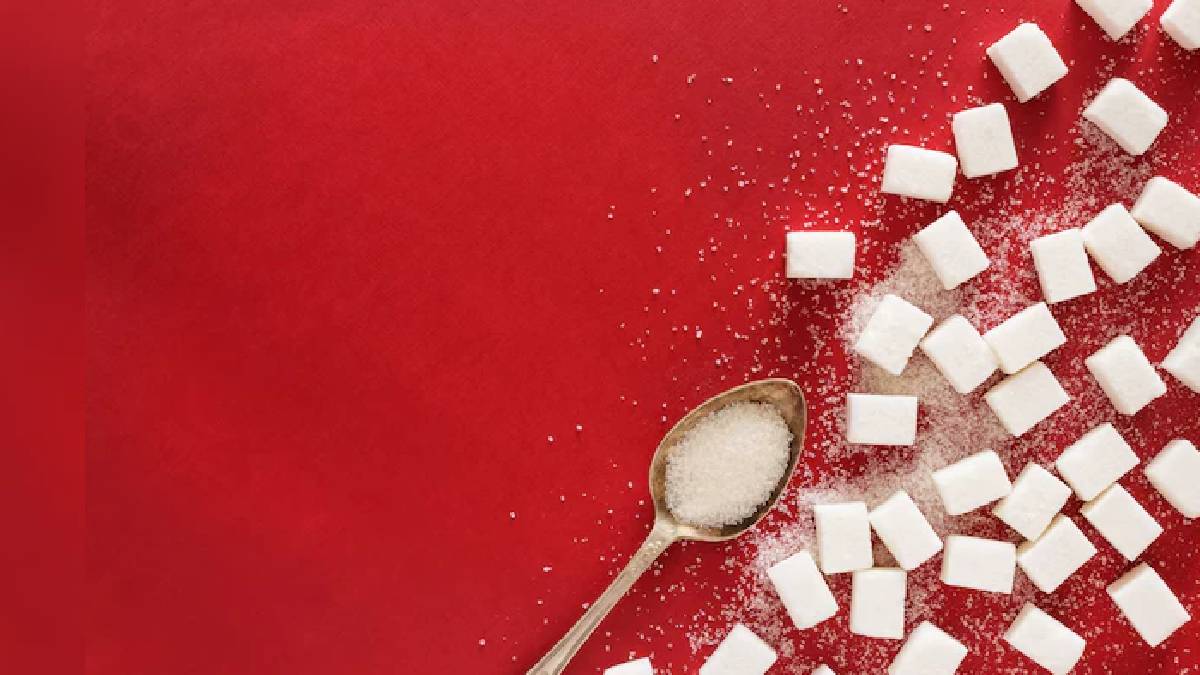
There are different options for them, including lowering the current levy on imported sugar. This move could help to make overseas supplies more competitive in the Indian market and help to bridge any potential gap between domestic availability and consumption.
The issue has become more pressing as sugar prices have continued to rise and fears about the coming sugarcane crop and global supplies have become ever more pressing.
El Niño is also adding to global supply issues
Global sugar markets are also facing supply-related uncertainty. The El Niño weather pattern has raised fears for crops in the most sugar-growing countries in the world. The weather pattern has recently led to a rise in international sugar prices, with New York sugar prices on track to see the highest levels in nearly a year.
India is seeing its own weather challenges. Monsoon rainfall, which is crucial for sugarcane cultivation, was 13% below normal in India, according to the India Meteorological Department. The rainfall deficit had been much wider towards the end of June when it surpassed 40%.
Monsoon conditions have improved since then; however, uneven rainfall remains a concern for farmers and policymakers in view of the country’s sugar production outlook.
Domestic sugar prices are at record levels
The pressure is already visible in the domestic market. Ex-mill sugar prices in Maharashtra, India's leading sugar-producing state, recently reached around ₹46 per kilogram, according to the Indian Sugar and Bio-energy Manufacturers Association (ISMA).
The increase comes at an interesting time for the Indian sugar market. Consumption generally increases from late August to early January as consumers, sweet manufacturers, food processors, and beverage firms prepare for the festive season.
Most festivals in this period typically lead to high demand for sweets and other products with sugar. A continued rise in prices would add to the cost burden on consumers and businesses.
Sugar mills plan earlier crushing
In order to increase local availability of sugar, sugar factories in Uttar Pradesh and Maharashtra are reportedly planning to begin sugarcane crushing earlier than usual.
The crushing season typically starts around early November, but mills are considering starting operations 10 to 15 days earlier after consulting with the food ministry. That would enable sugar supplies to come into the market earlier and may lessen pressure on prices.
The government has also introduced stock limits for traders in an effort to limit the amount of stock traders could accumulate and avoid hoarding from driving up prices of the products.
India could turn to imports
India is the world’s second-largest sugar producer and generally meets most of its domestic consumption through local production. The country has not traditionally relied heavily on imports, with the last substantial sugar imports taking place in 2017-18, according to ISMA data.
But the present combination of high domestic prices, weather uncertainty, and strong seasonal demand has given rise to the possibility of imports.
As of August 14, sugarcane had been planted across about 5.83 million hectares, slightly fewer than the total area covered in the same period of last year, agriculture ministry data show.
If the government reduces or removes the import duty, overseas sugar could become more affordable for Indian buyers. Imports would then provide an additional source of supply during a period when domestic consumption is expected to increase.
What a duty cut could mean?
A reduction in the import duty could have a direct impact on the domestic sugar market by making imported sugar more competitive. More availability would help moderate wholesale and retail prices, particularly during the peak consumption period.
But for sugar mills, increased imports might create more competition and might put pressure on domestic prices. The policy would potentially have different effects on consumers, traders, refiners, sugar mills, and farmers.
The government will have to balance these competing interests and see how domestic sugar production and global prices are going to be as well.
The short term is to avoid a big spike in sugar prices over the festive season. Policymakers will need to evaluate whether India can cope with food inflation while maintaining the interests of its domestic sugar industry.






Comments
Please to leave a comment on this article.