
India is rapidly expanding its energy security strategy from emergency oil stockpiling to a much more holistic policy framework based on domestic production, exploration, natural gas infrastructure, and reducing dependence on imports.
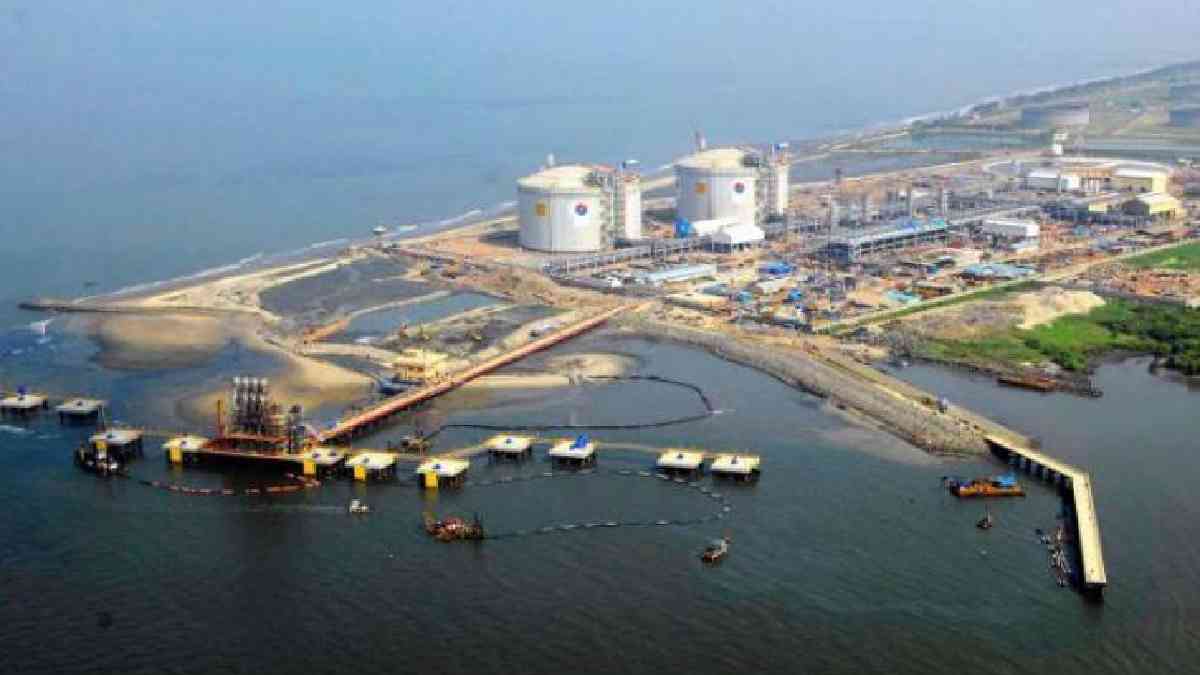
According to Citi, the government’s recent policy measures suggest a multi-pronged energy security agenda that includes strategic petroleum reserves, domestic oil and gas production, deepwater exploration, gas adoption and pipeline infrastructure. This approach in general would have a strong effect on Indian state-owned energy companies, especially ONGC, and will help the country to meet the growing demand for energy.
India intends to expand Strategic Oil Reserves
One of the main components of the strategy is the expansion of India’s strategic petroleum reserve capacity. The country already has strategic oil stocks to buffer against major supply disruptions.
The Indian government is also considering how to develop a third strategic petroleum reserve, which could also strengthen India’s defense against global oil market volatility and geopolitical disruption in such events and help to improve India’s security against global oil market volatility and geopolitical instability.
Citi said that ONGC has been directed to develop a 1.75 million tonne strategic oil reserve, with an estimated investment of around Rs 150 billion. This would help in increasing capital deployment by the state-run oil and gas producer and contribute towards India’s long-term energy resilience.
Strategic reserves are critical for India because the country is still heavily dependent on imported crude oil. Any prolonged disruption in international supplies or steep increase in crude prices can put pressure on the country’s trade balance, inflation and energy costs.
Focus Shifts Toward Domestic Production
The government’s approach is not limited to storing imported crude. Increasing domestic oil and gas production is also a part of the plan.
India is trying to accelerate exploration and production in these challenging offshore and deepwater areas. Exploration incentives could be expanded to encourage companies to invest in projects and technology.
The Samudra Manthan scheme is part of this wider initiative. The initiative is designed to support and incentivize exploration and production activities and ultimately unlock additional domestic hydrocarbon resources.
For ONGC, increased exploration activity would translate into more capital expenditure and greater opportunities to expand domestic production in the medium to long term.
Natural Gas Gets Greater Policy Attention
Natural gas is another major component of India's evolving energy strategy. The government is looking for more LNG generation capacity and is also trying to increase gas availability and consumption.
The policy push also includes support for coal gasification, which can help to diversify India's domestic energy sources. At the same time, measures to accelerate city gas projects are expected to support the expansion of gas distribution networks.
Pipeline infrastructure will also play a critical role. As more LNG terminals, pipelines and city gas networks are built, India could strengthen connections between imported gas supplies, domestic production centers and end consumers.
Citi also expects companies like Indian Oil Corporation, Bharat Petroleum and GAIL to be able to benefit from increased investment in gas infrastructure and pipeline expansion.
LPG Economics Remain a Key Monitor
The energy policy push comes amid continuing pressure in the LPG segment. Citi said India's cumulative LPG under-recoveries had crossed Rs 590 billion as of July 2026.
Under-recoveries can put pressure on oil marketing companies when the cost of providing LPG rises faster than the prices charged to consumers. As such, inventory policies, international energy prices and government support mechanisms remain important for companies operating in the downstream oil and gas market.
The development of additional strategic reserves can, therefore, be a major policy tool at present times of global supply uncertainty.
Potential Impact on Oil and Gas Stocks
The government’s increased energy security agenda could create different opportunities for India’s oil and gas industry.
ONGC would see more incremental capital deployment because of investments in strategic reserves, exploration and domestic production. More exploration support could also lead to long-term production growth.
Meanwhile, IOC, BPCL and GAIL could benefit from expansion in gas infrastructure, LNG capacity and pipeline networks. But the financial effect on individual companies will depend on capital expenditure requests, government policies, commodity prices and project execution.
Energy Security Becomes a Long-Term Strategy
India’s new policy direction suggests that energy security is increasingly being taken into account as a long-term economic and strategic priority and not just a temporary supply disruption to the environment in the short term.
The combination of strategic petroleum reserves, domestic exploration, deepwater production, LNG infrastructure, gas pipelines and city gas expansion could help India diversify its energy supply base.
The strategy is also in line with the nation’s overall goal of reducing dependency on imported energy and meeting the increased demand for fuel and electricity.
As global oil and gas markets are still under threat from geopolitical instability, supply disruption and price volatility, developing domestic production and infrastructure would give India greater flexibility.
For investors, the policy shift could make capital expenditure trends, exploration activity, LNG capacity additions and government support for oil marketing companies important factors to monitor across the Indian energy sector.
Citi’s assessment indicates India’s energy security efforts are becoming more comprehensive. So rather than just depending on emergency oil reserves and stockpiling, the government is creating a wider framework that is based on stockpiling and domestic production, exploration and gas adoption, and infrastructure development to make the country’s energy resilience more robust.






Comments
Please to leave a comment on this article.