
International trade is now a core part of business and companies can sell products from overseas markets or deliver products locally to customers all over the world. Both import and export businesses are good for entrepreneurs but the two are not the same and they are not risk free.
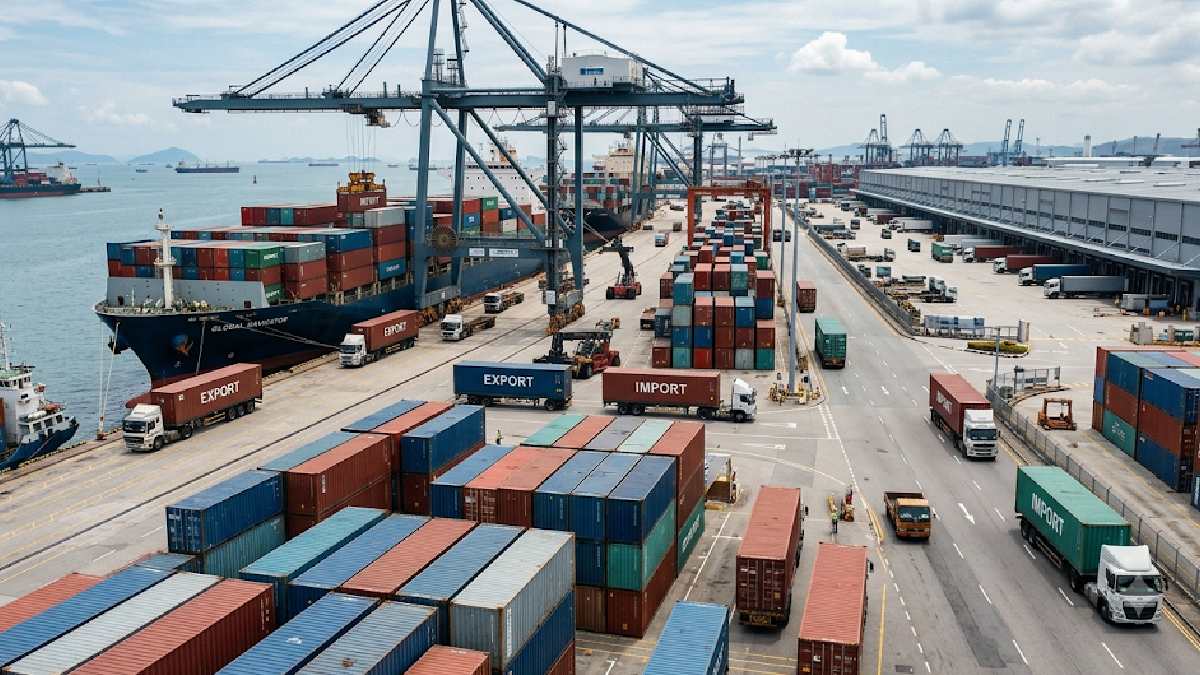
An import business brings products, raw materials or equipment from another country to the domestic market. Importers find products that have great demand locally but are cheaper, better quality or unavailable domestically. Electronics, machinery, specialty foods, textiles and industrial components are just a few of the products that can be imported.
Importing is the biggest benefit to businesses products and suppliers that are not available in the domestic market. In the case of imported goods, companies can benefit from cheaper manufacturing costs in other countries and sell their product at competitive prices. But there are customs duties, shipping costs, currency fluctuations, taxes, product regulations and possible delays at ports.
On the other hand, an exporter e.g., a company sells products produced or sourced in the home country to customers or businesses in foreign countries would sell products produced or imported in the country.
Exporters can benefit from international demand and grow their international customers and their domestic market. For example, Indian companies can sell products from textiles, handicrafts to pharmaceuticals to agricultural goods, processed foods, engineering products and software services.
Exporting can help businesses access bigger markets and an opportunity to get foreign currency. We also need to know international customer preferences, quality standards, packaging requirements, shipping procedures and regulations in the destination country.
One of the big differences between the two models is market direction. Importers ship goods into their country, while exporters send them outside the country. Their financial risk is also very different.
Importers may find goods in foreign markets rising in price and shipping expenses and exchange rates fluctuating while exporters have to deal with overseas demand and payment risks and changing international regulations.
For beginners, the right choice depends on the capital and knowledge of product, supplier or buyer networks and understanding of international trade. Entrepreneurs need to conduct market research before investing money in either model.
Technology has also made international trade more accessible to smaller businesses. Online marketplaces, digital payment systems, logistics companies and business networking platforms can help entrepreneurs connect with suppliers and customers across borders.
Ultimately, neither import nor export is automatically better. The stronger opportunity depends on the product, target market, competition and business strategy. When entrepreneurs are very strategic when pricing, costs, regulations and logistics are considered, they can create a sustainable international trading business.






Comments
Please to leave a comment on this article.