
India is facing that difficult question as its economy expands: How can it get more tax from its wealthiest citizens without motivating them to move their money, businesses or themselves abroad?
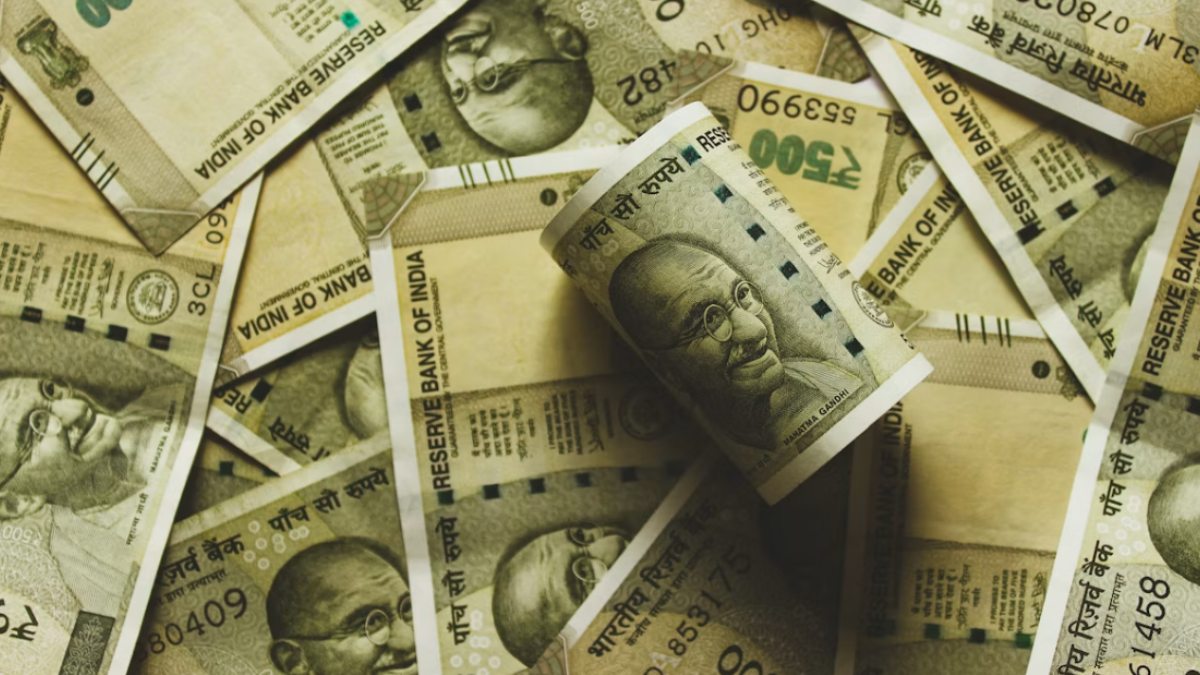
High-net-worth individuals (HNWIs) have huge financial assets and often have businesses, investments and property across countries. They can contribute much beyond the taxes they pay themselves. They can create jobs, invest in business and support entrepreneurship.
At the same time, governments around the world are looking at ways to make wealthy individuals contribute more towards public finances.
India’s challenge is finding the right balance. Taxing wealth more aggressively could increase government revenue, but policies that are seen as excessive or unpredictable may also spur some wealthy Indians to consider other countries.
Who are HNWIs?
HNWIs are generally people who have substantial investable assets. Different financial institutions use different thresholds to define the category, so there is no single universal definition.
Those who can have successful entrepreneurs, business owners, investors, professionals and people who have inherited wealth.
India has seen high numbers of rich people these years. The country’s expanding economy and technology sector, start-up ecosystem and higher asset values have also contributed to high levels of wealth for people.
With that growing wealthy population comes India's opportunity.
If this wealth is kept in the country to support businesses, to create jobs and to drive economic growth, India will gain. If rich people shift residence or investments abroad, India will lose some of these benefits.
Why taxation of wealth is complicated and complex?
At first glance, it may seem easy to tax the wealthy more.
People with a higher financial base could more effectively contribute to public services and infrastructure. Governments can use more revenue for healthcare, education, transport and social welfare.
The problem only becomes more acute in the case of wealthy individuals who are able to move their money or residency.
Financial assets can easily cross borders, as opposed to physical infrastructure. Investments can be conducted through different jurisdictions, and rich people may set up businesses or become tax residents of other jurisdictions.
This creates a policy dilemma.
If taxes become significantly higher in one country and another country has a more attractive tax environment, some people might consider where they live or where they hold their investments.
But not all wealthy people will leave because of taxes. Many variables are involved in residency decision making, including business opportunities, education, family, quality of life and political and economic stability.
Still, taxation can be a big part of the decision.
Wealth Migration Is already A Global Issue?
The movement of wealthy people between countries is not unique to India.
Some of the other countries compete to attract wealthy residents with good tax systems, business-friendly regulations and residency programs.
The United Arab Emirates, Singapore and Switzerland have established themselves as great global investors and wealthy people.
For India, this creates competition.
India wants rich people to contribute to the country’s economy but it also has to be attractive enough for entrepreneurs and investors to keep up with the work of new businesses within the country.
The issue is even more important as Indian companies expand internationally and Indian entrepreneurs become increasingly global.
A rich business owner might have operations in several countries and remain close to India in personal and financial terms.
And so a traditional notion of taxing one based on where one lives becomes more complex.
The Bigger Question Is Productive Wealth
The debate should not have to be whether the rich Indians should pay more taxes. For us, the larger question is what kind of wealth we want the government to encourage.
There is a difference between taxing accumulated wealth and taxing the economic activity that generates that wealth.
A company with hundreds of employees and deep investment in India, an entrepreneur who builds a company, employs thousands of people and heavily invests in India, is an economic driver.
If taxation is too complex or unpredictable, it might deter entrepreneurs from investing in India (with the possibility to grow their own businesses).
On the other hand, a well-designed tax system can ensure that wealthy people contribute fairly without making productive investment unattractive.
This is where policy design comes in very important.
India requires a predictable tax environment.
The tax rate is only one factor for wealthy persons and businesses. Predictability matters too.
Investors want to know what their tax obligations will look like over the long term. Frequent changes, complicated rules or uncertainty around future liabilities can make financial planning more difficult.
A transparent tax system is then more attractive than a lower tax rate.
India has made great progress in improving tax administration and increasing digital compliance. Nevertheless, the country still faces the challenge of simplifying its tax system while ensuring that high-income individuals contribute appropriately.
The aim is to create a system in which people don’t feel that moving abroad is necessarily necessary to do the business of their lives.
What India Could Focus On?
Instead of just focusing on the way taxes are increased but rather on the way we tax those who do not have more income, policymakers could try to find a better solution.
At first, India could simplify tax rules for the rich and businesses.
Second, stronger systems to detect tax avoidance can help to ensure that people pay what they legally owe without unnecessarily increasing the burden on compliant taxpayers.
The third is that wealthy residents might invest more in domestic businesses, infrastructure, and start-ups.
Finally, the government could create an environment where entrepreneurs want to stay in India because India has very good business opportunities and leaving is hard economically.
Such a strategy would help India to get more revenue and keep capital in the economy.
HNWIs And India’s Growth.
Moreover, the contribution of wealthy people is much more than their tax payments.
Entrepreneurs can create companies and jobs. Investors can provide capital to growing businesses. Wealthy people can also contribute to philanthropy and support sectors such as education, healthcare and research.
The loss of a wealthy person may even sometimes have an economic impact greater than the loss of one taxpayer.
But this is not an argument for giving rich people unlimited tax advantages.
As an economy, a tax system that is fair to everybody in various income groups and still encourages investment and entrepreneurship is needed.
Where is that middle ground?
Tax The Wealth But Keep The Wealth Productive
India’s ballooning wealth is a sign of economic progress. But it also presents a new policy problem.
The government needs revenue to fund public services and development, and wealthy citizens have a crucial role in that system.
At the same time, India should prevent the creation of a situation where productive entrepreneurs and investors feel that moving their wealth or residency elsewhere is easier.
So, the goal should not simply be "tax the rich more."
It should be to tax fairly, simplify the system and make staying in India economically attractive. If India can find that balance, it will also gain from tax revenues and will benefit from continuous domestic investment.
The real issue is not whether the tax on wealth is to be imposed or whether it is a good idea to keep wealthy people. It is designing a system that can do both.






Comments
Please to leave a comment on this article.